
Managing diabetes in dogs requires a team effort between you and your veterinarian. Here are the most important things to remember to keep your dog healthy and happy.
Key Takeaways
- Watch for signs like increased thirst, frequent urination, and weight loss, and see your vet if you notice them.
- Work with your vet to create a personalized treatment plan, including medication and insulin if needed.
- Feed your dog a consistent diet at the same times each day, and choose foods recommended by your vet.
- Regular exercise is important, but always monitor your dog during activity to prevent low blood sugar.
- Regularly monitor your dog’s blood sugar at home and share the results with your veterinarian.
Recognizing The Signs of Diabetes in Dogs

Common Indicators of Canine Diabetes
Spotting diabetes in your dog early can make a huge difference in their health and well-being. It’s not always obvious at first, but there are some key things to watch out for. The most common signs often revolve around changes in thirst and urination. Your dog might suddenly start drinking way more water than usual, and consequently, they’ll need to pee a lot more frequently. You might find yourself taking them out more often, or perhaps they’re having accidents inside, which is unusual for them. Beyond that, keep an eye on their appetite. Some diabetic dogs get ravenous, always begging for more food, yet they might be losing weight. This combination of increased hunger and weight loss is a big red flag. You might also notice they seem more tired than usual, less interested in playing, or prone to getting infections, like skin or urinary tract issues, that just don’t seem to clear up easily. These symptoms can sneak up on you, so paying attention to your dog’s daily habits is really important.
When to Seek Veterinary Attention
If you’re noticing any of the signs we just talked about, it’s time to call your vet. Don’t wait too long, especially if the symptoms are becoming more pronounced. Excessive thirst and frequent urination are often the first things owners pick up on, but the weight loss despite a good appetite is also a major concern. Recurrent infections that don’t resolve with typical treatments are another reason to get professional advice. It’s better to be safe than sorry when it comes to your dog’s health. Your vet can perform simple tests to check for diabetes and get you on the right track. Early diagnosis is key to managing the condition effectively and helping your dog live a happy, comfortable life. You can find more information about common indicators of canine diabetes on veterinary sites.
It’s easy to dismiss some of these changes as just ‘getting older’ or a temporary phase, but when multiple symptoms appear together, it’s a strong signal that something more serious might be going on. Think of it like this: if your car started making a weird noise, you wouldn’t ignore it forever, right? You’d get it checked out. Your dog’s health deserves that same level of attention. A quick visit to the vet can rule out diabetes or confirm it, allowing for prompt treatment and preventing more serious complications down the line.
Veterinary Diagnosis and Initial Management
The Role of Regular Veterinary Check-ups
Regular vet visits are super important, even if your dog seems perfectly healthy. These check-ups are your best chance to catch things early. Your vet can spot subtle changes that you might miss at home. They’ll do a physical exam, ask about your dog’s behavior and habits, and might even suggest routine blood work. This proactive approach is key to catching conditions like diabetes before they become serious problems. Think of it as a tune-up for your furry friend.
Developing a Personalized Treatment Plan
Once diabetes is diagnosed, your vet will work with you to create a plan tailored specifically for your dog. This isn’t a one-size-fits-all situation. The plan will consider your dog’s age, breed, overall health, and the severity of their diabetes. It’s a team effort between you and your vet to manage this condition effectively. This plan will be your roadmap for keeping your dog healthy and happy.
Understanding Medications and Insulin Therapy
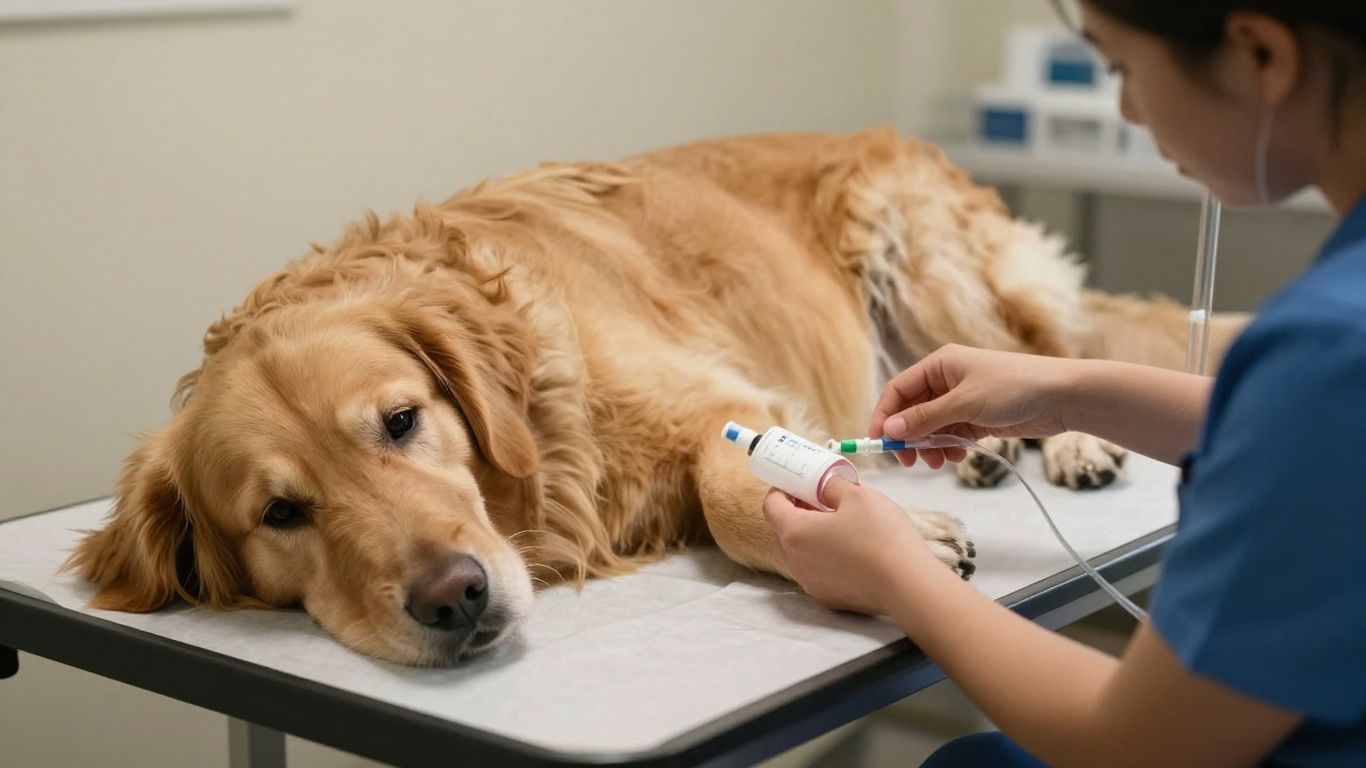
Insulin therapy is often the cornerstone of diabetes management in dogs. It might sound scary, but most owners get the hang of it pretty quickly. Your vet will show you exactly how to administer insulin injections, usually twice a day. They’ll also explain the different types of insulin and syringes available. It’s all about consistency and following the prescribed dosage. Remember, a consistent routine is vital for regulating blood sugar levels.
Managing diabetes requires a commitment to routine. Sticking to scheduled feeding times, medication administration, and exercise is non-negotiable for maintaining stable blood glucose levels. Your veterinarian is your primary resource for guidance and support throughout this process.
Here’s a quick look at what goes into a typical treatment plan:
- Blood Glucose Monitoring: Regular checks to see how well the treatment is working.
- Insulin Therapy: Administering insulin as prescribed by your vet.
- Dietary Adjustments: Feeding a specialized diet to help manage blood sugar.
- Exercise Routine: Consistent physical activity is beneficial.
- Regular Vet Visits: Follow-up appointments to monitor progress and make adjustments.
Dietary Strategies for Diabetic Dogs
When your dog is diagnosed with diabetes, their diet becomes a really important part of managing their health. It’s not just about what they eat, but also when and how much. Getting this right can make a big difference in keeping their blood sugar levels stable and their tail wagging.
Establishing a Consistent Feeding Schedule
One of the first things to focus on is routine. Dogs with diabetes do best when they eat at the same times every day. This helps their body anticipate food and manage glucose more predictably. Most vets recommend feeding your dog twice a day, and it’s often suggested to feed them shortly after their insulin injection. This timing helps prevent blood sugar spikes and dips.
- Feed at the same times daily.
- Consider feeding after insulin administration.
- Avoid free-feeding (leaving food out all day).
- Stick to the recommended portion sizes.
Specialized Diets for Canine Diabetes
Your veterinarian will likely recommend a specific diet for your diabetic dog. These diets are formulated to help manage blood glucose. They often contain complex carbohydrates and a good amount of fiber, which helps slow down the absorption of sugar into the bloodstream. This means fewer sharp spikes after meals. Some dogs might do well on prescription diabetic dog food, while others might benefit from a diet high in protein and fiber. It’s really about finding what works best for your individual dog’s needs. You can explore different commercial foods high in protein and fiber or discuss vet-supervised homemade diets with your vet.
Limiting Treats and Sugary Foods
This can be tough, especially if your dog is used to getting lots of goodies. However, treats and table scraps can cause significant fluctuations in blood sugar levels, making diabetes management much harder. It’s best to avoid sugary treats altogether. If you want to give your dog a treat, opt for something approved by your vet, like a small piece of a diabetic-friendly biscuit or a bit of cooked, plain meat. Always check with your vet before introducing any new treats, even seemingly healthy ones. Remember, consistency is key, and straying from the plan can have consequences.
Managing your dog’s diet is a team effort between you and your veterinarian. Don’t hesitate to ask questions or express concerns about their food and feeding routine. A well-managed diet is a cornerstone of a happy, healthy life for your diabetic companion.
The Importance of Exercise for Diabetic Dogs
Getting your dog moving is a big part of managing diabetes, right alongside diet and medication. Regular physical activity helps your dog’s body use insulin more effectively, which can lead to more stable blood sugar levels. Think of it as helping their system work a little smoother. Consistent exercise can make a real difference in how well your dog’s diabetes is controlled.
Incorporating Regular Physical Activity
When you have a diabetic dog, you’ll want to build exercise into their daily routine. This doesn’t mean you need to sign them up for a marathon, but consistent, moderate activity is key. Here are some ideas:
- Daily Walks: Aim for at least two walks a day, keeping the pace and duration similar each time. This predictability helps your vet fine-tune insulin dosages.
- Playtime: Short bursts of play, like fetch in the yard or indoor games, can also be beneficial. Just be mindful of your dog’s energy levels.
- Swimming: If your dog enjoys water, swimming is a fantastic low-impact exercise that’s easy on the joints.
It’s really about finding activities your dog enjoys and can do safely. Remember, any physical activity can help lower blood glucose levels for a period afterward, sometimes up to two hours post-exercise [8a83].
Monitoring During Exercise for Safety
While exercise is great, it’s super important to keep a close eye on your dog while they’re active. Too much activity, especially if it’s unexpected or more intense than usual, can cause blood sugar to drop too low. This is called hypoglycemia, and it can be dangerous. Always be prepared.
Always have a "hypo kit" with you when you take your diabetic dog out for exercise. This kit should include a fast-acting sugar source, like glucose gel or honey, in case their blood sugar drops suddenly. Knowing what to do in an emergency is just as important as the exercise itself.
Watch for signs like weakness, confusion, wobbliness, or even seizures, which can indicate low blood sugar. If you notice any of these, stop the activity immediately and give them a sugar source. It’s also a good idea to discuss your dog’s exercise plan with your veterinarian. They can help you figure out the right amount and type of activity for your specific dog, taking into account their overall health and diabetes management plan. You can find more information on managing these situations by talking to your vet about hypoglycemia management.
Monitoring Blood Glucose Levels

Keeping a close eye on your dog’s blood glucose is a big part of managing their diabetes. It’s not just about giving insulin; it’s about seeing how that insulin and everything else you’re doing is affecting their sugar levels. This helps you and your vet make sure the treatment plan is working well and catch any problems before they get serious.
Exploring Continuous Glucose Monitoring Options
For a really detailed picture, you might consider continuous glucose monitoring (CGM) systems. These devices use a small sensor inserted under the skin to track glucose levels throughout the day and night. It’s a more advanced way to see trends and how things like meals, exercise, or even stress impact your dog’s sugar. Talk to your veterinarian to see if this technology is a good fit for your dog’s specific needs and if it’s accessible for you.
At-Home Glucose Testing Methods
Most pet parents will be doing some form of at-home testing. The most common method involves using a handheld glucometer, similar to what people use. You’ll need to prick your dog’s ear or paw for a tiny blood sample. It sounds scarier than it is, and most dogs get used to it pretty quickly. The goal is to keep your dog’s blood glucose levels generally between 100–250 mg/dL for most of the day. This helps ensure they feel good and avoid complications.
Here’s a basic rundown of how at-home testing usually works:
- Gather your supplies: You’ll need the glucometer, test strips, a lancing device, and some clean wipes.
- Prepare your dog: Gently lift their ear flap or choose a spot on their paw. Some people find a little warm water helps.
- Get a blood sample: Use the lancing device to make a small prick. Squeeze gently to get a tiny drop of blood.
- Test the sample: Touch the drop of blood to the test strip inserted into the glucometer.
- Record the result: Note down the number and the time of day.
Regular monitoring at home gives you and your vet a clearer picture of how your dog’s diabetes is being managed day-to-day. It allows for quicker adjustments to their treatment plan if needed.
Sharing Test Results with Your Veterinarian
Don’t just keep those numbers to yourself! Bringing your recorded glucose readings to your vet appointments is super important. It gives them the real-world data they need to assess how well the current treatment is working. They can spot patterns you might miss and make informed decisions about adjusting insulin dosage, diet, or exercise. This teamwork is key to keeping your diabetic dog healthy and happy. You might also want to discuss other biomarkers with your vet, like glycated albumin (GA), which can give a longer-term view of glucose control [fd31].
Living Well with Diabetes in Dogs
Seeking Support from Pet Owner Communities
Dealing with a dog’s diabetes diagnosis can feel overwhelming at first, but you’re definitely not alone. Connecting with other pet parents who are going through similar experiences can make a huge difference. These communities, whether they’re online forums or local meetups, are fantastic places to share tips, ask questions, and just vent when you need to. You’ll find people who truly understand the daily ups and downs of managing canine diabetes, from figuring out insulin doses to dealing with picky eaters. Sharing your journey can provide immense emotional support and practical advice. It’s a great way to learn what works for others and to feel less isolated.
Staying Informed About Diabetes Management
Keeping up with the latest information on canine diabetes is key to providing the best care for your furry friend. Things can change, and new research or management techniques might become available. It’s a good idea to regularly check in with your veterinarian for updates and to discuss any new developments. You can also find reliable information from veterinary organizations and reputable pet health websites. Staying educated helps you feel more confident in managing your dog’s condition and making informed decisions about their health. Remember, a well-informed owner is a powerful advocate for their pet.
Managing diabetes in dogs is a marathon, not a sprint. It requires ongoing attention, patience, and a willingness to adapt. By staying connected with your vet and fellow owners, and by continuously learning, you can help your dog live a happy and fulfilling life despite their diagnosis. It’s all about teamwork and consistent effort.
Conclusion
Dealing with diabetes in your dog might seem overwhelming at first, but it’s definitely manageable. By understanding the signs, working closely with your vet, and sticking to a plan that includes diet, exercise, and regular checks, you can help your furry friend live a happy and healthy life. Remember, you’re not alone; there are many resources and communities out there to support you and your dog on this journey.
Frequently Asked Questions
What are the main signs that my dog might have diabetes?
Keep an eye out for things like your dog drinking way more water than usual and needing to pee a lot. You might also notice they’re losing weight even though they seem to be eating a lot, or they might seem more tired than normal. Sometimes, they get more infections too. If you see these changes, it’s a good idea to talk to your vet.
How do vets figure out if my dog has diabetes?
Your vet will likely do a few tests, including checking your dog’s blood and urine. These tests can show if there’s too much sugar in their body, which is a big clue for diabetes. They’ll also ask about your dog’s symptoms and health history.
What kind of food is best for a dog with diabetes?
Dogs with diabetes usually do best on special diets that help keep their blood sugar steady. Your vet will recommend the best food for your dog, but generally, it means feeding them the same amount at the same times every day. It’s also important to limit sugary treats or foods with lots of simple carbs.
Do I have to give my dog insulin shots?
For many dogs with diabetes, insulin injections are a necessary part of their treatment. It sounds scary, but most owners get used to it pretty quickly. Your vet will show you exactly how to give the shots, how much to give, and when, making it a manageable part of your dog’s care.
How much exercise does a diabetic dog need?
Exercise is really important for dogs with diabetes because it helps their bodies use sugar better. Aim for regular, moderate activity like daily walks. It’s best to keep the exercise routine consistent. Always watch your dog during exercise to make sure they aren’t getting too tired or showing signs of low blood sugar.
Can I test my dog’s blood sugar at home?
Yes, you can! Your vet can show you how to use a special meter to check your dog’s blood sugar levels at home. This helps you see how well the treatment plan is working and lets you share important information with your vet so they can adjust things if needed. It gives you a hands-on way to be involved in your dog’s health.




Leave a Reply