
Key Takeaways
Facing a diagnosis of cancer in your pet can be overwhelming, yet there are many ways to support their quality of life.
- Regular physical exams at home help you catch abnormalities early when they are most treatable.
- Specialized veterinary oncology allows for advanced diagnostics and tailored care plans.
- Treatments like surgery and focused therapy are designed to minimize discomfort for the animal.
- Financial planning and exploring support networks can help manage the cost of ongoing veterinary needs.
- Consistent lifestyle management, including nutrition and comfort, remains vital for long-term health.
Early signs and symptoms of cancer in dogs
Identifying unusual lumps and bumps
Regularly palpating your dog during grooming sessions is essential for early detection. Many owners often find small masses that turn out to be benign, but any new growth should be documented. While common in older pets, checking for changes in size or firmness is a proactive approach to care that can lead to better outcomes when managing canine cancer uk.
Changes in appetite and body weight
Sudden shifts in how your dog eats or unexplained weight loss are frequent indicators that warrant a vet visit. It is not uncommon for owners to overlook these changes if the dog seems energetic otherwise. Identifying these signs early enables a more precise diagnosis before a condition progresses.
Behavioral shifts and lethargy
Dogs are masters at hiding discomfort, but subtle changes in personality often provide clues. Increased resting, a lack of interest in play, or unusual irritability can be symptoms of underlying health issues. If you notice your pet is not acting like their typical self for several days, it is best to consult your veterinarian.
Monitoring persistent coughs or lameness
While a cough can stem from a simple respiratory infection, a chronic cough that does not subside demands clinical evaluation. Similarly, unexplained limping without a clear history of injury may indicate bone-related issues. Taking these symptoms seriously early on ensures your veterinarian can perform a thorough examination to rule out or identify serious causes.
Diagnostic procedures for canine cancer

Clinical examinations by UK veterinarians
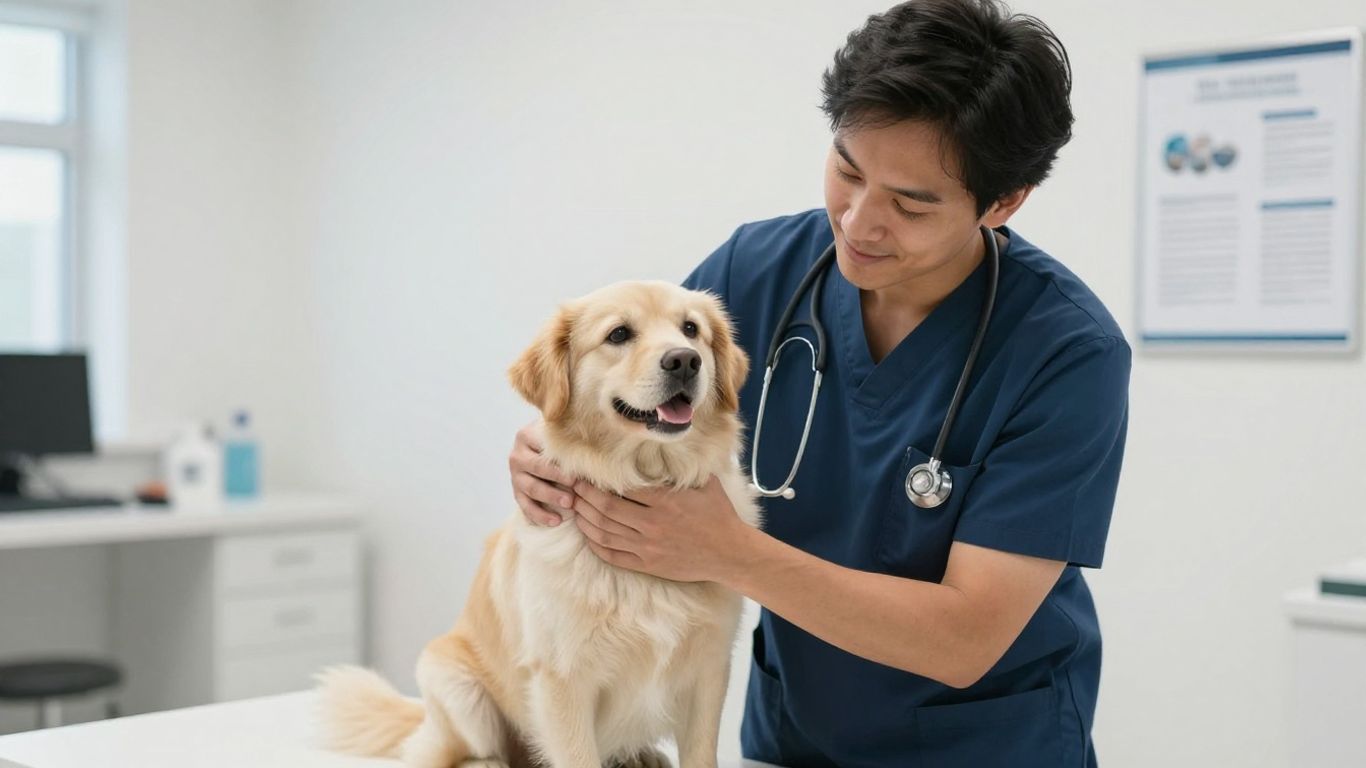
Your first point of contact is usually a local veterinary practice where a physical evaluation occurs. The process begins with a look at the history of the symptoms and a careful palpation of the body. If the vet suspects an issue, they will guide you toward further testing to determine the nature of the condition.
The role of diagnostic imaging and biopsies
Once a physical exam suggests potential pathology, imaging or sampling is the next step. X-rays, ultrasound, or CT scans help identify the internal extent of a mass, while a biopsy provides the cellular definition needed for targeted therapy. These methods are common when exploring canine cancer information to understand tumor types.
Blood tests and laboratory analysis
Lab work is critical for assessing organ function and blood cell counts. These tests often provide the context needed to assess if a dog is fit for potentially stressful treatments. The National Canine Cancer Foundation provides resources that help owners understand why these specific tests are required during the investigation phase.
When to seek a referral to a specialist oncology practice
If your local clinic confirms a significant diagnosis, they will likely suggest a specialist. Oncology practices offer advanced equipment and dedicated teams that focus solely on managing malignancy. Relying on their expertise ensures you are informed about the most effective protocols versus palliative options.
Available cancer treatments in the UK

Surgical intervention options
Surgery is often the primary treatment for solid tumors that have not yet spread extensively. The outcome often depends on the type of tumor and whether it can be completely excised. For those managing pet wellbeing, surgery provides a definitive way to remove the source of the cancer.
Chemotherapy protocols and potential side effects
Chemotherapy in veterinary settings usually prioritizes the dog’s quality of life over the aggressive dosing seen in human medicine. While some side effects may occur, many dogs tolerate these treatments surprisingly well. Owners should discuss the specific drugs and monitoring schedules with their oncologist.
Radiation therapy availability for pets
Radiation is used to target masses that cannot be safely operated on or to reduce the risk of recurrence. It requires specialized facilities that are increasingly available in dedicated referral centers across the country. Understanding the treatment pathway requires working closely with your specialist to determine if radiation suits your dog’s specific case.
Palliative and supportive care approaches
When curative treatment is not the goal, palliative care focuses on pain management and comfort. This includes managing daily symptoms to ensure the pet can still engage with family life. The following table summarizes the primary treatment modalities available:
| Treatment Type | Primary Goal | Typical Approach |
|---|---|---|
| Surgery | Mass Removal | Surgical Excision |
| Chemotherapy | Systemic Control | Oral or IV Drug Therapy |
| Palliative Care | Quality of Life | Pain Relief & Comfort |
Selecting the right path often involves a combination of these approaches based on the diagnosis.
Navigating the costs of veterinary cancer care
Understanding pet insurance coverage in the UK
Veterinary insurance can be a major help when facing long-term treatment. Many policies cover oncology, though checking your provider’s terms is essential before committing to expensive procedures. It is similar to planning your time effectively, as understanding what is covered helps prevent financial surprises during an emotional time.
Evaluating the cost of long-term oncology treatment
Oncology care involves more than just one-off procedure costs. Owners must factor in recurring imaging, follow-up labs, and medication. When you are looking at the risk factors for specific breeds, consider how these variables might interact with your long-term budget.
Assessing financial support through animal charities
There are organizations dedicated to helping owners who struggle with the costs of veterinary cancer treatment. These charities can sometimes provide grants or lower-cost access to regional specialists. Reaching out to these support networks early can provide much-needed breathing room.
Discussing payment plans and funding options with your vet
Most veterinary clinics are willing to discuss payment plans if they know about your financial constraints. Transparency is useful here, as vets may be able to prioritize tests or explore generic medications. Open communication ensures you remain in control of your pet’s care journey.
Lifestyle and wellness support for dogs with cancer
Nutritional adjustments during treatment
Dietary needs may change significantly during treatment to support immune health and energy levels. Some owners focus on providing highly palatable, calorie-dense foods to prevent weight loss. Always consult your oncology team before choosing specialized supplements or diets.
Managing stress and comfort at home
Stress reduction is vital for an animal undergoing treatment. Keeping a calm environment and ensuring they have a comfortable place to sleep helps significantly. Capturing memories, perhaps with professional photography, can also provide owners with comfort during this period.
Environmental modifications for mobility issues
Many cancer patients, especially those with bone issues, need a little extra help moving around the home. Items like ramps or non-slip mats can prevent falls and reduce pain. Some owners also find that treating allergies or other chronic issues helps keep the dog overall more comfortable, ensuring their joints are not further irritated. You might also consider:
- Placing non-slip rugs on hard floors to provide traction for sensitive limbs.
- Setting up a ground-floor living space to avoid unnecessary stair climbing.
- Using orthopedic, high-density foam blankets for extra joint padding.
- Gradually adjusting play patterns to avoid high-impact activities.
These simple modifications significantly improve daily living for dogs with reduced mobility.
Importance of consistency in follow-up appointments
Regular monitoring is the baseline for success in any oncology plan. These visits allow the team to tweak medications, manage side effects immediately, and assess whether the current strategy is working. Skipping appointments can lead to unidentified progressions, so keeping to the schedule set by your specialist remains the most important commitment you can make to your dog.
Conclusion
Caring for a dog diagnosed with cancer is an incredibly personal journey, but you do not have to walk it alone. By staying vigilant, working closely with your veterinary team, and ensuring comfort is always the priority, you provide the best possible support for your companion. If you plan your travel well, such as using a hotel booking guide, you can even ensure that specialized treatment trips remain as stress-free as possible while you navigate this challenging time together.
Frequently Asked Questions
What are the earliest signals of cancer in dogs?
Early signs often include unexplained weight loss, changes in appetite, or the appearance of new, firm lumps under the skin that do not seem to heal.
How is a cancer diagnosis confirmed in a dog?
Diagnosis is typically confirmed through a combination of diagnostic imaging, such as X-rays or ultrasound, and a biopsy to examine the tissue at a cellular level.
Is cancer in dogs always treated with aggressive surgery?
Not necessarily, as treatment plans are customized based on the type of tumor, its location, and the stage of the disease, often including chemotherapy or palliative care options.
What is the purpose of palliative care for pets?
Primary goals of palliative care are to reduce pain and discomfort, ensuring the dog maintains the best quality of life possible throughout their journey.
Can my dog have a good life despite a cancer diagnosis?
Yes, many dogs maintain a high quality of life through effective management strategies, including pain control, nutritional support, and consistent monitoring by veterinary professionals.
How can I make my home safer for a dog with limited mobility?
Adding non-slip mats to slippery floors, using ramps instead of stairs, and ensuring their bedding is soft and supportive can help prevent injury and discomfort.
Should I look into insurance for a new dog?
Because many health conditions are easier to manage with insurance coverage, signing up for a comprehensive pet policy early in your dog’s life is generally recommended to protect against future costs.




Leave a Reply