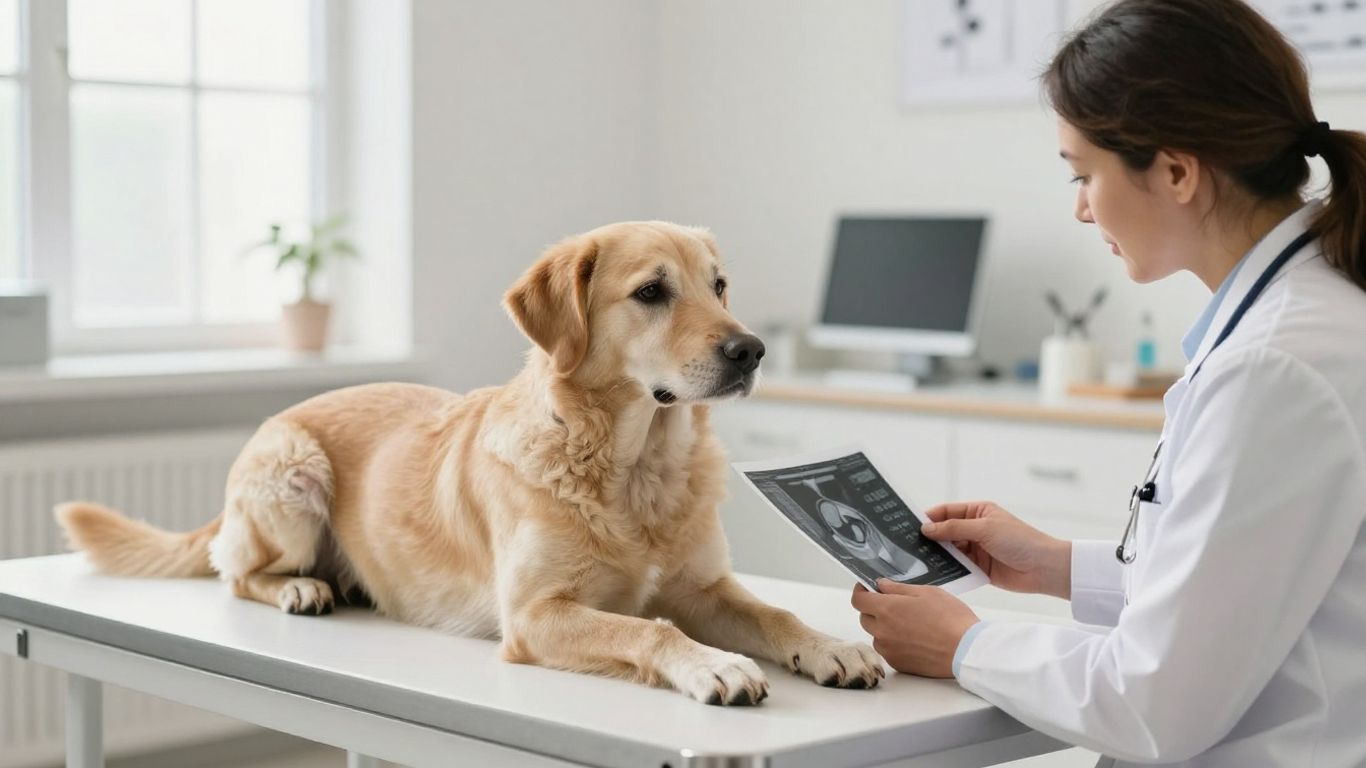
Key Takeaways
Canine nasal cancer can look like a stubborn infection or allergy at first, so persistent changes deserve a veterinary examination. Diagnosis usually depends on imaging and tissue sampling, while treatment is chosen around tumor location, spread, and the dog’s comfort.
- Ongoing discharge, sneezing, nosebleeds, or facial changes should not be ignored.
- CT imaging and biopsy help distinguish a tumor from infection, inflammation, or a foreign body.
- Radiation is often considered when a nasal tumor cannot be removed safely with surgery.
- Supportive care can protect appetite, hydration, comfort, and quality of life.
- Prognosis varies, and regular reassessment helps families make informed decisions.
Understanding canine nasal cancer
Nasal tumors develop in a sensitive, confined part of the head, where even a relatively small mass can interfere with breathing or damage nearby tissue. The early signs are often subtle and overlap with common respiratory problems. A veterinarian is best placed to sort out the possibilities and explain which tests are appropriate.
What nasal cancer is and where it develops
Canine nasal cancer refers to malignant growths arising in the nasal passages or the air-filled spaces around them, called the paranasal sinuses. These tumors may grow into surrounding soft tissue and bone, making local invasion a major concern. Distant spread can occur, but local progression often causes the most immediate problems.
The nasal cavity is difficult to examine fully during a routine visit. A dog may continue eating, playing, and acting normally while a tumor develops deeper inside the nose. That is one reason a chronic symptom deserves attention even when the rest of the dog seems well.
Common tumor types in dogs
Carcinomas are frequently diagnosed in the nasal cavity, with sarcomas and some round-cell tumors also possible. The exact tumor type matters because it can influence expected behavior, treatment choices, and follow-up. Only a pathology examination can establish the diagnosis with confidence.
A useful overview of tumor categories, clinical signs, and diagnostic approaches is available in this nasal tumor overview. It should supplement—not replace—the interpretation of a veterinarian who has examined the individual dog.
How nasal tumors differ from infections and allergies
Allergies, bacterial or fungal disease, foreign material, and inflammation can all cause sneezing or nasal discharge. Those conditions may improve, at least temporarily, with treatment, while a tumor-related problem tends to persist, recur, or gradually change. Bloody discharge, one-sided symptoms, facial distortion, or noisy breathing make a simple allergy less likely, although they do not prove cancer.
The pattern over time is useful. A short episode after seasonal exposure is different from discharge that continues for weeks, returns repeatedly, or becomes progressively blood-stained. A clinical resource on nasal adenocarcinoma signs also describes how easily early symptoms can resemble ordinary respiratory disease.
Risk factors and dogs most often affected
Nasal tumors are more often diagnosed in middle-aged and older dogs, although age alone does not rule them in or out. Breed, muzzle shape, environmental irritants, and individual biology may all play a role, but the cause is not always identifiable. A dog does not need to have an obvious risk factor to develop a nasal mass.
Avoiding tobacco smoke and other airborne irritants is sensible for respiratory health, but prevention cannot eliminate the possibility. The practical focus is recognizing a change and arranging an examination rather than trying to calculate risk at home.
Recognizing the signs of nasal cancer
The signs of canine nasal cancer often build gradually. Some dogs have only a persistent runny nose at first, while others develop noisy breathing, bleeding, or visible changes around the face. Photographing discharge or noting which nostril is affected can give the veterinarian useful information.

Persistent nasal discharge and sneezing
Discharge that lasts beyond an ordinary cold is one of the most common reasons a dog with a nasal tumor is brought in. It may be clear, cloudy, mucus-like, or blood-tinged, and it may begin on one side before involving both nostrils. Repeated sneezing, reverse sneezing, snoring, or rubbing the nose can occur as the passage becomes irritated or narrowed.
A temporary response to medication does not necessarily settle the question. If the discharge returns, becomes thicker or bloody, or is accompanied by worsening sneezing, a follow-up visit is warranted.
Nosebleeds and changes in airflow
Nosebleeds can result from minor trauma, dry air, clotting problems, infection, or a mass that irritates delicate nasal tissue. Recurrent bleeding, especially from one nostril, deserves prompt assessment. Congestion may also change the sound of breathing, cause open-mouth breathing during exertion, or make sleep noisier.
Do not put cotton swabs or household medication into the nose unless a veterinarian specifically recommends it. Gentle cleaning around the nostrils is safer than trying to clear a suspected obstruction.
Facial swelling, eye changes, and neurological symptoms
As a tumor grows, it may cause swelling over the muzzle or beneath an eye. The eye can water, appear pushed outward, or develop changes in movement. These signs suggest that tissues beyond the nasal passage may be affected and should not be watched indefinitely.
In advanced cases, invasion near the brain can be associated with altered behavior, seizures, loss of vision, or unusual coordination. Such symptoms have many possible causes, but they require urgent veterinary attention.
When symptoms require urgent veterinary care
A dog with heavy bleeding, severe breathing difficulty, collapse, sudden blindness, a seizure, or marked neurological change needs emergency care. Even when the problem is not cancer, those symptoms can signal a dangerous complication. Call the clinic before traveling if the dog is struggling to breathe so the team can prepare.
For less dramatic but persistent symptoms, arrange a routine appointment soon rather than repeatedly treating the problem at home. The earlier a veterinarian can define the cause, the more clearly the family can discuss options.
How veterinarians diagnose nasal tumors
Diagnosis is usually a stepwise process. The veterinarian first gathers the timeline and performs a physical examination, then chooses tests that can show both the extent of disease and its exact type. A diagnosis cannot be made reliably from symptoms alone.
Medical history and physical examination
The clinician will ask when the discharge or sneezing began, whether one or both nostrils are involved, whether bleeding occurs, and how the dog responds to previous treatment. Appetite, weight, energy, breathing, dental history, possible foreign-body exposure, and environmental irritants may also matter.
The examination may include the mouth, teeth, eyes, lymph nodes, skin, chest, and nervous system. A normal-looking face does not exclude a deep nasal lesion, so a reassuring basic examination may still be followed by imaging.
Blood tests and initial imaging
Blood work can evaluate general health, anemia from repeated bleeding, organ function, and readiness for anesthesia. It usually cannot confirm or exclude a nasal tumor by itself. Initial radiographs may provide clues, but CT is often more informative because it shows the nasal cavity, sinuses, bone, and nearby structures in greater detail.
Families may encounter broader health technology discussions, such as digital medical records, when considering how test results and records are organized across care. That is separate from tumor diagnosis, but keeping copies of reports and images can make consultations easier.
Rhinoscopy, biopsy, and tumor classification
Rhinoscopy allows a specialist to inspect portions of the nasal passage with a small camera, while a biopsy collects tissue for microscopic examination. Depending on the location, sampling may be performed through the nostril or during an imaging-guided procedure. Pathology identifies the tumor type and helps distinguish cancer from infection or inflammatory disease.
The biopsy result should be read alongside the CT findings. A tumor’s grade, cell type, and exact location may influence whether radiation, surgery, chemotherapy, or palliative care is discussed.
Staging for local spread and metastasis
Staging asks how far the disease has extended locally and whether it has reached lymph nodes or distant organs. Chest imaging, lymph-node assessment, and additional tests may be recommended based on the tumor type and the dog’s condition. The cribriform plate, eyes, sinuses, and surrounding bone receive particular attention because local anatomy affects treatment safety.
A practical diagnostic sequence often looks like this:
- Document the symptom pattern and perform a complete examination.
- Run blood tests and choose appropriate imaging, often including CT.
- Obtain a biopsy when tissue confirmation is needed.
- Assess local invasion and possible spread before treatment planning.
This sequence is flexible rather than automatic. The veterinarian may combine steps or recommend referral to a specialty team when the first examination raises concern.
Treatment options for canine nasal cancer
Treatment depends on the tumor’s type, position, size, local invasion, evidence of spread, and the dog’s overall health. The goals may include controlling the tumor, reducing obstruction or bleeding, preserving comfort, or extending good-quality time. No single treatment is right for every patient.

Radiation therapy and when it is recommended
Radiation is often considered for tumors that are locally invasive or difficult to remove completely without damaging important structures. It may shrink or control the mass and relieve signs caused by obstruction or inflammation. The schedule, technique, anesthesia needs, and likely side effects should be explained by a veterinary radiation specialist.
Radiation oncology information for nasal tumors discusses CT planning, biopsy, and modern radiation approaches in the context of canine and feline patients; families can review this radiation therapy discussion as background for a specialist conversation. Published treatment outcomes vary by tumor and protocol, so online figures should not be treated as a personal prediction.
Surgery for accessible nasal tumors
Surgery may be considered when a mass is accessible and removal can be achieved without unacceptable damage. Nasal anatomy can make complete excision difficult, particularly when the tumor extends into the sinuses, bone, or areas near the eyes and brain. A surgeon will weigh expected control against recovery, appearance, breathing, and function.
Surgery may be used alone, before another treatment, or mainly to obtain tissue. The decision should follow imaging and pathology whenever possible rather than relying on the visible portion of a growth.
Chemotherapy and targeted treatment considerations
Chemotherapy is not equally useful for every nasal tumor. Its role depends on tumor classification, evidence of spread, the scientific evidence for that tumor type, and the dog’s tolerance for treatment. Some protocols aim for control throughout the body, while others are considered when surgery or radiation is not suitable.
Ask what benefit is realistically expected, how treatment is given, and which side effects should prompt a call. A veterinary oncologist can explain whether a drug is being used for established disease control, as an adjunct, or mainly for palliation.
Combining treatments for better disease control
A multimodal plan may combine surgery, radiation, systemic medication, and supportive care. Combining treatments does not automatically mean better care; it can also increase travel, anesthesia, expense, and side effects. The plan should have a clear purpose for each component.
The best option may therefore be a focused treatment rather than the most intensive one. A family can reasonably ask what happens if treatment is delayed, stopped, or changed after the first reassessment.
Making decisions about treatment
A cancer diagnosis brings medical uncertainty and practical pressure at the same time. Families must consider the dog’s current comfort, the likely course without treatment, and what treatment would require at home. Shared decision-making works best when the veterinary team explains both benefits and limits plainly.
How tumor location and stage affect choices
A tumor confined mainly to the nasal cavity may present different options from one that has invaded bone, the eye socket, or the area near the brain. Evidence of distant spread can also change whether the aim is long-term local control or relief of symptoms. CT and pathology are central to making that distinction.
The dog’s age matters, but functional health matters just as much. An older dog who remains active and comfortable may tolerate treatment better than a younger dog with serious heart, kidney, or neurological disease.
Evaluating benefits, risks, and side effects
Ask the team to describe the best-case, typical, and concerning outcomes. Radiation can cause temporary or delayed tissue effects; surgery involves anesthesia and wound healing; medications may affect appetite, digestion, blood counts, or energy. The family should know which effects are expected and which require immediate contact.
A clear comparison can help keep the discussion grounded:
| Consideration | Questions to discuss | Why it matters |
|---|---|---|
| Expected benefit | Is the goal control, relief, or both? | Clarifies what success means |
| Treatment burden | How many visits, anesthetics, or medications are involved? | Shows what the dog and family must manage |
| Side effects | Which reactions are common, serious, or reversible? | Supports timely intervention |
| Cost and logistics | Are travel, monitoring, and follow-up included? | Prevents avoidable surprises |
| Quality of life | How will comfort and daily function be measured? | Keeps the dog’s experience central |
After reviewing these points, ask the veterinarian to connect the recommendation to this particular dog’s findings. A treatment plan is more useful when the family understands not only what will be done, but why.
Understanding veterinary oncology referrals
Referral to a veterinary oncologist, radiologist, surgeon, or specialty hospital may provide access to advanced imaging, radiation planning, pathology review, and coordinated monitoring. A referral does not obligate a family to pursue intensive treatment. It can simply provide a more complete estimate of options.
Bring the primary veterinarian’s records, medication list, blood work, imaging, and biopsy reports. If the family is also managing another major health problem, mention it early so the specialist can make a realistic plan.
Questions to ask before starting therapy
Before treatment begins, ask who will coordinate care, how the dog should be prepared, and what after-hours support is available. Find out how quickly improvement might be noticed and when the first formal reassessment will occur. Written instructions are helpful when a plan involves several medications or appointments.
Questions about full mouth reconstruction or a scooter buying guide belong to entirely different kinds of planning, but the same general habit applies: clarify costs, risks, maintenance, and alternatives before committing. In a cancer consultation, keep the questions focused on the dog’s diagnosis and likely daily experience.
Supporting a dog during treatment
Home care cannot remove a nasal tumor, but it can make treatment safer and the dog’s days more comfortable. Small changes in appetite, breathing, energy, or discharge may be meaningful when tracked over time. Follow the care team’s instructions rather than adding over-the-counter products on your own.
Managing pain, congestion, and nasal discharge
Give prescribed pain relief and other medications exactly as directed. Keep the resting area clean, quiet, and free from smoke, dust, aerosol sprays, and strong fragrances. A humidified environment may help some dogs, but ask the veterinarian whether it is appropriate, particularly if breathing is compromised.
Clean discharge gently from the outside of the nostrils with a soft, damp cloth. Do not force fluid, ointment, or tools into the nasal passages. Worsening obstruction, repeated heavy bleeding, or labored breathing warrants a prompt call.
Feeding, hydration, and maintaining energy
Congestion, nausea, mouth soreness, or fatigue can reduce interest in food. Offer the diet recommended by the veterinary team in small, frequent portions and keep fresh water available. Never force-feed a dog that is struggling to breathe or swallow.
Track appetite, water intake, vomiting, stool, and body weight when possible. A sustained decline may signal a side effect, infection, pain, or progression and is easier to address when reported early.
Caring for skin and other radiation-related effects
Radiation-related skin changes may not appear immediately and can develop around the treated area. Use only products approved by the radiation team, and keep the dog from rubbing or scratching the site. Avoid sun exposure to sensitive skin unless the specialist provides different instructions.
Do not shave, bathe, or apply creams to the treatment area without guidance. The correct care depends on the technique used, the timing of treatment, and the appearance of the skin.
Monitoring recovery and reporting complications
A simple daily note can record breathing, discharge, bleeding, appetite, energy, sleep, pain behaviors, and enjoyment of familiar activities. Share the trend rather than waiting for the next appointment if several measures worsen together.
Call the veterinary team for persistent vomiting or diarrhea, refusal of food or water, fever, severe lethargy, uncontrolled bleeding, breathing difficulty, or a sudden neurological change. Early advice may prevent a manageable problem from becoming an emergency.
Prognosis, follow-up, and quality of life
Prognosis is an estimate, not a timetable. It depends on the tumor type, how far it has invaded, whether it has spread, the treatment selected, and the dog’s overall condition. Follow-up is therefore part of treatment rather than an optional final step.
Factors that influence life expectancy
Tumors that are smaller, more localized, and responsive to treatment may allow more comfortable time than tumors with extensive bone or neurological involvement. Pathology, CT findings, treatment response, and the dog’s ability to tolerate care all shape the outlook. Statistics describe groups of dogs and cannot predict one patient’s course precisely.
Ask the veterinarian to explain the expected range in terms of comfort and function, not only months. It is also reasonable to ask what signs would make the estimate change.
Signs that treatment is working or failing
Improved airflow, less discharge or bleeding, better sleep, renewed appetite, and more normal activity may suggest that treatment is helping. These changes should still be confirmed through examination and scheduled imaging. A dog can feel better for a time even when a tumor remains, so home observations are valuable but not definitive.
Worsening congestion, recurrent bleeding, facial swelling, pain, weight loss, reduced interaction, or new neurological signs may indicate progression or a complication. Contact the care team rather than assuming that every change is part of recovery.
Follow-up examinations and repeat imaging
Follow-up visits may include a physical examination, blood work, nasal assessment, and repeat CT or other imaging. The timing depends on the treatment plan and the dog’s response. Pathology review or additional sampling may be recommended if the clinical picture changes.
Keep a folder with reports, medication instructions, symptom notes, and questions. Consistent records make it easier for different veterinary teams to understand what has changed since the last visit.
Measuring comfort and making compassionate care decisions
Quality of life is best judged by patterns: breathing comfortably, eating and drinking, resting, moving, interacting, and enjoying familiar routines. Count good days and difficult days, but also notice whether the difficult days are becoming more intense or harder to reverse. A quality-of-life scale can support the conversation, though it does not replace personal knowledge of the dog.
When comfort can no longer be maintained, choosing a peaceful end to suffering is a compassionate medical decision. Discuss that possibility before a crisis so the family knows what support is available and can focus on the dog’s needs.
Conclusion
Canine nasal cancer is difficult to recognize early because its first signs resemble common nasal problems. Persistent symptoms, careful diagnostic work, and an honest discussion of treatment goals can help families choose a plan that fits both the medical facts and the dog’s quality of life.
Frequently Asked Questions
What is the first sign of canine nasal cancer?
Persistent nasal discharge, repeated sneezing, or a recurring nosebleed is often noticed first. These signs have many possible causes, so an examination is needed rather than assuming cancer or dismissing the symptoms as allergies.
Can allergies cause the same symptoms as a nasal tumor?
Yes. Allergies, infection, inflammation, and a foreign body can resemble a nasal tumor, especially early on. Symptoms that persist, recur, become bloody, or are limited mainly to one nostril deserve further evaluation.
How is a nasal tumor confirmed in a dog?
Imaging helps show the location and extent of a mass, while a biopsy is generally needed to identify the tumor type. Blood tests can assess general health but usually cannot confirm nasal cancer alone.
Is radiation therapy always needed?
No. Treatment depends on tumor type, location, stage, the dog’s health, and the family’s goals. Radiation may be recommended for local control, while surgery, medication, comfort-focused care, or a combination may be more appropriate in other cases.
Can a dog live comfortably with a nasal tumor?
Some dogs maintain good comfort for a meaningful period, particularly when symptoms are controlled. Comfort depends on obstruction, bleeding, pain, neurological effects, treatment response, and general health, so regular reassessment is important.
What should I track at home during treatment?
Record appetite, water intake, breathing, discharge, bleeding, energy, sleep, pain behaviors, weight, and interest in normal activities. A short daily log helps the veterinary team identify trends and side effects.
When should a dog with nasal symptoms go to an emergency clinic?
Seek urgent care for severe breathing difficulty, heavy or uncontrolled bleeding, collapse, seizures, sudden blindness, or a marked neurological change. Call the clinic while arranging transport if breathing is compromised.



Leave a Reply