
Key Takeaways
A new or persistent change in your dog deserves attention, but signs alone cannot tell you whether cancer is the cause. A veterinarian can help determine what to check next.
- Notice and record new lumps, ongoing symptoms, and changes in your dog’s usual behavior.
- Contact a veterinarian about changes that persist or get worse.
- Seek prompt care for breathing trouble, severe pain, or collapse.
- Many conditions can cause signs that resemble cancer, so an examination and tests may be needed.
- Keep your veterinarian informed about symptoms, appetite, weight, and when changes began.
Physical changes that may raise concern
Changes in your dog’s body can be unsettling, especially when they seem to appear without an obvious cause. Some deserve a closer look, but none can confirm cancer by itself. Notice whether a change is new, growing, recurring, or interfering with ordinary activities. If you have questions about what to watch for, this guide to cancer warning signs offers another overview.
New lumps or changes in existing ones
A lump may be harmless, but its appearance or feel cannot reliably establish what it is. Keep track of where it is, roughly how large it seems, and whether it changes over time. Avoid squeezing or repeatedly handling it, which may irritate the area; instead, ask your veterinarian whether it should be examined. A new lump or a change in an old one is worth mentioning at an appointment.
Wounds that do not heal or unusual bleeding
A sore that stays open, repeatedly returns, or seems slow to heal should be assessed, particularly if you cannot identify a clear cause. Bleeding can also result from an injury or another health problem, but unexplained or recurring bleeding merits veterinary advice. Note where it occurs and how often you see it. If bleeding is heavy or your dog seems weak or distressed, contact a veterinarian promptly.
Swelling, discharge, or changes around the eyes and mouth
Swelling or unusual discharge around the eyes or mouth can have several causes, including infection or injury. Watch for accompanying changes such as trouble chewing, drooling, a new odor, or apparent discomfort. These details may help your veterinarian decide how soon your dog should be seen. Do not put medication or cleaning products near the eyes or inside the mouth unless your veterinarian recommends it.
Persistent coughing, trouble breathing, or difficulty swallowing
A cough that continues, breathing that seems strained, or trouble swallowing should not be ignored. These signs can arise from many conditions, and a veterinarian can assess their urgency and possible causes. Breathing difficulty is especially concerning: seek prompt veterinary care rather than waiting to see whether it passes. Keep your dog calm while arranging help.
Changes in appetite, energy, and body function
A gradual change in your dog’s daily habits may be easier to miss than a visible lump. Appetite, weight, energy, bathroom habits, and movement can all provide useful clues about general health. A pattern of changes matters more than any single observation, though even a brief symptom can warrant attention if it is severe. Reading about other subtle signs may help you think through what you have noticed, but it cannot replace veterinary advice.

Unexplained weight loss or loss of appetite
If your dog is losing weight without a clear reason or regularly leaving food untouched, tell your veterinarian. Dental discomfort, digestive problems, stress, and many other issues can affect eating or weight. Note when the change began and whether your dog is still drinking and taking treats. A steady decline is useful information even if your dog otherwise seems well.
Ongoing tiredness, pain, or changes in behavior
A dog who seems unusually withdrawn, reluctant to play, restless, or uncomfortable may be signaling a health problem. Pain can show up as changes in posture, sleep, social behavior, or tolerance for touch rather than as crying. If the change persists, describe what is different from your dog’s normal routine. These signs have many possible explanations, so avoid assuming a diagnosis based on behavior alone.
Vomiting, diarrhea, or trouble urinating or defecating
Repeated vomiting or diarrhea, a lasting change in bathroom habits, or difficulty urinating or defecating deserves a conversation with a veterinarian. The cause may be unrelated to cancer, but ongoing symptoms can affect hydration and comfort. If your dog cannot pass urine, appears severely unwell, or has repeated episodes, seek prompt veterinary guidance. Share how often the symptoms occur and whether you have noticed other changes.
Limping or stiffness that does not improve
Limping or stiffness can follow an injury, but persistent or worsening difficulty moving should be checked. Notice whether it affects one or more legs, whether it comes and goes, and whether your dog avoids stairs or walks. Do not force exercise to test the problem. Your veterinarian can assess your dog and advise whether rest, examination, or further evaluation is appropriate.
Why signs alone cannot confirm cancer
Many of the changes people worry about are also common signs of conditions that are not cancer. At the same time, some cancers may not cause obvious symptoms at first. That makes observation useful, but it does not make observation a diagnosis. Information about cancer in pets also explains why professional assessment matters when a concerning change appears.
Symptoms can have many possible causes
A loss of appetite, cough, or lump can have multiple explanations, and the same symptom may mean different things in different dogs. Age, medical history, medications, and the timing of the change all help a veterinarian assess what might be going on. A symptom list online can point you toward questions, but it cannot sort out those details for your individual dog. Diagnosis requires an evaluation by a veterinary professional.
Some cancers cause few noticeable signs early on
A dog may seem generally well even while an underlying problem is developing. In other cases, signs may be vague or appear only as a small change in energy or routine. That is one reason to mention persistent changes during regular care, rather than waiting for a dramatic symptom. There is no single observation that can reliably rule cancer in or out.
A lump’s appearance or feel cannot reliably identify what it is
A lump’s size, texture, or location may help a veterinarian decide what to investigate, but touch alone cannot identify its nature. Some noncancerous growths can resemble concerning ones, and a lump that seems ordinary may still need assessment. Your veterinarian can recommend whether monitoring or sampling is appropriate. Avoid relying on comparisons with pictures or another dog’s lump to reach a conclusion.
When to contact a veterinarian
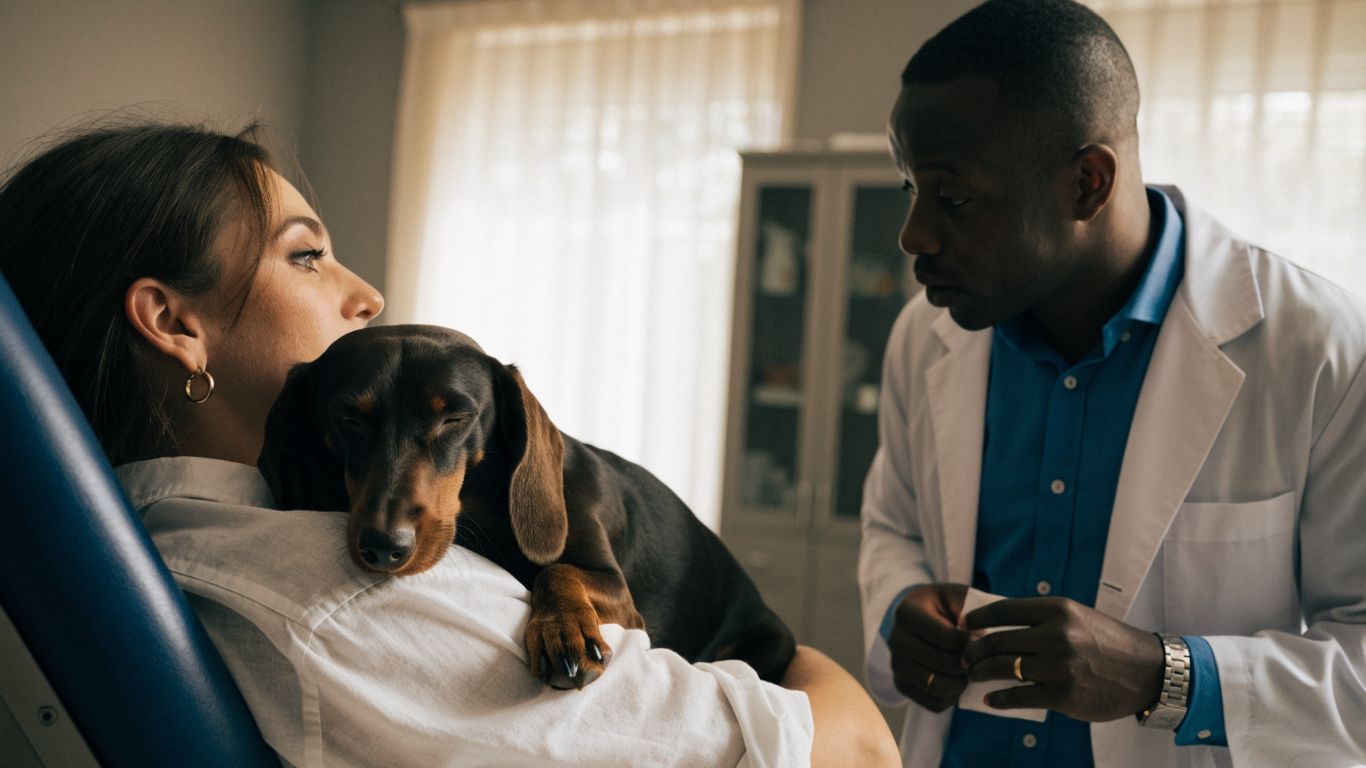
If you notice a change that persists, returns, or worsens, contact your veterinarian and explain what you have observed. You do not need to be certain that something is serious before asking for guidance. Describe how your dog is acting now compared with their usual self, and mention any changes in appetite, weight, or daily function. A timely call can help determine the right next step.

Arrange an appointment for persistent or worsening changes
Make an appointment if a lump changes, a wound does not heal, or another symptom continues or becomes more noticeable. Your veterinary team can advise whether your dog should be seen soon or whether a scheduled visit is appropriate. When you call, be specific about what changed and when you first noticed it. Even if a symptom later improves, mention it if it keeps returning.
Seek prompt care for breathing trouble, severe pain, or collapse
Breathing difficulty, collapse, or severe pain calls for prompt veterinary care. If your dog is struggling to breathe or cannot stand, contact an emergency veterinary service rather than waiting for a routine appointment. Keep your dog as calm and comfortable as you can while getting help. If you are uncertain about urgency, call a veterinary professional and describe the signs.
Track symptoms and note when they started
A short record can help you give your veterinarian a clearer account, particularly when symptoms vary from day to day. Write down the start date, how often a sign occurs, and what seems to make it better or worse. The same habit of noting specific details appears in practical guides to home maintenance, tuning-file service records, helium balloon care, event planning, and new-car delivery checks, though those subjects are unrelated to veterinary care. For your dog, keep the notes focused on observable changes and share them at the appointment.
How veterinarians check for cancer
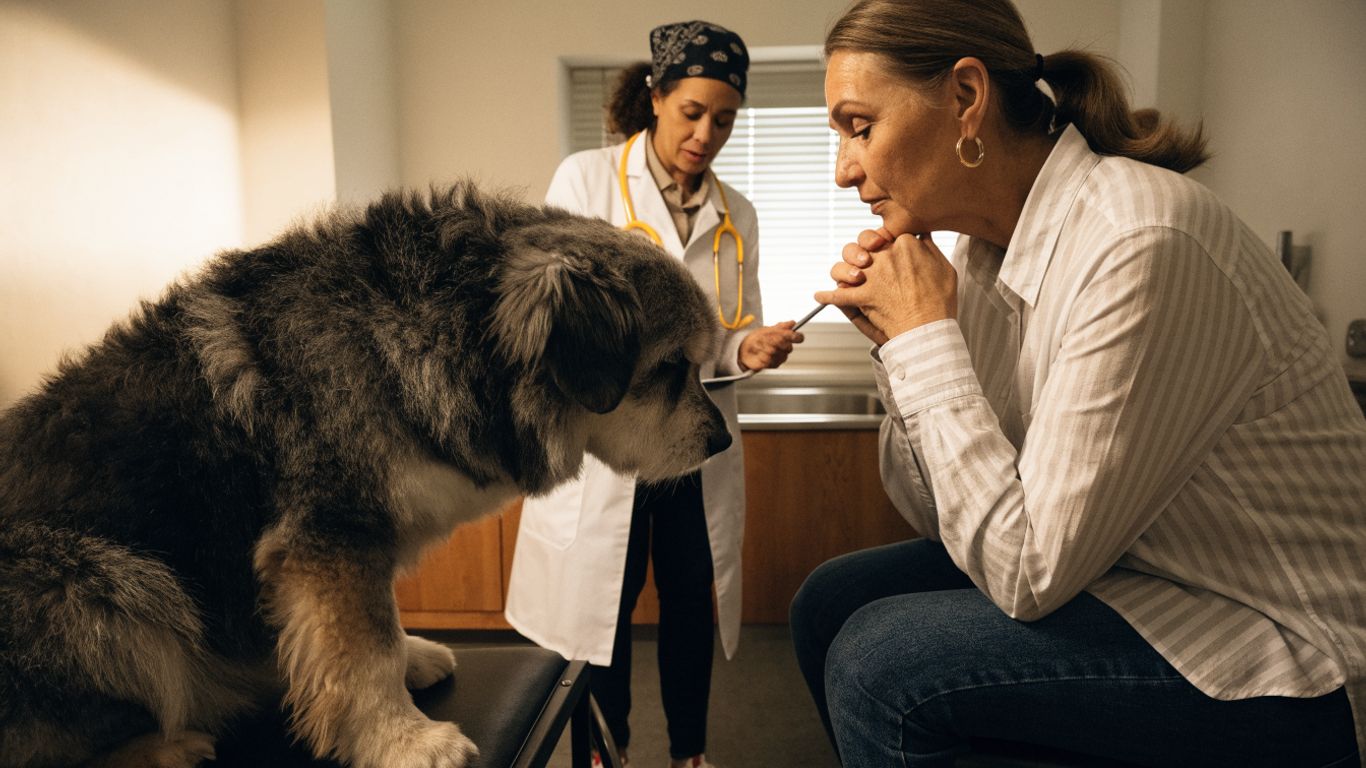
If cancer is one possibility, your veterinarian will consider the whole picture rather than rely on a single symptom. The evaluation may begin with an examination and medical history, followed by tests chosen for your dog’s situation. Not every dog needs every test, and results may lead to additional questions. Ask what each recommended step is intended to clarify.
Physical examination and medical history
Your veterinarian may ask when a change began, whether it has progressed, and what other symptoms you have noticed. The examination can include checking a lump, listening to the heart and lungs, and assessing your dog’s general condition. Bring a list of medications and relevant past health issues if you can. These details help put test results in context.
Blood and urine tests
Blood or urine tests can provide information about your dog’s general health and how certain body systems are functioning. They do not, by themselves, confirm or exclude every cancer. Your veterinarian may use the results to guide further evaluation or to understand whether another explanation is more likely. Ask when to expect results and how they will affect the next decision.
Imaging, such as X-rays or ultrasound
Imaging tests such as X-rays or ultrasound can help a veterinarian look inside the body and assess an area of concern. Which approach is useful depends on the symptoms and what the examination suggests. Imaging findings may need to be interpreted alongside other information, and sometimes further testing is recommended. Your veterinarian can explain what the images can and cannot show.
A discussion of what follows a cancer diagnosis can offer general context about questions owners may have later, including treatment and quality of life. At this stage, however, the immediate goal is to understand what is causing the signs and what information is still needed. Ask your veterinarian to explain the purpose of each test in relation to your dog.
Sampling or biopsy to identify abnormal cells
To identify what a growth is, a veterinarian may recommend collecting a sample or performing a biopsy for examination. The method depends on the location and type of change, and the procedure may require planning or additional care. A sample can provide information that appearance alone cannot. Ask how the sample will be collected, when results may be available, and what the possible next steps are.
What to do while your dog is being evaluated
Waiting for an appointment or test results can be stressful, but a few practical steps can make the process easier. Keep your dog’s routine as steady as is comfortable and follow the veterinary team’s instructions. Write down questions as they come up so you can use appointment time well. If your dog’s condition changes suddenly, call the clinic rather than relying on an old plan.
Keep a record of symptoms, appetite, and weight
A simple record can help you describe whether a sign is stable, improving, or getting worse. Include appetite, energy, bathroom habits, and any changes in weight if you have a reliable way to track it. A few short entries are usually more useful than trying to remember everything at the appointment. Share the record with your veterinary team and ask which details matter most.
Ask about the purpose, timing, and cost of recommended tests
It is reasonable to ask what a test may reveal, how soon it should be done, and whether there are alternatives. You can also ask when results are expected and what decisions may depend on them. Discussing costs openly helps you understand the plan and make informed choices with your veterinarian. If anything is unclear, ask for the explanation in everyday terms.
Follow your veterinarian’s guidance on comfort and activity
Your veterinarian can advise whether your dog should rest, continue normal walks, or avoid particular activities while being evaluated. Follow instructions about medication and comfort measures, and do not give human medicines unless the veterinary team specifically directs you to. Call if pain or another symptom worsens. Small changes in your dog’s comfort may be useful to report, too.
Conclusion
Noticing a new lump or a change in appetite, energy, movement, or daily function can raise difficult questions, but signs alone cannot tell you whether your dog has cancer. Keep track of what you see, contact your veterinarian about persistent or worsening changes, and seek prompt help for severe symptoms. An examination and any recommended tests can help clarify what is happening and guide the next steps for your dog.
Frequently Asked Questions
How do you know if your dog has cancer?
You cannot confirm cancer from signs alone. A veterinarian considers your dog’s history and examination and may recommend tests or a sample to identify the cause of a change.
What are common signs of cancer in dogs?
Possible signs include a new or changing lump, a wound that does not heal, unexplained weight loss, appetite changes, ongoing tiredness, or persistent problems with breathing, digestion, or movement. These signs can also have other causes.
Should every lump on a dog be checked?
Tell your veterinarian about a new lump or one that changes, grows, or bothers your dog. Its appearance or feel cannot reliably show whether it is cancerous.
When should I call a veterinarian about a possible cancer symptom?
Contact your veterinarian about symptoms that persist, recur, or worsen. Breathing difficulty, collapse, or severe pain calls for prompt veterinary care.
Can a dog have cancer without obvious symptoms?
Some cancers may cause few noticeable signs early on. Routine veterinary care and sharing persistent changes can help your veterinarian decide whether further evaluation is needed.
What tests might a veterinarian use to check for cancer?
Depending on the situation, an evaluation may include a physical examination, blood or urine tests, imaging such as X-rays or ultrasound, or sampling or biopsy. The recommended tests vary by dog.
What should I record before my dog’s appointment?
Write down when symptoms began, how often they occur, and any changes in appetite, weight, energy, bathroom habits, or movement. Include relevant medications and questions you want to ask.




Leave a Reply