
Key Takeaways
Cancer in dogs is not one disease, and its causes are often a mix of biology, age, inherited risk, and chance. A new or persistent change deserves a veterinary assessment rather than guesswork.
- Any dog can develop cancer, although risk generally rises with age.
- A lump is not automatically cancer; testing is needed to tell benign from malignant growths.
- Warning signs can include weight loss, low energy, pain, breathing changes, or abnormal bleeding.
- Veterinarians may use examinations, blood tests, imaging, and tissue sampling to reach a diagnosis.
- Treatment may involve surgery, chemotherapy, radiation, supportive care, or a combination of approaches.
What cancer means in dogs
Cancer begins when cells stop following the normal controls that regulate growth, repair, and cell death. The result may be a localized mass, disruption of an organ, or disease affecting tissues throughout the body. If you have searched “how do dog get cancer,” the short answer is that abnormal cell behavior can arise for several different reasons, and one clear cause is not always found.
How abnormal cells develop and spread
Healthy cells divide when needed and stop when their work is done. Cancer cells may continue multiplying, resist normal signals to die, and sometimes invade nearby tissue. Some can enter the blood or lymphatic system and establish tumors elsewhere, a process called metastasis.
The location and behavior of the original cells shape the disease. A tumor affecting bone behaves differently from one arising in lymph tissue or the skin, which is why diagnosis must identify the cancer type rather than rely on the appearance of a lump alone.
Why cancer can affect any dog
Cancer can occur in young or old dogs, mixed breeds or purebreds, and dogs of either sex. Some animals inherit changes that increase susceptibility, while others develop cancer after years of ordinary cell division. Often, there is no responsible action a family could have taken to prevent it.
Age and breed patterns can help a veterinarian decide what to investigate, but they do not predict an individual dog’s future. A healthy-looking dog can still develop an internal cancer that produces few obvious signs at first.
The difference between benign and malignant tumors
A benign tumor usually remains localized and does not invade distant organs, although it may still cause trouble if it presses on nerves, airways, or other structures. A malignant tumor is cancerous and may invade surrounding tissue or spread. Appearance alone cannot reliably distinguish the two.
That distinction is why a veterinary examination matters. A pet cancer overview can help explain broad risk factors and common forms, but a veterinarian must evaluate the individual dog and determine whether sampling is appropriate.
Why dogs get cancer
There is rarely one simple answer to why a particular dog develops cancer. Researchers and veterinarians look at inherited traits, accumulated cellular damage, hormones, immune function, and environmental exposures. These factors can raise or lower risk without acting as a guarantee.

Genetic and breed-related risk factors
Certain breeds show higher rates of particular cancers, suggesting that inherited biology can influence how cells grow and repair damage. Breed-associated risk is not destiny, though; it is one piece of the medical history. Mixed-breed dogs can also develop cancer, and no breed is protected from every form.
A veterinarian may ask about breed, relatives, previous illnesses, and the timing of any symptoms. That information can guide examination and testing without turning a population trend into an individual diagnosis.
Age-related changes in cells
Older dogs have experienced more rounds of cell division and more time for cellular errors or environmental damage to accumulate. Natural changes in immune surveillance and tissue repair may also affect how the body handles abnormal cells. This is one reason new changes in a senior dog should not be dismissed as “just aging.”
Age does not make every symptom cancer, but it changes the threshold for checking persistent problems. Routine examinations can help establish what is normal for a dog before a subtle change becomes more advanced.
Environmental exposures and carcinogens
Some exposures may contribute to cancer risk, including tobacco smoke, certain chemicals, pesticides, herbicides, and excessive sunlight on lightly pigmented skin. The effect depends on dose, duration, route of exposure, and the dog’s own susceptibility. Evidence is not equally strong for every suspected exposure, so prevention advice should remain practical rather than alarmist.
Reducing smoke and chemical exposure, following product labels, and providing shade are sensible steps. These choices cannot eliminate cancer risk, but they can support a safer home environment.
Hormones, inflammation, and immune system factors
Hormonal signals can affect the development of some tumors, and reproductive history may be relevant to certain cancers. Long-standing inflammation or a weakened immune response may also alter the conditions in which abnormal cells survive. These relationships are complex and vary by cancer type.
Families should discuss spaying, neutering, and other preventive decisions with their veterinarian rather than applying one rule to every dog. For comparison, a general cancer causes and treatment guide discusses how age, gender, and reproductive factors may fit into the wider picture.
Common types of cancer in dogs
Canine cancer includes many diseases, each with its own typical behavior and treatment options. Some begin in blood-forming or immune tissues, while others arise in skin, bone, connective tissue, or internal organs. Knowing the names can provide context, but it cannot replace pathology.
Lymphoma and cancers of the immune system
Lymphoma develops from lymphocytes, a type of white blood cell, and may affect lymph nodes, the spleen, bone marrow, or other organs. Enlarged lymph nodes, tiredness, appetite changes, or weight loss can occur, although signs vary. The disease may be widespread before it is recognized.
Other cancers can affect immune or blood-forming tissues as well. A guide to lymphoma and osteosarcoma offers additional general background on common canine cancers and their warning signs.
Mast cell tumors and skin cancers
Mast cell tumors arise from immune cells in the skin and can look like many other lumps. They may change size, become irritated, or cause nearby swelling. Some skin growths are harmless, while others are aggressive, so a changing mass should be assessed.
A dog’s skin also reflects noncancerous conditions. Itching, redness, and ear infections may fit an allergy guide for dogs more closely than cancer, but persistent or unusual skin changes still warrant professional advice.
Bone cancer and soft tissue sarcomas
Bone cancer can cause pain, swelling, or lameness, sometimes with a sudden worsening after a period of intermittent discomfort. Soft tissue sarcomas develop in connective tissues and may present as a firm or growing mass beneath the skin. Their behavior depends on the specific tumor and its grade.
Limping is not automatically cancer; injuries, arthritis, and infections are common alternatives. Persistent symptoms nevertheless deserve examination, especially when pain and swelling progress.
Cancers affecting internal organs
Tumors can arise in organs such as the spleen, liver, kidneys, lungs, or digestive tract. Internal cancers may cause vague signs, including reduced appetite, vomiting, abdominal enlargement, weakness, or weight loss. Some are discovered incidentally during imaging for another problem.
Because these diseases can remain hidden, a normal-looking skin examination does not rule out cancer. A broad cancer symptoms and treatment resource can help families understand why prompt veterinary assessment matters.
Warning signs of cancer in dogs
Cancer signs often overlap with common illnesses, so no single symptom proves that a dog has cancer. The useful question is whether a change is new, persistent, worsening, or accompanied by several other changes. Early attention gives the veterinarian more options for deciding what needs investigation.

New lumps, growths, or changes in the skin
Check new masses for changes in size, texture, color, warmth, discharge, or sensitivity. A lump that grows quickly, ulcerates, bleeds, or feels fixed in place deserves prompt evaluation. Do not squeeze or repeatedly manipulate it at home.
A simple record of location, measurements, and photographs can help show whether a mass is changing. Even a soft, movable lump may need testing because physical feel alone is not definitive.
Unexplained weight loss, fatigue, or appetite changes
Weight loss without a diet change can reflect cancer, dental disease, intestinal problems, infection, or metabolic illness. Reduced stamina, unusual sleepiness, and a shifting appetite are similarly nonspecific. Their persistence or combination is more concerning than a single off day.
Track food intake, body weight, water consumption, bowel habits, and energy. These details help a veterinarian judge whether the pattern is stable and what tests may be useful.
Persistent pain, limping, coughing, or breathing problems
Ongoing lameness, reluctance to climb stairs, coughing, noisy breathing, or reduced exercise tolerance should be examined. Pain may show through behavior rather than vocalization: a dog may hide, pant, tremble, or stop engaging with familiar activities.
Breathing difficulty is urgent, particularly if the gums look blue, gray, or very pale. A veterinarian can distinguish heart, lung, orthopedic, infectious, and cancer-related causes through examination and testing.
Abnormal bleeding, swelling, vomiting, or diarrhea
Unexplained bleeding from the nose, mouth, urine, stool, or reproductive tract needs veterinary attention. Repeated vomiting or diarrhea, a swollen abdomen, or difficulty passing stool can also signal a serious problem, though many noncancerous conditions cause them.
Seek emergency care for collapse, severe weakness, uncontrolled bleeding, repeated unproductive retching, or obvious breathing distress. For less urgent but ongoing signs, arrange an appointment rather than waiting for them to resolve indefinitely.
How veterinarians diagnose cancer
Diagnosis usually proceeds in stages, beginning with the dog’s history and a careful examination. The veterinarian then chooses tests based on the symptoms, suspected body system, and the dog’s overall condition. The goal is not merely to find a mass, but to identify what it is and how it behaves.
Physical examinations and medical history
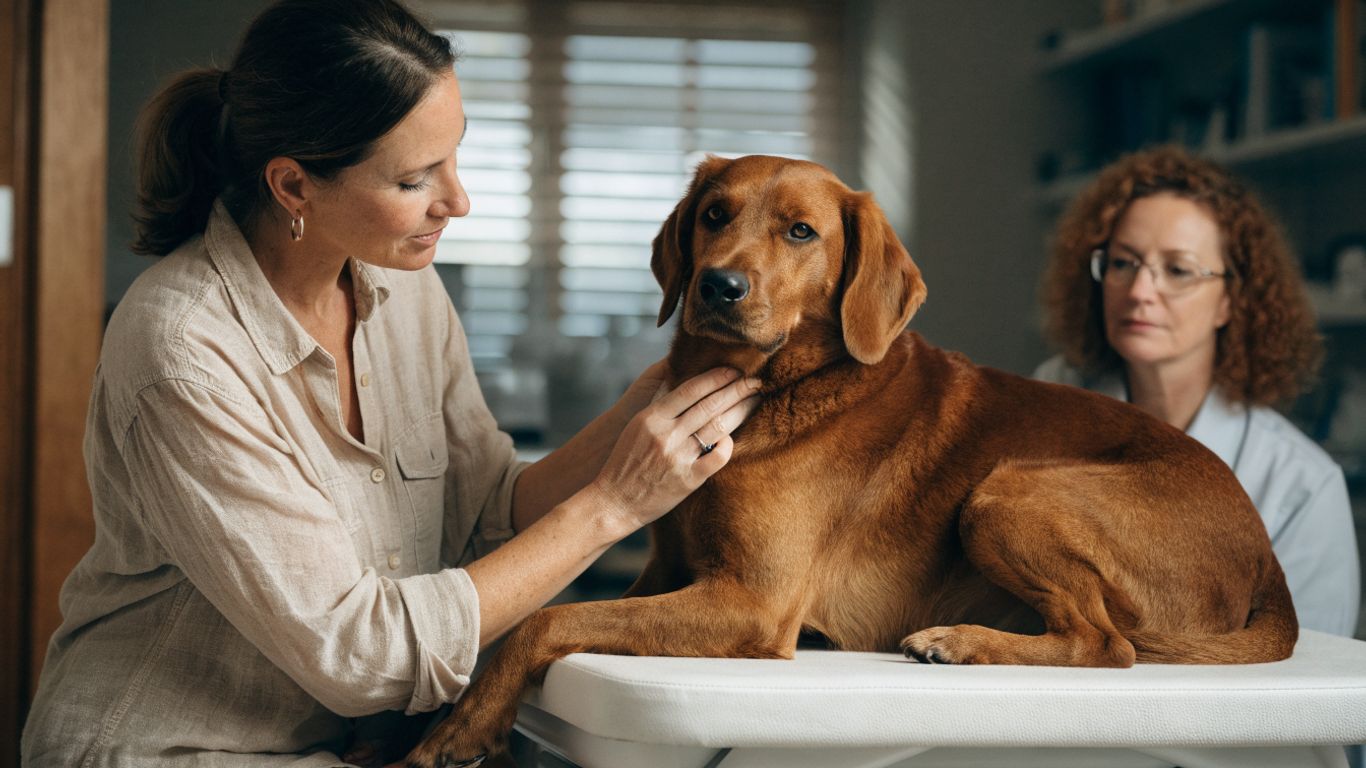
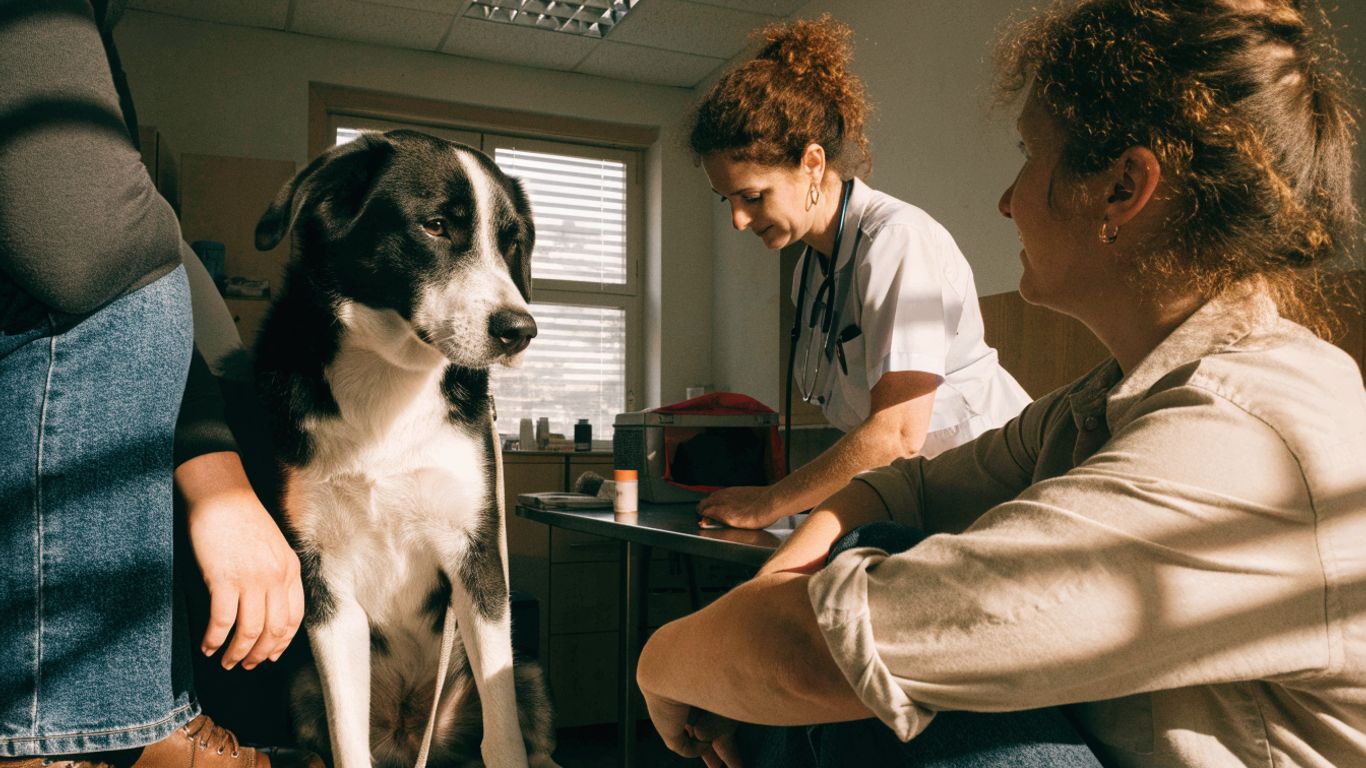
The appointment may include checking lymph nodes, skin, mouth, abdomen, gait, breathing, and body condition. The veterinarian may ask when the change began, whether it is growing, and how eating, drinking, sleeping, and activity have shifted. Medication history and prior illnesses can also affect the plan.
Bring records of symptoms and any photographs or measurements. A clear timeline often makes a subtle pattern easier to recognize.
Blood tests and diagnostic imaging
Blood and urine tests can assess organ function, inflammation, anemia, clotting, and other clues. They do not usually identify every cancer by themselves, but they help determine which procedures are safe and whether an organ is being affected.
X-rays, ultrasound, CT, or MRI may show the size and location of a mass and whether other areas appear abnormal. Imaging guides sampling and treatment planning, but it may not establish the exact tumor type without cells or tissue.
Fine-needle aspiration and biopsies
A fine-needle aspiration collects cells from a lump or enlarged lymph node for examination. A biopsy removes a tissue sample, or sometimes the entire mass, so a pathologist can assess its structure, type, and grade. The best method depends on location, size, and the suspected disease.
Sampling is more informative than guessing from appearance. Ask what the procedure can reveal, whether sedation is needed, and how the result will change the next decision.
Staging cancer and assessing its spread
Staging describes how extensive a cancer is and whether it has spread to lymph nodes or distant organs. It may involve imaging, additional sampling, and bloodwork. Not every cancer uses the same staging system, and the tests recommended will vary.
A confirmed diagnosis can feel overwhelming, but it creates a clearer basis for choices. Families can also review how veterinary medicines are evaluated in this pet cancer treatment approval resource while discussing options with their veterinarian.
How cancer in dogs is treated and managed
Treatment depends on the tumor’s type, location, grade, stage, and the dog’s general health. The aim may be cure, long-term control, or relief from discomfort and other symptoms. A plan should account for the family’s practical circumstances as well as the dog’s welfare.
Surgery, chemotherapy, and radiation therapy
Surgery can remove a localized tumor or obtain tissue for diagnosis. Chemotherapy uses medicines to slow or destroy cancer cells, while radiation therapy targets selected areas with high-energy treatment. These approaches may be used alone or together.
Side effects vary, and veterinary protocols are often designed around maintaining daily function. The care team should explain expected benefits, possible complications, costs, and what signs would require a call.
Targeted treatments and immunotherapy
Some cancers have biological features that allow more specific medicines or immune-based approaches to be considered. Availability and suitability depend on the diagnosis, testing, local expertise, and the evidence for that particular tumor. These treatments are not interchangeable across cancers.
Ask whether a proposed therapy has a clear goal and how response will be measured. A treatment discussion should include alternatives, not just the most intensive option.
Palliative care and pain management
When cancer cannot be removed or controlled, palliative care can still make a meaningful difference. Pain relief, nausea control, appetite support, mobility assistance, nutrition, and a calmer home routine may help a dog remain comfortable. Hospice-style care focuses on the dog’s experience day by day.
Useful home observations include eating, drinking, resting, walking, grooming, and interest in family interaction. These measures turn a difficult feeling into information that can guide adjustments.
Prognosis, quality of life, and veterinary follow-up
Prognosis depends on the cancer’s biology and how early it is found, as well as the dog’s response to treatment. No online estimate can account for all of those variables. Follow-up visits may include examinations, repeat imaging, blood tests, or discussions about changing goals.
Keep a written list of questions and bring it to appointments. Veterinary care may extend life, improve comfort, or provide both; the most appropriate plan is the one that keeps the dog’s welfare at its center. For a broader overview of canine cancer treatment options, families can compare general concepts before returning to their own veterinarian’s advice.
Conclusion
Cancer in dogs can have many causes and may begin with signs that look ordinary, but careful observation and timely veterinary care can clarify what is happening. If your dog has a persistent change, seek an examination and discuss the diagnostic and treatment choices openly, with quality of life guiding each decision.
Frequently Asked Questions
Can any dog get cancer?
Yes. Cancer can affect dogs of any breed, size, sex, or age, although some cancers are more common in older dogs or in particular breeds.
Is every lump on a dog cancerous?
No. Many lumps are benign, but appearance and feel cannot reliably identify them. A veterinarian may recommend sampling or removal to determine what a growth is.
What is the earliest sign of cancer in a dog?
There is no single earliest sign. A new lump, unexplained weight loss, persistent fatigue, appetite change, or ongoing pain can be an early clue and should be assessed if it does not resolve.
Can cancer in dogs be prevented?
Not all cancers can be prevented. Reducing exposure to tobacco smoke and unnecessary chemicals, protecting lightly pigmented skin from excessive sun, maintaining healthy body condition, and keeping regular veterinary visits are sensible steps.
How is cancer diagnosed in dogs?
Veterinarians may combine a physical examination with bloodwork, urine testing, imaging, fine-needle aspiration, biopsy, and tests that assess whether the disease has spread.
Does chemotherapy always make dogs very sick?
No. Side effects vary by drug, dose, and individual dog. Veterinary protocols are generally adjusted to balance cancer control with comfort and daily quality of life.
When should a dog with possible cancer see a veterinarian?
Arrange an appointment for a new or changing lump, persistent illness, unexplained weight loss, ongoing pain, or repeated digestive symptoms. Seek emergency care for breathing difficulty, collapse, severe weakness, or uncontrolled bleeding.


Leave a Reply