
Key Takeaways
Cancer in dogs usually develops through a mix of aging, inherited susceptibility, and environmental or lifestyle factors rather than one identifiable cause.
- Any dog can develop cancer, including young dogs.
- Older age and certain inherited traits can raise risk.
- A lump or ongoing change does not automatically mean cancer, but it deserves veterinary attention.
- Diagnosis generally requires testing, often including a biopsy.
- Early evaluation and thoughtful treatment can protect comfort and quality of life.
What causes cancer in dogs?
People often ask, “why do dogs get cancer?” The honest answer is that veterinary medicine can identify risk patterns, but it cannot explain every individual diagnosis. Cancer begins when cells stop following the normal rules for growth, repair, and death. Over time, those abnormal cells may form a mass or spread through the body.
How abnormal cell growth leads to tumors
Healthy cells divide when needed and stop when their work is complete. Cancerous cells may acquire changes that allow them to multiply too often, avoid normal immune defenses, or survive longer than they should. A tumor is the resulting collection of abnormal cells, although not every tumor is cancerous.
The exact changes can arise from damage to cellular DNA, errors during cell division, or inherited biological tendencies. Usually, several changes accumulate before a clinically detectable tumor appears, which is one reason the original trigger is often impossible to identify.
Why there is rarely one single cause
A dog’s cancer risk reflects several influences acting together. Age gives abnormal cells more time to accumulate changes, while genetics may make certain tissues more vulnerable. Exposure, hormones, immune function, body condition, and chance can all contribute, but their relative importance varies by cancer type.
Research on shared cancer risks between dogs and people also reflects how complicated these diseases are. Similar environments do not produce identical outcomes, and a risk factor is not the same as a guarantee that cancer will develop.
The difference between benign and malignant tumors
A benign tumor may grow locally without invading nearby tissue or spreading elsewhere. It can still cause trouble if it presses on an organ, interferes with movement, bleeds, or becomes infected. A malignant tumor is cancerous: it can invade surrounding structures and may travel to distant parts of the body.
Appearance alone cannot reliably distinguish the two. A small, smooth mass can be malignant, while a large or oddly shaped mass can be benign. Testing is what turns a concern into a diagnosis.
How cancer develops over time
Cancer may begin quietly, with no visible sign at all. As a mass grows or affects an organ, changes such as fatigue, weight loss, pain, or altered appetite may emerge. Some cancers progress slowly; others are aggressive from the outset.
That variation explains why a new symptom should be assessed in context rather than judged by appearance alone. A veterinarian may recommend monitoring, sampling, imaging, or prompt treatment depending on the finding.
How age and genetics affect a dog’s cancer risk
Age is one of the clearest broad patterns in canine cancer, but it does not make cancer inevitable. Genetic background matters too: some dogs inherit traits that influence how their cells grow or how their immune system responds to abnormal cells. A dog’s breed, family history, and individual health all add pieces to the picture.

Why cancer is more common in older dogs
Older dogs have had more time for cellular errors and environmental exposures to accumulate. Aging may also alter immune surveillance and tissue repair, allowing abnormal cells to persist more easily. Still, cancer can occur in puppies and young adults, so age should never be used to dismiss a suspicious change.
Routine examinations become especially valuable as dogs age because subtle changes can be easy to attribute to “slowing down.” A professional examination can separate ordinary aging from a problem that needs investigation.
Inherited traits that can increase susceptibility
Inherited traits may affect body size, tissue structure, hormone exposure, and the behavior of particular cell lines. These traits can raise susceptibility to some cancers without determining an individual dog’s fate. Even within the same family, outcomes can differ.
Genetics is therefore best understood as one part of risk, not a prediction. Preventive care remains worthwhile for every dog, regardless of pedigree.
Dog breeds linked to specific cancers
Studies have found associations between some breeds and particular cancers, including lymphoma, mast cell tumors, and osteosarcoma. Breed patterns can guide a veterinarian’s level of suspicion, but they do not replace an examination or diagnostic testing. Mixed-breed dogs can also develop any of these diseases.
A practical breed-specific approach is to learn which changes deserve prompt attention while avoiding unnecessary alarm. A resource on breeds prone to cancer can provide general background, but your own veterinarian is better placed to interpret an individual dog’s risk.
How family history may influence risk
A family history of repeated cancer diagnoses may suggest inherited susceptibility, especially when the same cancer appears in closely related dogs. Unfortunately, family records are often incomplete, and many canine cancers have no clear inheritance pattern.
If you know that close relatives were affected, share that information during veterinary visits. It may encourage closer observation or help the veterinarian interpret a new mass, blood abnormality, or unexplained symptom.
Environmental and lifestyle factors linked to canine cancer
Some exposures have been associated with cancer risk in dogs, while others remain under study. Smoke, sunlight, chemicals, body condition, and chronic inflammation are sensible topics to discuss without overstating the evidence. The goal is not to create a fear-filled home; it is to reduce avoidable exposure and support overall health.
Exposure to secondhand smoke and household chemicals
Dogs can inhale smoke and encounter residues on fur, floors, furniture, and clothing. Limiting exposure to tobacco smoke is a reasonable precaution, as is storing pesticides, solvents, cleaners, and other chemicals securely. Follow label directions and keep pets away from treated areas until they are safe.
Not every chemical exposure causes cancer, and a past exposure does not prove it caused a later disease. If ingestion, skin contact, or inhalation occurs, contact a veterinarian or animal poison service promptly.
The possible effects of sunlight and radiation
Long-term ultraviolet exposure can contribute to certain skin problems, particularly in lightly pigmented or sparsely haired areas. Shade, sensible outdoor timing, and veterinary-approved protection may help reduce unnecessary sun exposure. Never apply a human sunscreen or topical product without checking that it is safe for dogs.
Radiation exposure is usually considered in terms of dose and circumstance rather than ordinary daily life. Medical imaging, when recommended, is performed because its diagnostic value outweighs its limited risk.
Obesity, diet, and chronic inflammation
Excess body fat can influence hormones, metabolism, and inflammation, although its precise relationship with each canine cancer is not fully established. A balanced diet, appropriate portions, regular movement, and treatment of ongoing inflammatory conditions support general health. They cannot guarantee cancer prevention.
A veterinarian can help create a realistic plan, especially for a dog with arthritis, endocrine disease, or reduced mobility. Weight management should be gradual and tailored rather than based on abrupt restriction.
Why some suspected risk factors remain uncertain
Cancer research is difficult because dogs differ in genetics, lifespan, diet, housing, medical history, and exposure. Studies may find an association without proving that one factor directly caused a tumor. Conflicting results are common, and new evidence can refine earlier assumptions.
For that reason, be cautious with claims that a single food, supplement, or household item prevents cancer. Focus first on established care, safe living conditions, and prompt evaluation of changes.
Common types of cancer in dogs
“Cancer” is not one disease. It describes many disorders that arise in different tissues, behave differently, and respond to different treatments. Knowing the broad categories can help an owner understand a veterinary conversation, but only testing can identify what a particular mass or symptom means.

Lymphoma and its effect on the immune system
Lymphoma begins in lymphocytes, immune-system cells found in lymph nodes, blood, and many organs. Enlarged lymph nodes under the jaw, in front of the shoulders, behind the knees, or elsewhere may be a sign, though other illnesses can cause the same change.
Some forms progress quickly, while others follow a slower course. The location and type of lymphoma influence both diagnostic planning and treatment choices.
Mast cell tumors and skin changes
Mast cell tumors commonly appear in or beneath the skin and can vary greatly in appearance. They may be firm or soft, raised or flat, and may change size from day to day. Redness, swelling, itching, or irritation can occur because the tumor releases inflammatory substances.
Any new or changing skin mass should be examined rather than repeatedly watched at home. Sampling a mass is often the quickest way to learn whether further action is needed.
Bone cancer and the risk of osteosarcoma
Osteosarcoma is a malignant cancer of bone that can cause persistent lameness, pain, or swelling. It is seen more often in large and giant dogs, but no size category is completely protected. A minor injury may draw attention to a pre-existing problem without being its cause.
Lameness that does not improve, returns repeatedly, or is accompanied by swelling warrants veterinary assessment. Imaging is often part of the investigation.
Hemangiosarcoma and cancers of internal organs
Hemangiosarcoma arises from blood-vessel cells and can affect organs such as the spleen, liver, or heart. It may remain hidden until bleeding causes sudden weakness, collapse, pale gums, or a swollen abdomen. Other internal cancers can also produce vague signs such as reduced appetite or lethargy.
Sudden deterioration is an emergency, regardless of the eventual diagnosis. A dog that collapses or appears severely weak should receive immediate veterinary care.
Mammary tumors and reproductive history
Mammary tumors develop in breast tissue and are most often discussed in female dogs. Reproductive history can influence risk, but the relationship depends on timing and individual circumstances. Male dogs can rarely develop mammary tumors as well.
Regularly checking the mammary chain during gentle handling may help an owner notice a new nodule. Finding one does not establish whether it is benign or malignant, so arrange an examination.
Signs that may indicate cancer in a dog
Cancer signs can resemble those of infections, injuries, hormonal disorders, dental disease, or ordinary aging. One symptom rarely tells the whole story; persistence, progression, and combinations of changes matter more. A useful record of timing, appetite, weight, activity, and appearance can help the veterinarian.
Unusual lumps, sores, or skin changes
A lump that grows, changes texture, bleeds, ulcerates, or fails to heal deserves professional attention. So does a sore that repeatedly opens or a patch of skin that becomes persistently irritated. Some harmless growths look dramatic, while some serious tumors look unremarkable.
Do not squeeze, cut, or repeatedly manipulate a mass. Photographing it beside a familiar object and noting its size can provide useful information while you arrange care.
Unexplained weight loss, fatigue, or appetite changes
Unplanned weight loss may occur when disease changes metabolism, interferes with digestion, or reduces appetite. Fatigue, hiding, sleeping more, or reluctance to engage can reflect pain or systemic illness. These signs are not specific to cancer, but they should not be ignored when they persist.
A veterinarian may ask about food intake, water consumption, stool, urination, and recent medications. Those details can point toward the most appropriate first tests.
Persistent coughing, vomiting, or digestive problems
Repeated coughing can reflect airway disease, heart problems, infection, or cancer. Ongoing vomiting, diarrhea, difficulty swallowing, or changes in stool may likewise have many explanations. The longer a problem continues, the more useful a structured evaluation becomes.
Skin itching and ear infections are also common for reasons unrelated to cancer. For background on dog allergies, including typical signs and veterinary-led management, consult a dedicated guide rather than assuming every skin change is a tumor.
Pain, lameness, swelling, or mobility changes
Pain may appear as limping, reluctance to climb stairs, changes in posture, irritability, or withdrawal. Swelling can occur in a limb, abdomen, lymph node region, or elsewhere. A dog may continue eating and still be uncomfortable, so behavior changes deserve attention.
Avoid giving human pain medication unless a veterinarian specifically directs it. Several common human drugs can be dangerous for dogs.
When a symptom requires urgent veterinary care
Seek emergency care for collapse, severe breathing difficulty, uncontrolled bleeding, very pale gums, a suddenly distended abdomen, repeated unproductive retching, or profound weakness. These signs can result from several emergencies, including internal bleeding, and cannot be safely sorted out at home.
For less dramatic but persistent changes, make a regular appointment soon. Early assessment is useful even when the final diagnosis is not cancer.
How veterinarians diagnose cancer
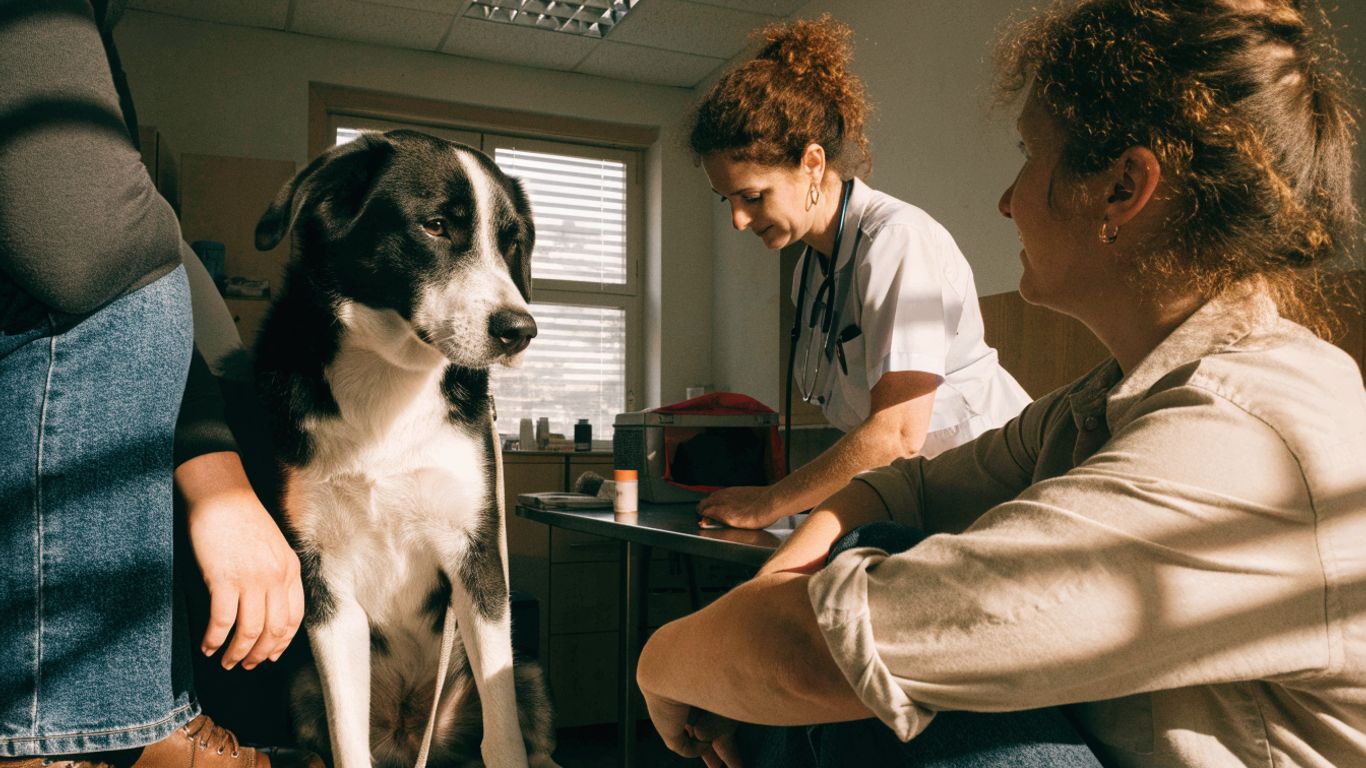
Diagnosis begins with a conversation and physical examination, then proceeds according to the suspected tissue, location, and urgency. The process may be straightforward for a superficial mass or more involved for a suspected internal tumor. Your veterinarian should explain what each test can and cannot answer.
Physical examinations and medical history
The veterinarian will assess the dog’s weight, body condition, skin, lymph nodes, abdomen, movement, gums, and overall behavior. They may ask when a change began, whether it is growing, and whether appetite, thirst, breathing, or bathroom habits have shifted.
Bring medication details, previous records, photographs, and observations from home. Small details can help distinguish a stable problem from a rapidly changing one.
Blood tests and diagnostic imaging
Blood and urine tests can show anemia, inflammation, organ dysfunction, or other clues. They do not usually identify cancer by themselves. X-rays, ultrasound, CT, or other imaging can reveal masses, bone changes, fluid, or possible spread.
Testing is selected for the question at hand. A chest image may assess the lungs, while abdominal ultrasound can examine organs and guide sampling.
Fine-needle aspiration and biopsy
A fine-needle aspiration removes cells from a lump for examination and may be possible with minimal restraint. A biopsy removes a larger tissue sample and can provide more information about tumor architecture and grade. Some masses require sedation or surgery for safe sampling.
The safest method depends on location, bleeding risk, size, and the dog’s condition. Do not assume that a needle sample is always sufficient or that surgery is always the first step.
Staging cancer and checking for spread
Once cancer is suspected or confirmed, staging estimates how far it has progressed. It may include examination of nearby lymph nodes, chest imaging, abdominal imaging, and laboratory tests. The exact workup varies by tumor type and by the treatment being considered.
A stage is not a simple prediction of one dog’s future. It helps the veterinary team compare options, discuss likely benefits, and plan care more clearly.
Why only testing can confirm a diagnosis
Symptoms and images can raise suspicion, but they cannot reliably identify every tumor. Benign growths, infections, cysts, and inflammatory conditions may resemble cancer. Conversely, a dangerous tumor can be easy to overlook from the outside.
Testing replaces guesswork with information about cell type, behavior, and sometimes grade. That information supports safer decisions than relying on appearance or internet comparisons.
Can cancer in dogs be prevented or treated?
There is no universal way to prevent canine cancer, and no treatment fits every diagnosis. Still, owners can reduce some avoidable risks, seek care early, and work with a veterinary team to match treatment to the dog’s disease and circumstances. The aim is usually both longer survival and comfortable, meaningful time.
Steps that may reduce avoidable risks
Practical risk reduction does not require perfect control over a dog’s life. Helpful habits include:
- Keep tobacco smoke and unsecured chemicals away from the dog.
- Maintain a healthy body condition with measured food and regular activity.
- Protect lightly pigmented skin from excessive sunlight.
- Follow veterinary advice for preventive care and reproductive decisions.
- Arrange an examination for a new, persistent, or changing abnormality.
These steps support general health but cannot eliminate inherited risk or random cellular changes. That distinction matters because cancer is not proof that an owner made one wrong choice.
The role of routine veterinary checkups
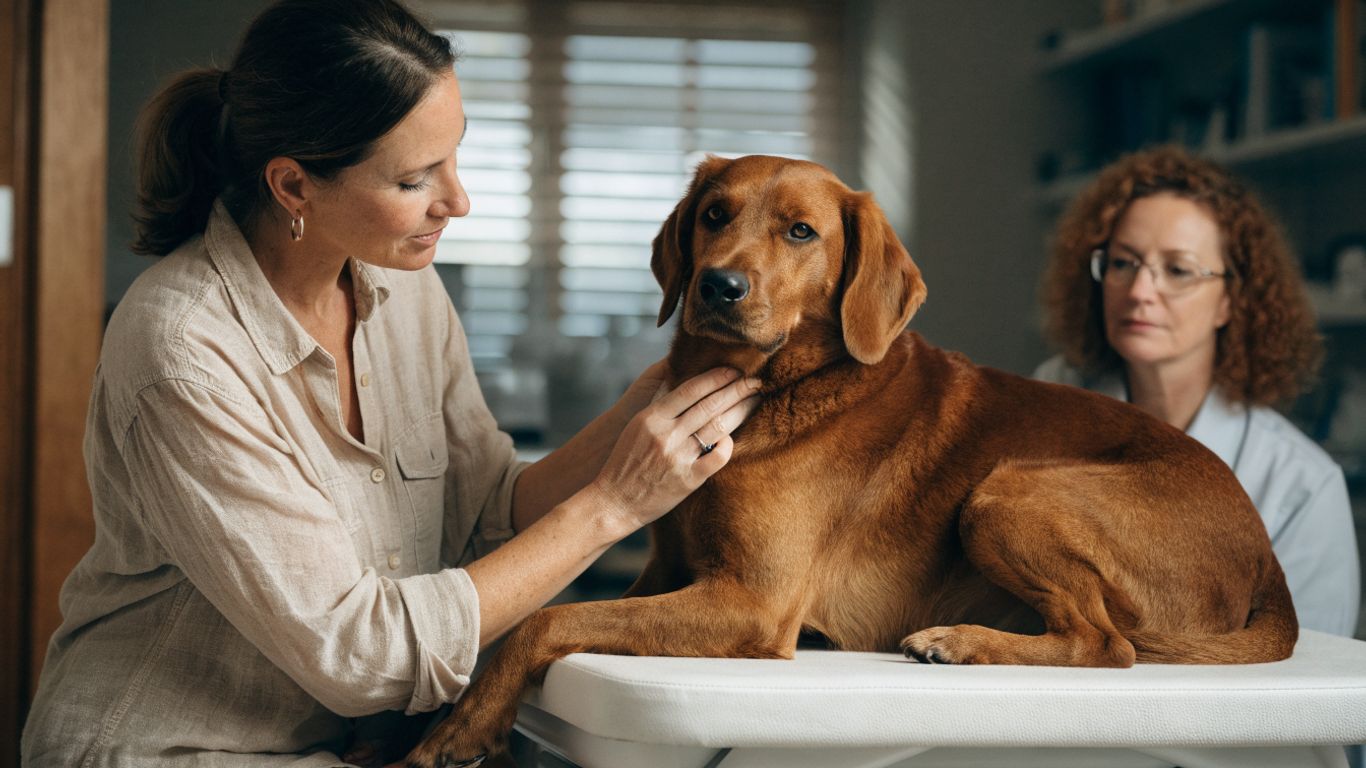
Routine visits give a veterinarian a chance to compare weight, examine the skin and lymph nodes, and notice subtle changes before they become obvious at home. Older dogs or dogs with known breed-related concerns may benefit from a more individualized schedule.
Between visits, gentle hands-on checks can help you notice new lumps, swelling, pain, or changes in mobility. Keep the approach calm and stop if the dog seems uncomfortable.
Surgery, chemotherapy, radiation, and immunotherapy
Treatment may involve surgery, chemotherapy, radiation, immunotherapy, targeted medication, supportive care, or a combination. Surgery can remove a localized tumor; other treatments may address microscopic disease or tumors that cannot be removed completely. Veterinary oncology teams adjust protocols for canine patients.
For a broader overview of canine cancer treatment, including commonly discussed therapies, use reliable veterinary information and then review the options with your dog’s care team. Treatment safety and evidence should be assessed for the specific diagnosis.
How treatment decisions depend on tumor type and stage
The tumor’s location, cell type, grade, stage, surgical accessibility, and response to therapy all influence recommendations. A dog’s age, other medical conditions, temperament, and ability to travel for appointments matter too. Sometimes the most sensible plan is active treatment; sometimes monitoring or comfort-focused care is kinder.
Ask what the treatment is intended to achieve, how it will be monitored, which side effects are expected, and what alternatives exist. Regulatory information about approved pet cancer treatments can add context, but it does not substitute for case-specific veterinary advice.
Quality-of-life considerations for dogs with cancer
Quality of life includes comfort, appetite, sleep, mobility, interest in family, and the ability to enjoy familiar routines. Keep a simple daily record of good days and difficult days, since gradual change can be hard to recognize in the moment.
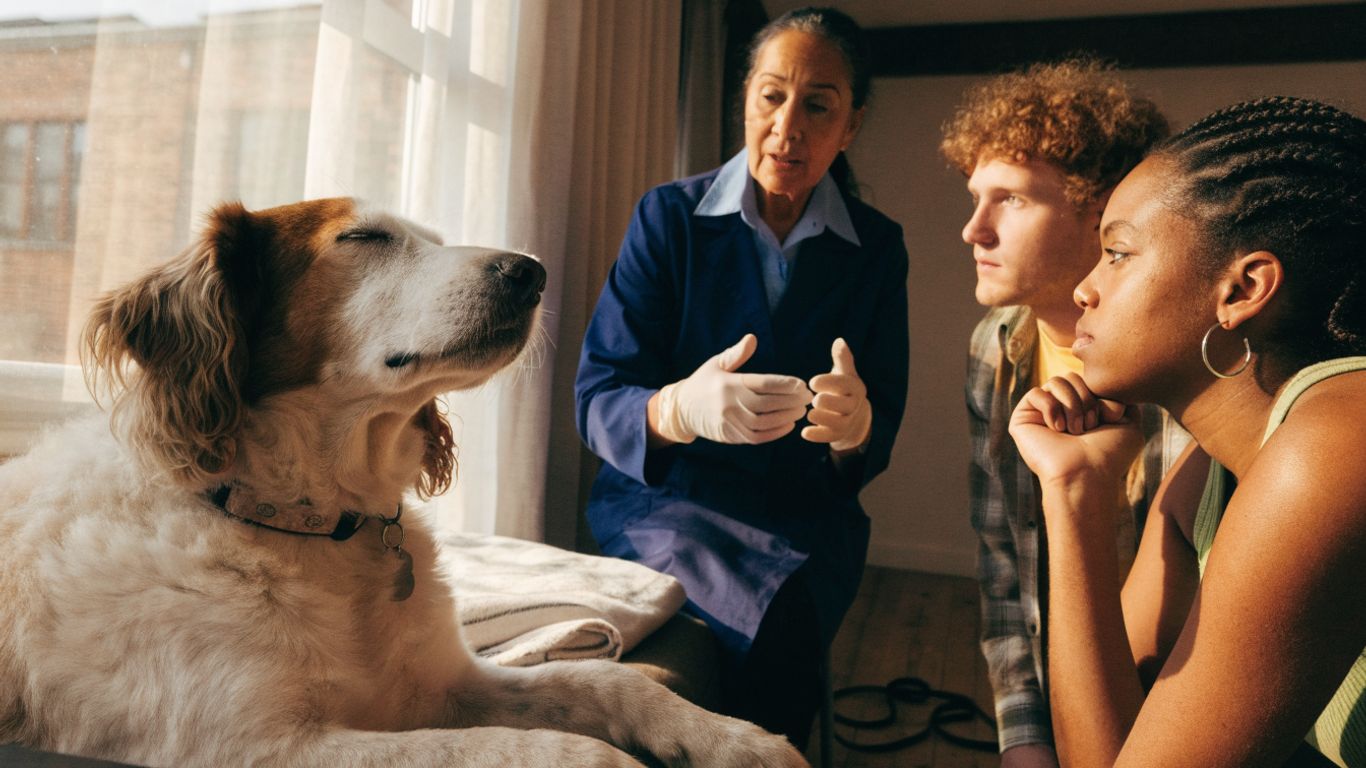
A palliative plan may include pain control, nausea relief, nutrition support, wound care, and adjustments to the home. Honest conversations with the veterinary team can help a family make decisions that respect both the dog’s needs and the realities of care.
Conclusion
Dogs develop cancer through complex interactions among cellular changes, age, genetics, environment, and chance. While prevention is limited, careful observation, routine veterinary care, timely testing, and individualized treatment can make a meaningful difference. A concerning sign is a reason to seek information—not a reason to assume the worst.
Frequently Asked Questions
Why do dogs get cancer?
Cancer develops when cells acquire changes that make them grow or survive abnormally. Aging, inherited traits, environmental exposures, body condition, and chance may all contribute, but the cause is often not identifiable in one dog.
Can young dogs get cancer?
Yes. Cancer is more common with age, but young dogs can develop tumors too. A persistent lump, unexplained illness, or sudden change should be evaluated regardless of age.
Does every lump on a dog mean cancer?
No. Many lumps are benign, such as cysts or fatty growths, while some malignant tumors are small or visually ordinary. A veterinary examination and appropriate sampling are needed to tell the difference.
What are common warning signs of cancer in dogs?
Possible signs include a growing or changing lump, unexplained weight loss, persistent fatigue, appetite changes, ongoing vomiting or coughing, non-healing sores, pain, lameness, swelling, or sudden weakness.
Can spaying or neutering prevent cancer?
Reproductive history can affect the risk of some tumors, especially mammary tumors, but the relationship depends on timing, sex, breed, and individual health. Discuss the benefits and tradeoffs with a veterinarian.
How is cancer confirmed in a dog?
Veterinarians may use physical examination, blood tests, imaging, fine-needle aspiration, and biopsy. A tissue or cell sample is often needed to identify the tumor accurately.
Is cancer treatment worthwhile for dogs?
That depends on the cancer, stage, available treatment, expected benefit, side effects, cost, and the dog’s quality of life. Veterinary teams can help families weigh comfort and meaningful time alongside disease control.



Leave a Reply