
Key Takeaways
Cancer can look different from one dog to another, and many warning signs also occur with less serious illnesses. Watch for changes that persist, worsen, or appear alongside other symptoms, and contact a veterinarian rather than trying to diagnose the cause at home.
- New or changing lumps should be examined, even when they do not seem painful.
- Weight loss, appetite changes, tiredness, and altered bathroom habits deserve attention when they persist.
- Breathing trouble, collapse, severe pain, or uncontrolled bleeding can require emergency care.
- A veterinarian may use an examination, bloodwork, imaging, and a biopsy to investigate cancer.
- Written notes, photos, and prompt communication can make the diagnostic process easier.
1. How cancer symptoms can appear in dogs
The symptoms of cancer in dog owners notice first are often ordinary-looking changes: a little less energy, a new lump, or a shift in appetite. These signs can have many explanations, including infection, aging, injury, or digestive upset. The useful question is not whether one sign proves cancer, but whether a change is unusual for your dog and continues over time.
Why early signs are often easy to miss
Dogs frequently hide discomfort, and small changes can blend into a normal day. A dog that naps more, eats slightly less, or moves cautiously may not seem obviously ill at first. Comparing your dog with their own usual behavior is often more helpful than comparing them with another dog.
The difference between general and cancer-specific symptoms
Most warning signs are general rather than unique to cancer. Weight loss, vomiting, coughing, weakness, and skin changes can arise from numerous conditions, so they need context and veterinary interpretation. A useful overview of commonly reported warning signs is available in this early cancer signs guide, but online information cannot replace an examination.
How age, breed, and health history affect risk
Cancer can occur in dogs of any age, although the likelihood of many diseases changes as dogs grow older. Breed, inherited tendencies, previous illness, medications, and past lumps or surgeries may also influence what a veterinarian considers. Share the full health history, even when an older problem seems unrelated.
Why one symptom does not confirm cancer
A single symptom is a reason to observe and ask questions, not a diagnosis. Even a firm mass may be benign, while some serious disease begins with signs that are difficult to see. Prompt evaluation provides clarity and can also identify noncancerous problems that need treatment.
2. Visible symptoms of cancer in dogs
Changes on the outside of the body are often easier to notice than internal symptoms. Run your hands gently over your dog during routine grooming and look for differences in size, color, texture, or smell. Do not squeeze a lump or apply medication before a veterinarian has assessed it.

New lumps, bumps, or rapidly growing masses
A new lump under the skin may be harmless, but it still deserves a veterinary check, especially if it grows quickly, becomes firm, changes shape, or seems attached to deeper tissue. Note where it is and whether your dog reacts when it is touched. Touch alone cannot determine whether a mass is cancerous.
Nonhealing wounds and unusual skin changes
A sore that does not heal, repeatedly crusts, or keeps reopening should be examined. Persistent redness, thickening, discoloration, swelling, or a sudden change in a mole can also warrant attention. Itching and irritated skin are more commonly associated with allergies or other dermatologic problems; this dog allergy guide explains why a proper veterinary assessment matters.
Swollen lymph nodes and unexplained body changes
Lymph nodes may feel enlarged beneath the jaw, in front of the shoulders, behind the knees, or in the groin. Other unexplained changes can include a visibly enlarged body area or a new asymmetry. Because normal anatomy varies, ask a veterinarian to confirm what you are feeling rather than relying on a home check.
Abnormal bleeding or discharge
Blood from the nose, mouth, urine, stool, skin, or reproductive tract is not normal and should be discussed with a veterinarian. Discharge with a strong odor, swelling, or repeated recurrence adds urgency. Bleeding can have many causes, but it should never be dismissed simply because it stops temporarily.
3. Changes in your dog’s behavior and daily habits
A dog’s routine can reveal illness before a physical change is obvious. Pay attention to meals, sleep, walks, drinking, urination, bowel movements, and the ways your dog seeks contact. Patterns are especially useful: a brief off day is different from a change that lasts or steadily worsens.
Loss of appetite, weight, or interest in food
Reduced appetite may follow stress, dental pain, infection, medication, or digestive disease, but persistent loss of interest in food needs attention. Unplanned weight loss is also concerning, particularly when your dog is eating normally or drinking more. Weigh your dog when possible and tell the veterinarian how quickly the change occurred.
Persistent tiredness, weakness, or reduced activity
A dog that stops joining familiar activities, tires quickly, or struggles to rise may be experiencing pain, anemia, heart or lung disease, or another systemic problem. Weakness is more concerning when it is new, progressive, or paired with pale gums, appetite loss, or weight loss. Do not assume these changes are simply age-related.
Changes in bathroom habits
Straining, urinating more often, having accidents, producing unusually small amounts of urine, or showing blood in the urine should be reported. Repeated diarrhea, constipation, black stool, or difficulty passing stool can also signal a problem. Record timing and appearance without delaying care for a severe symptom.
New pain, restlessness, or difficulty getting comfortable
Pain may appear as panting at rest, reluctance to climb stairs, repeated position changes, guarding one area, or unusual irritability. Some dogs become withdrawn rather than vocal. A veterinarian can help distinguish pain from anxiety and recommend safe relief; human pain medicines can be dangerous for dogs.
4. Body symptoms that may require veterinary attention
Internal disease may show up through breathing, digestion, movement, gum color, or the shape of the abdomen. These signs are not automatically cancer, but they can indicate conditions that should not wait for a routine checkup. Consider how sudden the symptom is, how severe it seems, and whether several signs are occurring together.

Ongoing coughing or trouble breathing
A cough that persists, worsens with activity, or occurs with reduced stamina should be evaluated. Rapid breathing, noisy breathing, open-mouth breathing at rest, or blue-tinged gums is more urgent. Coughing can result from airway, heart, infectious, or other problems, so a diagnosis requires an examination.
Vomiting, diarrhea, or digestive problems
Occasional digestive upset may resolve, but repeated vomiting, ongoing diarrhea, appetite loss, abdominal discomfort, or weight loss calls for veterinary advice. Blood in vomit or stool and an inability to keep water down increase concern. A veterinarian may need details about food, medications, frequency, and stool appearance.
Limping, stiffness, or difficulty walking
Persistent lameness, swelling over a limb, reluctance to bear weight, or worsening stiffness should be checked. Dogs may compensate for pain until movement becomes clearly abnormal. Keep activity gentle and avoid forcing exercise while you arrange an appointment.
Pale gums, bloating, or sudden weakness
Lift the lip and look at the gums if your dog is calm: unusually pale or gray gums can signal a serious circulation or blood problem. A distended abdomen, sudden weakness, or fainting also deserves urgent attention. These signs can be caused by several emergencies, including internal bleeding, and should not be monitored casually at home.
5. When symptoms may be an emergency
Some warning signs require immediate veterinary guidance rather than a next-day appointment. Cancer is only one possible cause of an emergency, and the priority is stabilizing the dog and identifying what is happening. If you are unsure, call an emergency veterinary clinic and describe the symptoms clearly.
Signs of severe breathing difficulty
Seek urgent care for struggling to breathe, blue or gray gums, repeated choking-like distress, or breathing that remains very fast while your dog is resting. Keep your dog quiet and cool during transport. Avoid putting anything in the mouth unless a veterinary professional instructs you to do so.
Collapse, uncontrolled bleeding, or extreme weakness
Collapse, inability to stand, heavy bleeding, or rapidly worsening weakness is an emergency. Apply gentle pressure with clean cloth to external bleeding if your dog permits it, but do not delay transport to keep changing the dressing. Internal bleeding may occur without visible blood.
Sudden abdominal swelling or intense pain
A suddenly enlarged abdomen, retching without producing vomit, severe restlessness, or intense pain needs immediate attention. Do not offer food, medication, or large amounts of water while waiting for instructions. Move your dog carefully and minimize pressure on the abdomen.
What to do while arranging urgent veterinary care
Call ahead, describe the onset and severity, and follow the clinic’s directions. Bring medication details and any relevant records, and use a blanket or carrier to support a weak dog. If the situation is not immediately life-threatening but you are worried about a possible diagnosis, general information about cancer in pets may help you prepare questions without substituting for care.
6. How veterinarians investigate possible cancer
A cancer workup is usually a step-by-step process rather than one single test. The veterinarian begins with the history and physical examination, then chooses tests based on the signs and findings. The goal is to identify the cause, understand how extensive it may be, and choose options suited to the individual dog.
What information to record before the appointment
Write down when each change began, whether it is worsening, and what seems to trigger or relieve it. Include appetite, weight, drinking, urination, stool, vomiting, activity, pain behaviors, and any new products or medications. Photos and short videos can be useful when a symptom comes and goes.
Physical exams, blood tests, and imaging
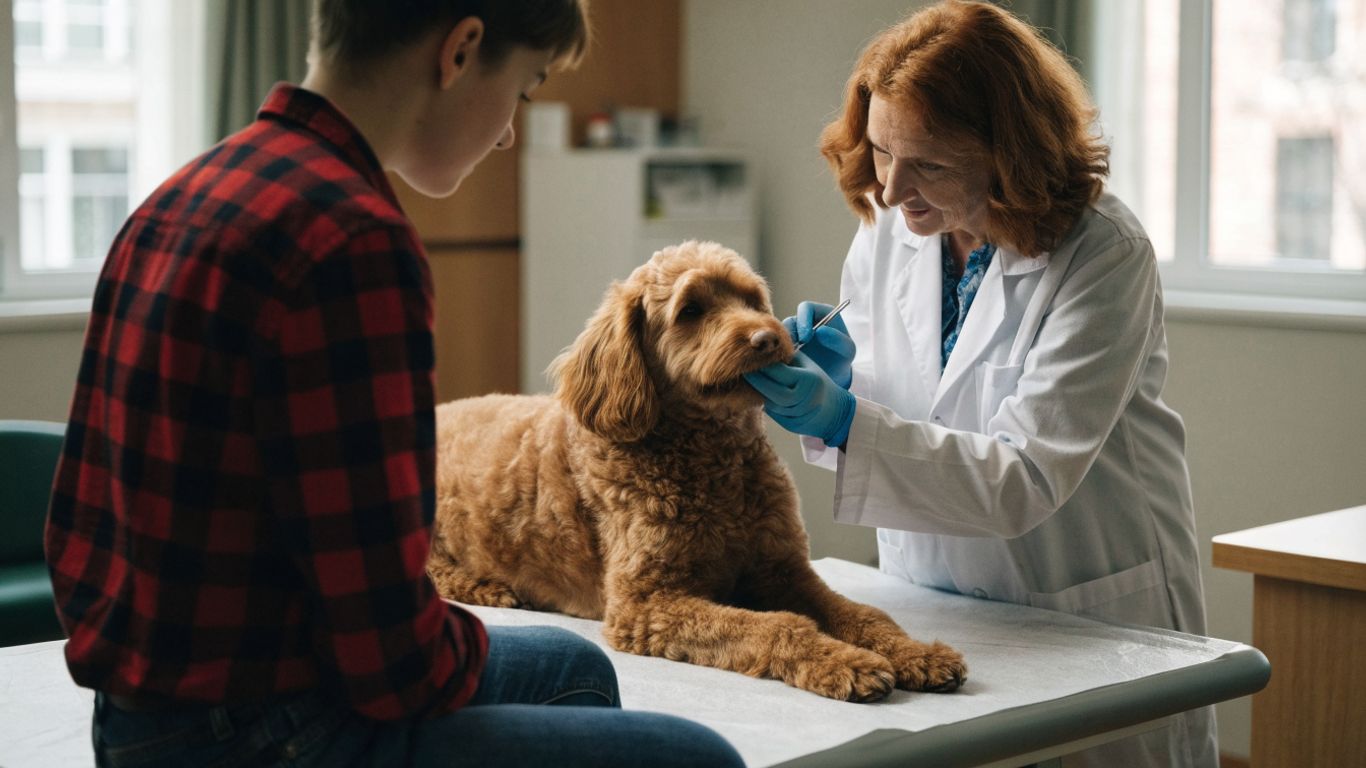
A veterinarian may feel the skin and lymph nodes, listen to the heart and lungs, inspect the mouth, and assess movement. Blood and urine tests can provide information about organ function, inflammation, and blood cells. X-rays, ultrasound, or other imaging may help locate a mass or reveal changes that cannot be found by touch.
| Investigation | What it may help clarify | Why context matters |
|---|---|---|
| Physical examination | Location, size, pain, and general condition | Findings vary with the dog and the body area |
| Blood or urine testing | Organ function and blood-cell changes | Results are not usually cancer-specific |
| Imaging | Internal structures and possible spread | Different scans answer different questions |
| Tissue sampling | The identity and behavior of abnormal cells | The sample must represent the concerning area |
These tests narrow the possibilities, but an abnormal result does not automatically mean cancer. The veterinarian will interpret the findings together and explain what should happen next.
Biopsies and other tests used for diagnosis
A fine-needle sample may collect cells from a lump, while a biopsy collects a larger piece of tissue. A laboratory pathologist examines the sample and may perform additional testing to classify the disease. In some cases, sampling nearby lymph nodes or other areas helps determine whether disease has spread.
Why treatment decisions depend on the cancer type and stage
Treatment depends on what the tumor is, where it is located, whether it has spread, and your dog’s overall health. Options may include surgery, medication, radiation, supportive care, or a combination, but the veterinarian should explain the likely benefits, risks, costs, and effect on quality of life. Information about how veterinary cancer treatments are evaluated can be found in this veterinary treatment resource.
7. What dog owners can do after noticing a warning sign
Noticing a possible warning sign can be frightening, but practical steps make the next conversation more useful. Arrange care according to severity, keep your dog comfortable, and avoid assuming the worst before testing. Good records can also reduce the chance that an important detail is forgotten.
Monitoring changes with photos and written notes
Photograph a visible lump beside a ruler or familiar object, using the same angle and lighting when possible. Record measurements, appetite, activity, bathroom habits, and medication doses. A simple timeline can help the veterinarian see whether the change is stable, intermittent, or progressing.
Avoiding delays or unproven home treatments
Do not puncture a mass, use leftover antibiotics, give human pain medicine, or rely on supplements as a substitute for diagnosis. Call sooner if your dog stops eating, becomes weak, has trouble breathing, or develops significant pain. Early communication is safer than waiting for a home treatment to work.
Questions to ask the veterinarian
Bring a short list so stress does not make you forget what matters. Useful questions include:
- What are the most likely causes of these signs?
- Which test should come first, and what will it tell us?
- How quickly do we need results or treatment?
- What changes should prompt an emergency call?
Clear answers can help you make decisions without feeling rushed. If a diagnosis is confirmed, ask how the condition may affect comfort, daily function, and the time available for each choice.
Supporting your dog during testing and treatment
Keep meals, rest, and medication routines as consistent as possible, unless the veterinarian recommends otherwise. Use soft bedding, limit strenuous activity, and watch for changes in comfort or appetite. Practical planning matters too; resources about supporting a family member, online fitness training, a beach club day, or Natural Escort are unrelated to veterinary care, so do not let general lifestyle advice replace instructions from your dog’s medical team.
Conclusion
A new lump, changing routine, or persistent physical symptom does not confirm cancer, but it does give you a reason to pay attention. Track what you see, contact your veterinarian, and seek emergency help for severe breathing trouble, collapse, uncontrolled bleeding, sudden swelling, or intense pain. Careful observation and timely professional advice are the most useful steps a dog owner can take.
Frequently Asked Questions
What are the most common symptoms of cancer in dogs?
Common warning signs include new lumps, unexplained weight loss, appetite changes, persistent tiredness, nonhealing wounds, coughing, digestive problems, lameness, abnormal bleeding, and changes in bathroom habits. These signs also occur with many noncancerous conditions.
Can a harmless lump look like cancer?
Yes. Some benign growths can resemble more serious masses, and appearance or touch alone cannot reliably identify a tumor. A veterinarian may recommend sampling or monitoring based on its size, location, growth, and other findings.
Are older dogs more likely to develop cancer?
Risk generally changes with age, but cancer can affect dogs at any stage of life. Breed, inherited traits, previous health problems, and the type of disease also influence risk.
Should I wait if my dog still seems happy?
A happy dog can still have an early or internal illness. If a symptom persists, grows, returns repeatedly, or is paired with weight loss or weakness, arrange a veterinary evaluation rather than relying on mood alone.
When is a lump an emergency?
A lump itself is not usually an emergency, but rapid enlargement, severe pain, active bleeding, breathing difficulty, collapse, or sudden weakness requires urgent veterinary advice. Call ahead to an emergency clinic when those signs occur.
How is cancer diagnosed in a dog?
Veterinarians may combine a physical examination with blood or urine tests, imaging, and a fine-needle sample or biopsy. Tissue analysis is often needed to identify the type of abnormal growth.
What should I bring to a veterinary appointment?
Bring medication and supplement details, relevant medical records, photos, videos, measurements, and a timeline of symptoms. Note changes in appetite, drinking, elimination, movement, sleep, and behavior.





Leave a Reply