
Key Takeaways
A swollen lymph node is a reason to pay attention, but it is not a diagnosis. A veterinarian can help determine what is causing the change and what, if anything, needs to happen next.
- Lymph nodes can enlarge because of cancer, infection, or other immune responses.
- Lumps near the jaw, shoulders, armpits, groin, or knees may be lymph nodes, but a veterinary exam is needed to tell.
- Appetite, energy, weight, and other changes can add useful context.
- Sampling a node and performing other tests can help identify the cause and assess whether disease has spread.
- Treatment and outlook depend on the specific diagnosis, its extent, and the dog’s overall health.
How lymph nodes relate to cancer in dogs
Lymph nodes are small structures in the immune system, and changes in their size can draw a caregiver’s attention. They may enlarge when the body is responding to infection, inflammation, or cancer, so a change alone does not tell you which is happening. Understanding where nodes are and what they do can make it easier to describe what you notice to a veterinarian. In discussions of cancer in dogs lymph nodes, the key is to investigate a change rather than guess at its cause.
Where a dog’s lymph nodes are located
Some lymph nodes sit close enough to the skin that a veterinarian may feel them during an exam. Often-checkable areas include beneath the jaw, in front of the shoulders, in the armpits, in the groin, and behind the knees. Other nodes are deeper in the chest or abdomen and cannot be assessed by touch alone. A lump in one of these areas may also be something other than a lymph node, so avoid treating location as proof.
How lymph nodes help the immune system
Lymph nodes are part of a network that helps the body respond to threats. They contain immune cells and interact with lymph, a fluid that moves through lymphatic vessels. When the immune system is active, nodes may change in size or feel different. That response can happen for several reasons, which is why a swollen node needs context from an examination and, sometimes, testing.
Cancers that can affect lymph nodes
Lymphoma begins in lymphocytes, a type of immune cell, and can involve lymph nodes. Other cancers can also affect lymph nodes, including when cancer cells move there from a different site. The pattern of involvement and the type of cells matter: the word “cancer” does not describe one uniform disease. A veterinarian may explain the possible types and tests after assessing the dog; an overview of lymphoma diagnosis and staging offers further background.
Why enlarged lymph nodes do not always mean cancer
An enlarged node can be a response to infection or inflammation, among other possibilities. Its size, firmness, or position may help a veterinarian decide what to investigate, but none of those features can confirm a diagnosis by itself. The distinction matters because similar-looking changes can call for very different next steps. A veterinary assessment helps avoid both unnecessary alarm and a delay in finding a problem that needs care.
Signs to watch for
A lymph node change may be the only visible sign at first, and some dogs continue to act normally. Others may have changes in appetite, activity, or body weight, or develop signs that depend on which parts of the body are affected. Noticeable changes are worth recording even when they seem mild. A short visual guide can help owners understand what signs might prompt a veterinary conversation.

Swelling you may be able to feel
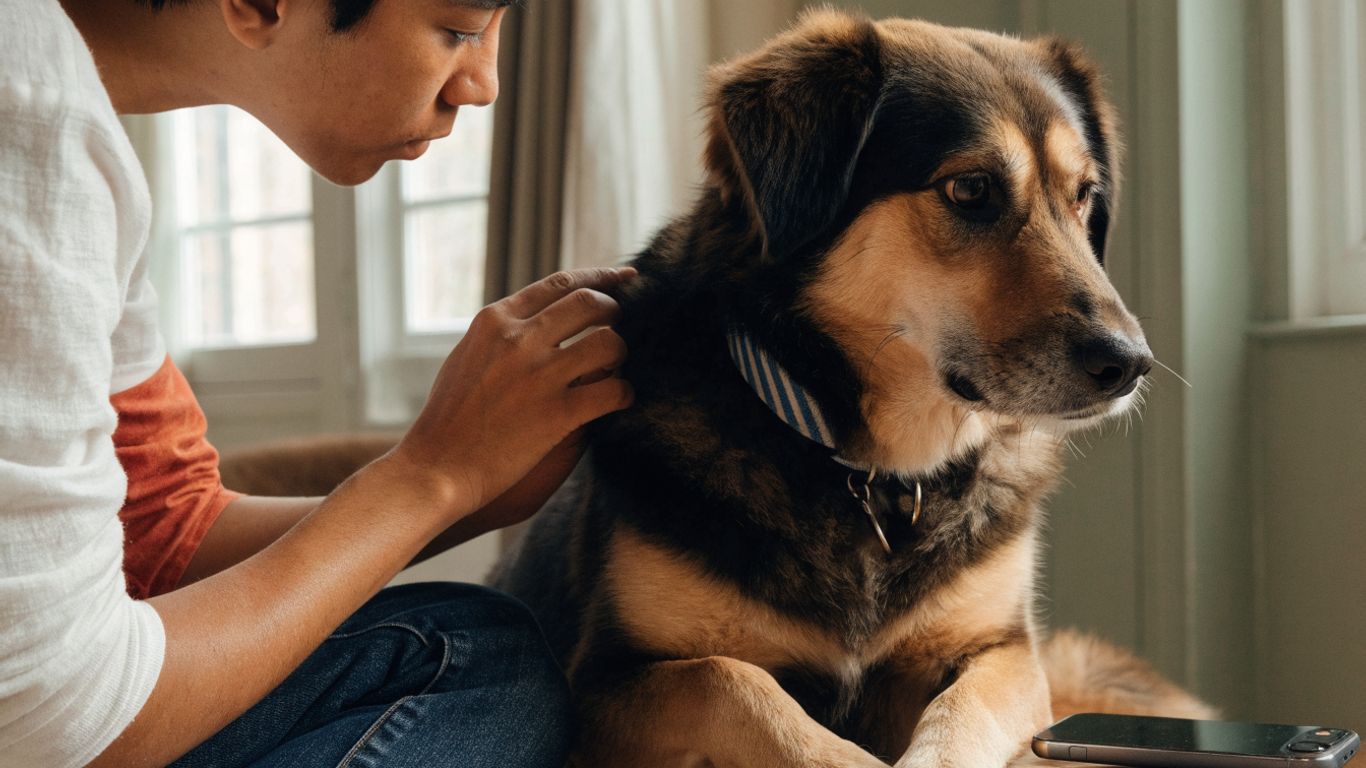
A new lump beneath the jaw, in front of a shoulder, in the armpit or groin, or behind a knee may be an enlarged lymph node. Compare both sides gently, but do not squeeze or repeatedly handle the area; that will not identify the cause and may make your dog uncomfortable. It can help to note when you first noticed the swelling and whether it seems to be changing. A vet can check whether the lump is a lymph node or another kind of tissue change.
Changes in appetite, energy, or weight
Some dogs with a health problem show only subtle changes in their usual routines. Eating less, seeming less energetic, or losing weight without an obvious reason can add important context to a newly noticed lump. Keep track of when a change started and whether it is steady, improving, or worsening. These details help a veterinarian assess the whole picture rather than focusing on the lump alone.
Other symptoms that may occur with cancer
Signs vary with the type and location of disease, and they are not unique to cancer. A dog might have vomiting, diarrhea, weakness, increased thirst or urination, or difficulty breathing, among other changes. Some signs may relate to a separate health issue, so their presence does not establish a cancer diagnosis. The combination of symptoms, examination findings, and test results is more informative than any single sign.
When to contact a veterinarian promptly
Contact a veterinarian when you find a new or growing lump, or when your dog has persistent changes in appetite, energy, or weight. Seek urgent veterinary advice for difficulty breathing, collapse, marked weakness, or another sudden and severe change. When you call, explain what you noticed, when it began, and whether your dog seems otherwise unwell. If you are unsure how quickly your dog needs to be seen, the clinic can help you decide what to do.
Possible causes of enlarged lymph nodes
Enlarged nodes have more than one possible explanation. Cancer is one, but infections and immune responses can also cause changes, and examination alone may not settle the question. A veterinarian considers the dog’s history, other signs, and test findings together. The overview below shows why the same outward change can point to different lines of investigation.
Lymphoma and other cancers
Lymphoma is a cancer of lymphocytes and may involve one or more lymph nodes. Other cancers can affect nodes as well, either as part of the original disease or after cancer cells spread from elsewhere. The distinction between these possibilities requires examination and analysis of cells or tissue. A lump’s appearance cannot identify the cancer type.
Infections and immune responses
The immune system can cause nodes to enlarge as it responds to infection or inflammation. The location of the change, the dog’s recent health history, and any accompanying symptoms may help guide a veterinarian’s questions, but they do not confirm a cause. Some dogs may have a node change without looking seriously ill. If the swelling persists or your dog seems unwell, ask a veterinarian whether an exam is appropriate.
Why appearance alone cannot identify the cause
A veterinarian may weigh several possibilities when assessing an enlarged node. These examples are broad patterns, not a way to diagnose a dog at home; similar findings can occur for different reasons.
| Possible explanation | What a veterinarian may consider | Why a test may be needed |
|---|---|---|
| Lymphoma | Whether lymphoid cells are involved | Cell or tissue analysis can identify the disease |
| Another cancer | Whether disease may have reached a node | Sampling and additional testing can clarify the pattern |
| Infection | The dog’s history and signs of illness | Examination and targeted tests may help identify a cause |
| Immune response or inflammation | Whether the node is reacting to another process | Follow-up may be needed if the change continues |
These categories are starting points, not conclusions. A veterinarian can recommend which test is most useful based on the node, the dog’s condition, and what other findings are present.
How veterinarians investigate lymph node changes
An investigation usually begins with a conversation and physical examination, followed by tests chosen for the individual dog. The aim is to find out what the changed node contains and whether there are other affected areas or health concerns. Not every dog needs every available test. A lymph node evaluation guide also explains why new swelling merits veterinary attention.

Physical examination and medical history
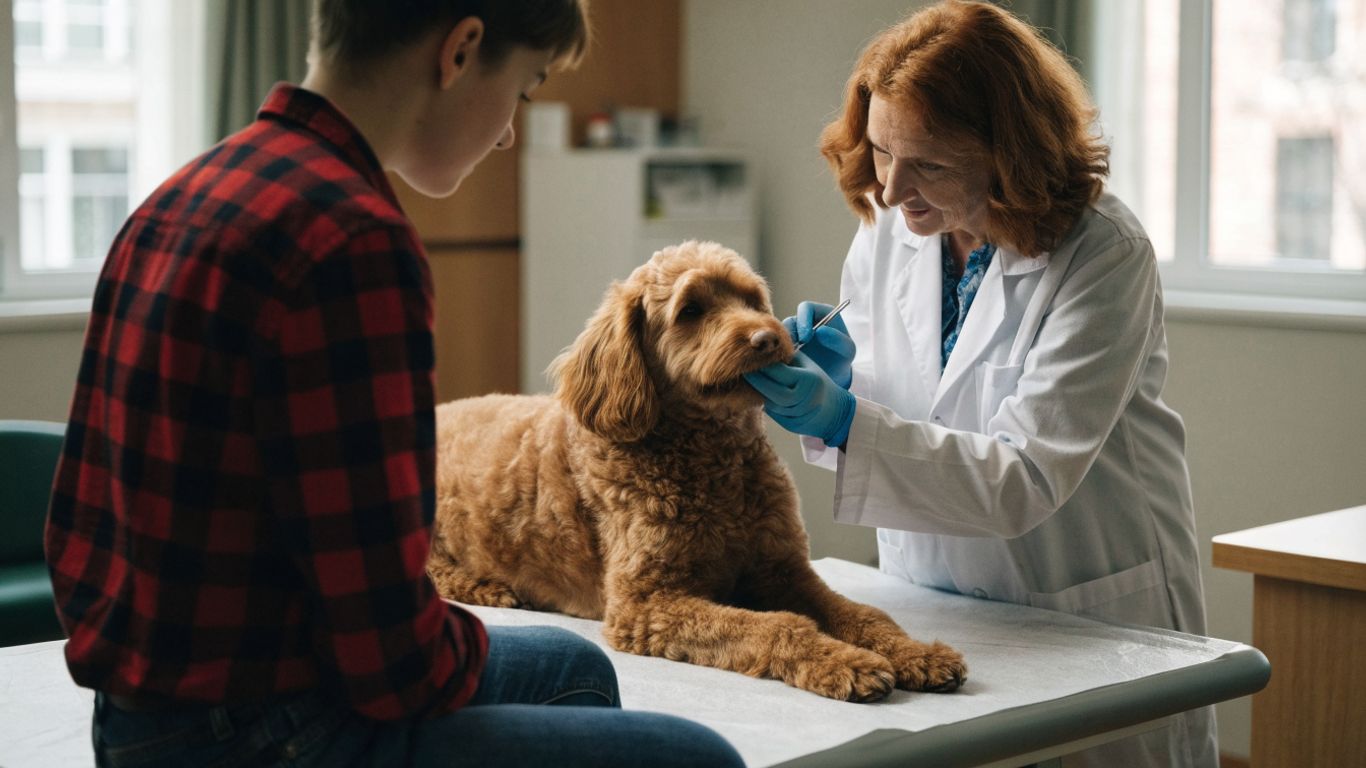
The veterinarian may ask when the swelling appeared, whether it has changed, and whether the dog has had other symptoms or recent health issues. They will examine the lump and may feel other accessible lymph nodes, as well as assess the dog’s general condition. Information about appetite, energy, and weight can help make the exam more meaningful. Bring any notes about changes you have observed, including when they began.
Fine-needle sampling and biopsy
A fine needle can collect cells from a node for examination. This sampling may help distinguish among causes, though sometimes the result is not enough to make a firm diagnosis. A veterinarian may then discuss a biopsy, which collects a tissue sample for closer assessment. The choice depends on the initial findings and the question the veterinary team is trying to answer.
Blood tests and imaging
Blood tests can provide information about a dog’s general health and help guide decisions about further investigation or treatment. Imaging, such as radiographs or ultrasound, may help assess areas inside the body that cannot be checked by touch. The appropriate tests vary from case to case. Your veterinarian can explain what each test is intended to clarify and how the result might affect the next step.
Tests that help determine whether cancer has spread
If cancer is diagnosed or strongly suspected, a veterinarian may recommend additional tests to learn how extensively it is affecting the body. The plan depends on the cancer type and the dog’s circumstances; testing might include further imaging or sampling of other tissues. This process helps inform treatment discussions rather than predicting an individual outcome with certainty. Ask which findings are confirmed and which remain uncertain after each stage of testing.
Treatment options for cancer involving lymph nodes
Treatment is not one-size-fits-all. It depends on the type of cancer, how extensive it is, the dog’s overall health, and the goals of care. A veterinarian may discuss more than one approach, along with potential benefits and burdens. Owners can ask how each option is expected to affect comfort and day-to-day life.
How treatment depends on the cancer type and stage
The diagnosis guides the treatment conversation: different cancers respond to different approaches, and the extent of disease can change what is recommended. The veterinarian may discuss test results, likely goals, possible side effects, and what monitoring would involve. It is reasonable to ask what is known, what is uncertain, and whether a veterinary specialist should be involved. Decisions are best made with a clear understanding of the choices for that individual dog.
Chemotherapy, surgery, and radiation
Depending on the diagnosis, options may include chemotherapy, surgery, radiation, or a combination of approaches. Which options are appropriate cannot be determined from the presence of an enlarged node alone. A veterinarian can explain the intent of treatment, the expected schedule, and the practical demands of care. The plan may change as the team learns how the disease responds.
Supportive care and managing side effects
Supportive care can be part of a treatment plan, whether or not a dog receives cancer-directed treatment. The veterinary team can advise on comfort, appetite, hydration, and how to respond to possible side effects. Keep a record of changes between appointments and contact the clinic about concerns rather than adjusting medication on your own. The best plan is one that takes both medical needs and the dog’s everyday comfort into account.
Prognosis and caring for your dog
An outlook depends on the specific diagnosis and the dog’s overall circumstances, so broad averages cannot predict exactly what will happen to one pet. A veterinarian can interpret test findings and discuss what they mean for the individual case. Care at home also matters: small observations can help the team understand how a dog is doing. Practical planning should support the dog without adding avoidable stress.
Factors that can influence outlook
Cancer type, extent of disease, general health, and response to treatment can all inform a veterinarian’s discussion of prognosis. The available information may change as additional test results come in or as treatment progresses. Ask what the current assessment is based on and when it may be useful to revisit the conversation. A range of possible outcomes is often more realistic than a precise prediction.
Monitoring symptoms and treatment response
A simple record can make changes easier to describe at appointments. Choose a few consistent observations that matter to your dog’s care, rather than trying to track everything.
- Note appetite and any meaningful change in eating or drinking.
- Record energy, mobility, and interest in familiar activities.
- Keep track of visible swelling and when you first noticed it changing.
- Write down new symptoms and questions for the veterinary team.
Patterns over time can be more useful than a single difficult day. Share the record with your veterinarian, who can help interpret it alongside examination and test results.
Supporting comfort and quality of life
A calm routine, an accessible resting place, and attention to changes in comfort can help you care for a dog during investigation or treatment. Follow the veterinary team’s advice about activity, medication, and follow-up visits, and ask before trying a new remedy. Modern Health & Lifestyle also publishes unrelated lifestyle material, including post-surgery body-brush guidance, Central Florida renovation ideas, small-business newsletter advice, Seattle managed IT guidance, and local-search platform comparisons; none of those topics is a substitute for veterinary advice. For pet care, your dog’s veterinary team is the relevant source for recommendations tailored to their condition.
Conclusion
A swollen lymph node can be unsettling, but it has several possible causes and cannot be diagnosed by appearance alone. If you notice a new lump or other lasting changes, arrange a veterinary assessment; an examination and appropriate tests can clarify what is happening and help you make informed decisions about your dog’s care.
Frequently Asked Questions
Can swollen lymph nodes in dogs mean cancer?
They can, but enlargement can also result from infection, inflammation, or another immune response. A veterinary examination and, when needed, testing are required to investigate the cause.
Where can I feel my dog’s lymph nodes?
Some accessible nodes are beneath the jaw, in front of the shoulders, in the armpits or groin, and behind the knees. A veterinarian can confirm whether a lump is a lymph node.
Should I wait to see whether a swollen node goes away?
A veterinarian can advise how soon your dog should be examined, especially if the swelling is new, growing, or accompanied by other changes. Do not rely on waiting alone to identify the cause.
Does lymphoma always make a dog seem sick?
No. Some dogs may appear well or show only subtle changes, while others develop more noticeable symptoms. The absence of obvious illness does not rule out a problem.
How do veterinarians tell what is causing an enlarged node?
They may combine a medical history and physical examination with fine-needle sampling, biopsy, blood tests, or imaging. The tests depend on the dog and the findings.
Is a needle sample the same as a biopsy?
No. Fine-needle sampling collects cells, while a biopsy collects tissue for examination. A veterinarian can explain which approach may answer the diagnostic question.
What should I track while my dog is being evaluated?
Note changes in appetite, energy, weight, swelling, and any new symptoms, along with when each change began. Share those observations with your veterinarian.



Leave a Reply