Key Takeaways
Cancer in dogs has no single explanation, and a risk factor is not a diagnosis. Age, inherited traits, body size, and some exposures may all play a part.
- Cancer becomes more likely as dogs age, while longer lives also provide more time for it to develop.
- Breed and body size can influence the likelihood of certain cancers, but they cannot predict an individual dog’s future.
- Some environmental exposures may be avoidable; healthy habits support overall well-being but cannot guarantee cancer prevention.
- Lumps, unexplained weight loss, and lasting changes in behavior or energy deserve veterinary attention.
- Regular checkups and conversations with a veterinarian can help owners make informed choices about screening and next steps.
Why cancer is common in dogs
There is no single reason cancer occurs in dogs, and the question of why do dogs get cancer so often has more than one answer. As in other animals, cancer can develop when cells grow abnormally, with age, inherited traits, and environmental influences all potentially contributing. It is also easier to recognize and diagnose some cases now that dogs receive regular veterinary care and live longer.
Cancer risk rises as dogs age
Cancer is diagnosed more often in older dogs than in younger ones. Over time, cells divide repeatedly, and the chances of changes that affect how they grow can accumulate. That does not mean every older dog will develop cancer, or that a new symptom is necessarily cancer; it does mean persistent changes merit attention. A general overview of pet cancer in dogs also discusses age alongside other possible risk factors.
Longer lifespans give more time for cancer to develop
Many dogs now live long enough for age-related diseases to become more visible. A longer life does not itself cause cancer, but it gives more time for cellular changes to arise and develop. This is one reason cancer may seem common in dogs: more pets are reaching ages when the disease is more frequently diagnosed.
Better veterinary care helps detect more cases
Regular exams and diagnostic testing can reveal conditions that might once have gone unnoticed. Increased detection can affect how often cancer is recognized, though it does not explain every change in reported diagnoses. When a veterinarian recommends a test, the purpose is to learn more about a specific concern rather than to assume that cancer is present.
How aging affects cancer risk
Aging changes many processes in the body, and cancer risk tends to rise with age. These changes are gradual, so there is no single birthday when a dog suddenly becomes high-risk. Paying attention to a pet’s usual habits and discussing new concerns with a veterinarian can make changes easier to assess.

Cell damage can build up over a lifetime
Cells naturally sustain damage as they function and replicate. The body has ways to repair damage and remove cells that are no longer working properly, but those safeguards are not perfect. With time, changes may accumulate that allow some cells to grow in an uncontrolled way. This is one possible part of cancer development, not a complete explanation of why any particular dog becomes ill.
Changes in immune function may affect tumor control
The immune system helps the body respond to threats, including abnormal cells. Immune function can change with age, and those changes may influence how effectively the body identifies and controls some tumors. The relationship is complex, though, and a dog’s immune health cannot be used to predict whether cancer will develop. Persistent tiredness or a shift in energy has many possible explanations; common causes of fatigue include issues that are not specific to cancer.
Some owners find it useful to learn how veterinarians approach cancer as a group of different diseases, rather than one condition with one cause. The overview below is a starting point, not a way to diagnose a dog at home.
New lumps or behavior changes can be harder to spot in older dogs
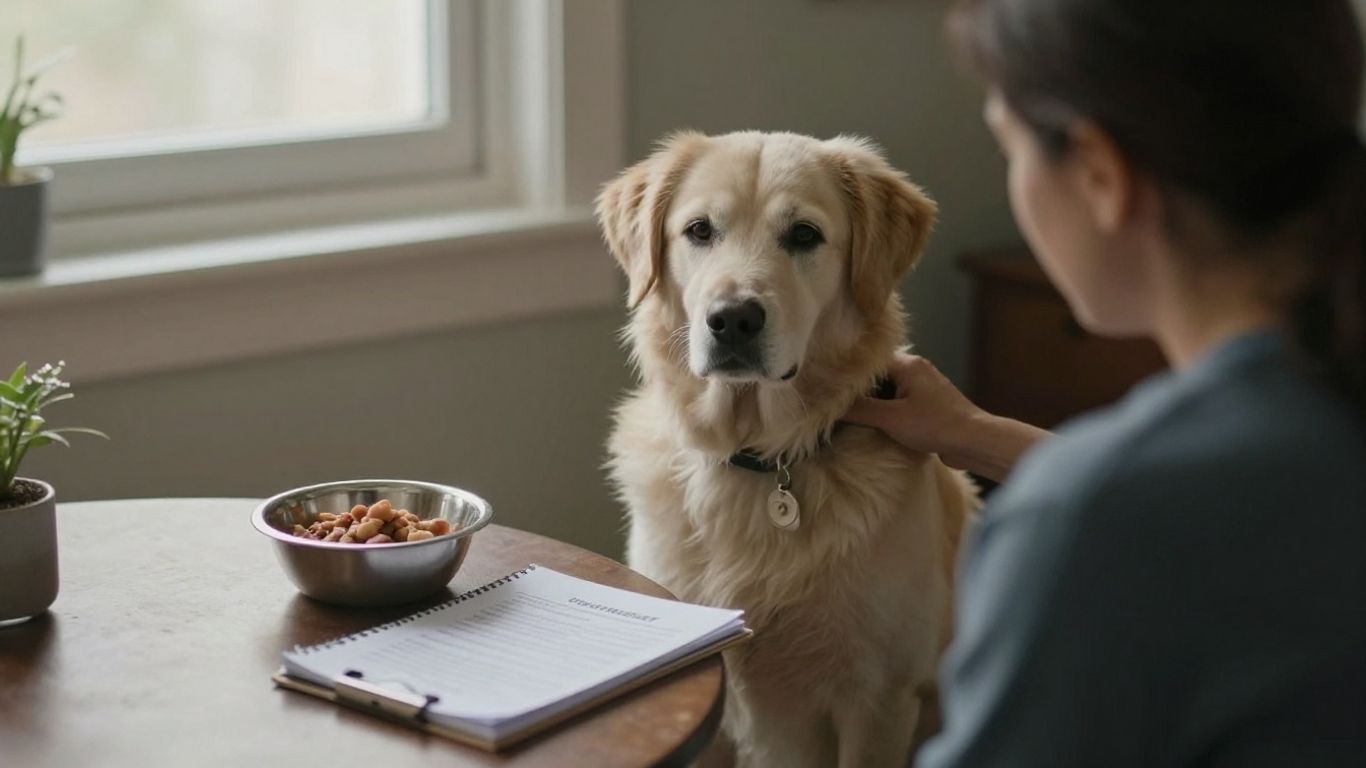
A gradual change in energy, appetite, mobility, or weight can be easy to attribute to aging. But a new or persistent change is worth mentioning to a veterinarian, particularly if it continues or worsens. Keep track of a change from baseline—what is different, when it began, and whether it is progressing—so you can describe it clearly at an appointment.
How breed and body size influence risk
Some inherited traits are associated with greater susceptibility to particular cancers, and size is relevant to certain risk patterns. These tendencies vary by cancer type and do not apply equally to every dog in a breed. Knowing a dog’s background can help shape a conversation with a veterinarian, but it cannot provide certainty about an individual animal.
Inherited traits can raise susceptibility to certain cancers
Genes influence how cells grow and how the body responds to damage, so inherited differences may affect cancer risk. Some breeds are more often associated with certain cancers, though the reasons behind those patterns are not always fully understood. A guide to breed-related cancer risks can offer context, but breed information should be considered alongside a dog’s age, health, and veterinary history.
Some cancers are more common in large and giant breeds
Certain cancers, including some bone cancers, are diagnosed more often in large and giant dogs. Size is one piece of the picture rather than a guarantee of disease. This comparison is useful for understanding broad patterns, not for predicting what will happen to an individual pet:
| Factor or pattern | What it may suggest | What it cannot tell you |
|---|---|---|
| Large or giant size | Some cancers, including bone cancers, may be more common | Whether a particular dog will develop cancer |
| Breed background | Some inherited tendencies may be relevant | A definite diagnosis or outcome |
| Older age | Cancer is diagnosed more often in older dogs | The cause of a specific symptom |
These patterns are reasons to ask informed questions, not to assume the worst. A veterinarian can interpret risk in light of the dog’s whole health picture and decide whether any follow-up is appropriate.
Breed patterns indicate risk, not certainty
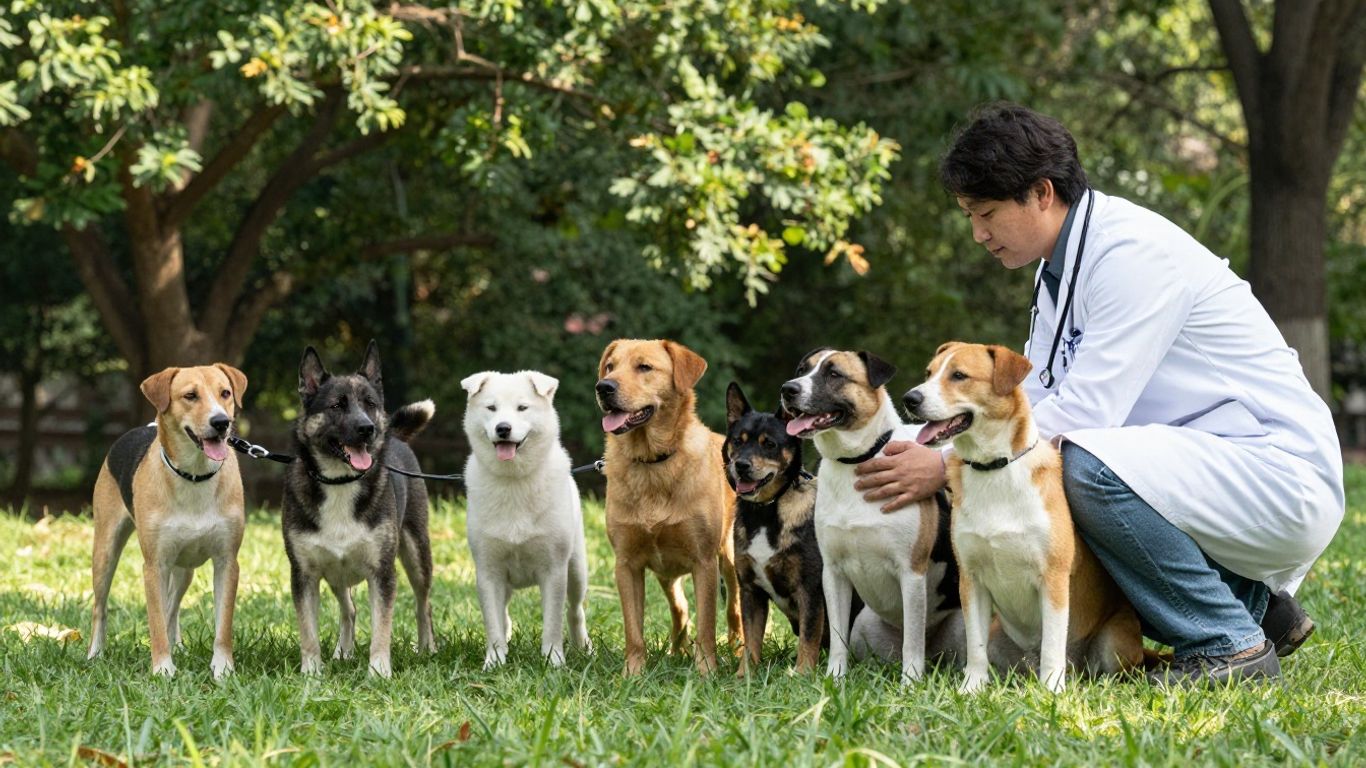
A dog may develop cancer despite having no known breed predisposition, and many dogs in breeds associated with a particular cancer never develop it. Mixed-breed dogs can also get cancer. Risk information is most useful as a prompt for observation and discussion, rather than as a prediction about an individual dog.
What environmental and lifestyle factors may contribute
Some exposures and health factors may contribute to cancer risk, although the strength of evidence varies and causes are often difficult to isolate. Owners can reduce certain avoidable exposures and support their dog’s general health, but no lifestyle change can remove all risk. Focus on practical steps, not promises of prevention.

Sun exposure can increase the risk of some skin cancers
Prolonged ultraviolet exposure can raise the risk of some skin cancers, particularly in areas with less pigment or sparse fur. Shade and limiting time in intense midday sun are sensible precautions for dogs that are vulnerable to sunburn. Ask a veterinarian about a skin change that persists, grows, bleeds, or looks unusual rather than trying to identify it by appearance alone.
Smoke and other harmful substances are worth limiting
Avoiding tobacco smoke around pets is a reasonable way to reduce their exposure to a harmful substance. Dogs may also encounter chemicals in the home or outdoors, so follow product labels and keep substances stored safely. Renovation can bring noise and dust into a home; a separate guide from Solution Based Plumbing, Heating and A/C covers renovation preparation and pet comfort, though it is not guidance about cancer risk.
Healthy weight supports overall health but cannot guarantee cancer prevention
A healthy weight supports mobility and general well-being, but there is no basis for promising that weight management will prevent cancer. Food choices and activity should suit an individual dog’s age and health, with a veterinarian’s advice when needed. Wider reading may touch on unrelated household and professional topics, including below-grade foundation waterproofing, IT support concerns, and legal services; those subjects do not explain canine cancer risk.
Which cancers are often diagnosed in dogs
Dogs can develop many different cancers, and each has its own features and possible signs. A lump is not automatically cancer, and symptoms alone cannot establish what type of condition a dog has. A veterinarian may recommend an examination and testing to identify what is happening.
Lymphoma affects the lymphatic system
Lymphoma is a cancer involving lymphocytes, cells of the immune system, and can affect lymphatic tissues such as lymph nodes. Owners may notice enlarged lymph nodes, often as firm swellings under the jaw or near the shoulders or knees, though signs can differ. A veterinarian can examine a swelling and determine whether testing is needed; appearance alone is not enough to diagnose lymphoma.
Mast cell tumors often appear in or under the skin
Mast cell tumors commonly show up as a lump in or beneath the skin. They can look quite different from one another, and a mass may change in size or appearance. Since benign and cancerous growths can be hard to distinguish by sight or touch, it is wise to have a new or changing lump checked instead of waiting for it to become painful.
Bone and blood-vessel cancers have distinct risk patterns
Osteosarcoma is a cancer of bone, while hemangiosarcoma arises from cells that line blood vessels. They have different patterns and can cause different signs; for example, bone pain or lameness may warrant prompt veterinary attention. General information about cancer in dogs and its treatment can help owners understand why the diagnosis and care plan depend on the specific cancer. Treatment decisions belong with a veterinary team, and information about FDA oversight of animal cancer treatments can provide context about how veterinary medicines are evaluated.
How owners can support early detection and reduce avoidable risks
Owners cannot prevent every cancer, but they can make it easier to notice changes and seek advice in a timely way. Regular veterinary care provides a chance to discuss health concerns and decide what follow-up makes sense. At home, familiarity with a dog’s normal habits can help make subtle differences more noticeable.
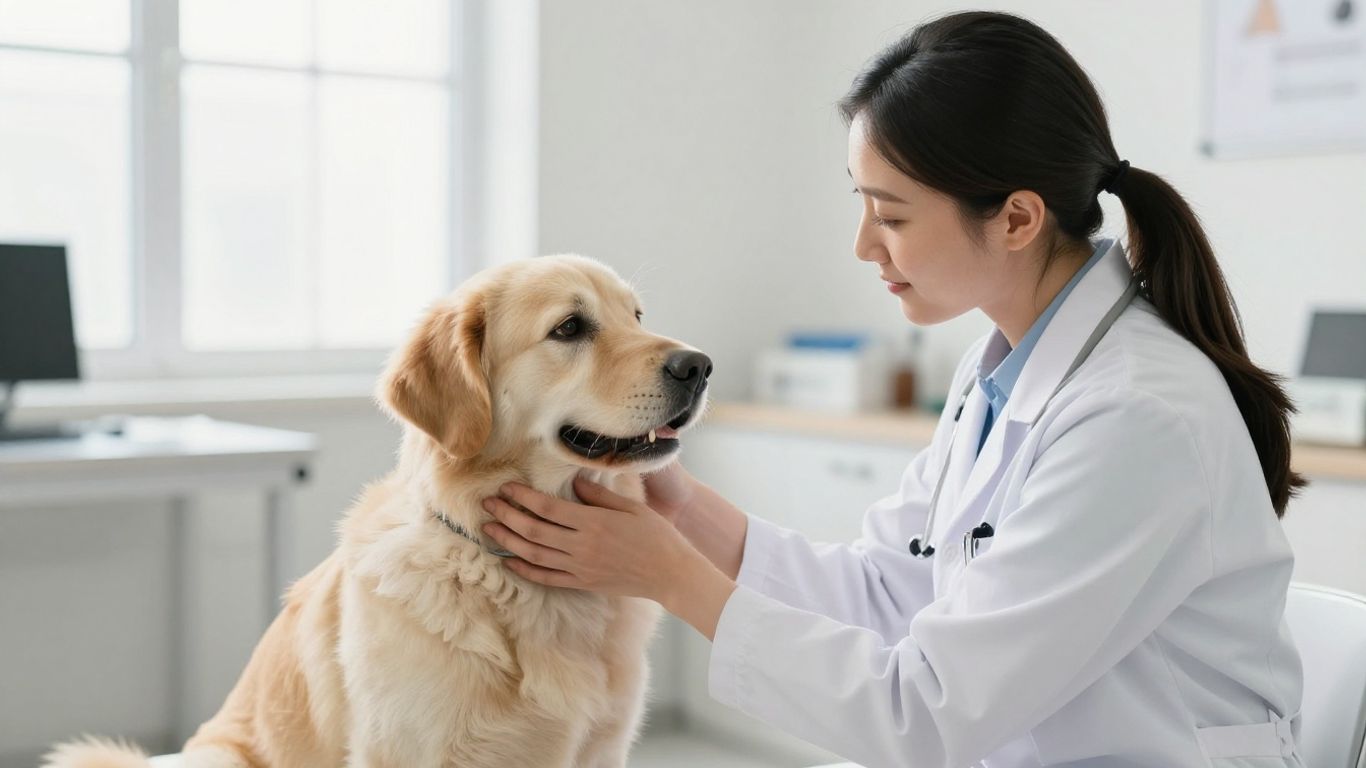
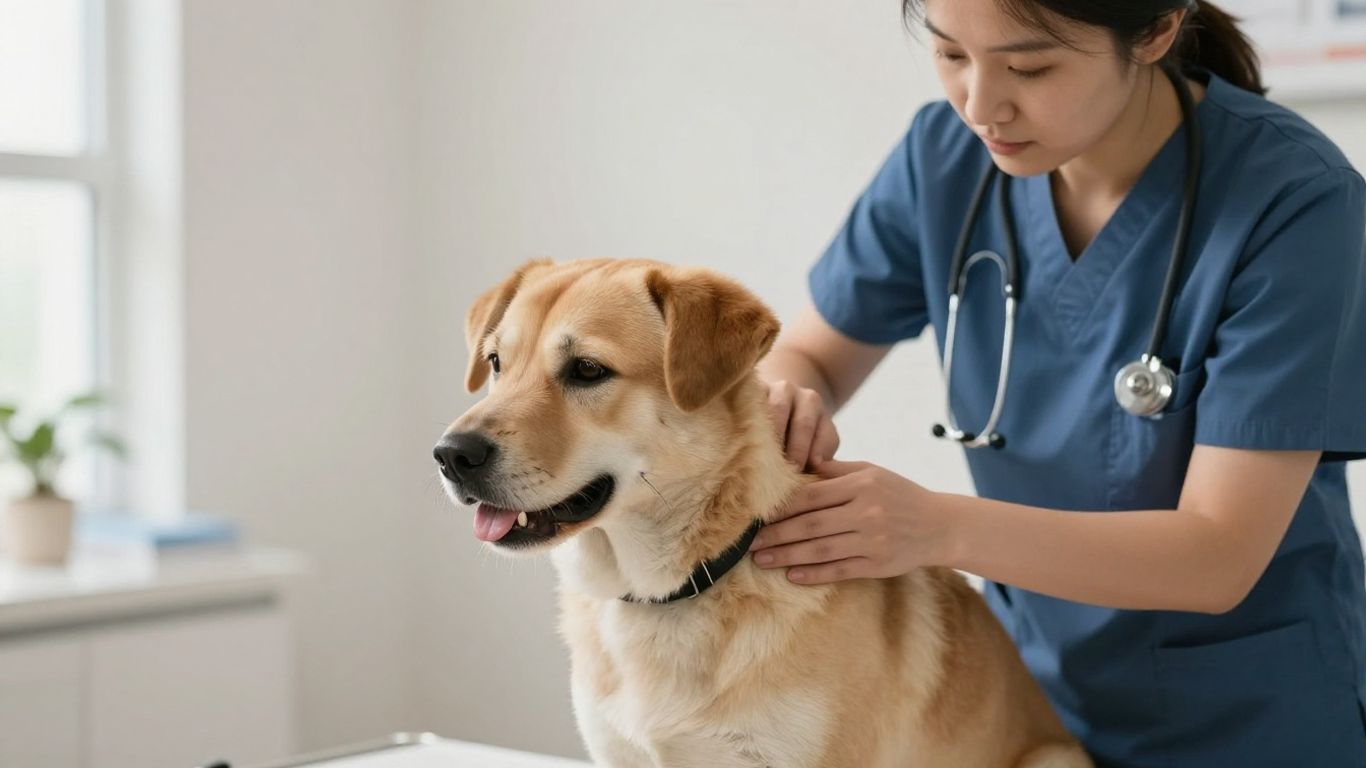
Schedule regular veterinary checkups
Routine checkups give a veterinarian an opportunity to assess a dog’s health and discuss concerns before they become more urgent. The timing may depend on age, health, and medical history, so ask what schedule is suitable for your pet. Between visits, keep observations specific rather than trying to interpret every change as a sign of cancer.
A few simple habits can make these conversations more useful:
- Notice new lumps, swelling, or changes to existing masses.
- Keep an eye on appetite, weight, energy, and usual routines.
- Record when a change began and whether it is improving or getting worse.
- Bring relevant observations and questions to veterinary appointments.
These notes can help describe what has changed without substituting for an examination. If something seems sudden or severe, contact a veterinarian promptly rather than waiting for the next routine visit.
Ask a veterinarian about breed-specific risks and screening
Ask whether your dog’s breed, age, or medical history changes what signs to watch for. Screening is not the same for every dog, and a veterinarian can explain whether a particular test is useful in your pet’s circumstances. An open conversation can help distinguish reasonable monitoring from testing that is not indicated.
Have persistent lumps, unexplained weight loss, or other changes assessed promptly
A lasting lump, unexplained weight loss, a wound that does not heal, or a sustained change in behavior deserves veterinary attention. These signs have many possible causes, but checking them can help identify the right next step. If a concern persists or worsens after an initial visit, follow up and share what has changed since then.
Conclusion
Dogs get cancer for a mix of reasons, and in many cases the precise cause is not known. Aging, inherited traits, size, and some exposures may influence risk, but none can predict an individual dog’s future with certainty. Regular checkups, practical steps to limit avoidable exposures, and timely attention to persistent changes are useful ways to support a dog’s health.
Frequently Asked Questions
Why do dogs get cancer so often?
There is no single cause. Cancer risk can be influenced by age, inherited traits, body size, and some environmental factors, while improved veterinary care can also make cases easier to detect.
Does every older dog eventually get cancer?
No. Cancer is diagnosed more often in older dogs, but many senior dogs do not develop it. Age is a risk factor, not a certainty.
Can a dog’s breed predict whether it will get cancer?
No. Some breeds have higher risk for certain cancers, but a breed pattern cannot predict an individual dog’s outcome. Dogs of any breed, including mixed-breed dogs, can develop cancer.
Does every lump on a dog mean cancer?
No. Lumps can have many causes, including noncancerous growths. A veterinarian should assess a new, persistent, or changing lump rather than relying on appearance alone.
What signs should prompt a veterinary visit?
Persistent lumps, unexplained weight loss, changes in appetite or energy, wounds that do not heal, and other lasting changes are worth discussing with a veterinarian. These signs can have causes other than cancer, too.
Can owners prevent cancer in dogs?
There is no guaranteed way to prevent cancer. Limiting avoidable exposures and supporting general health are sensible, but they cannot eliminate risk.
How often should a dog have a checkup?
The right schedule depends on the dog’s age, health, and history. Ask a veterinarian how often your individual dog should be examined and whether any screening is appropriate.


Leave a Reply