
Key Takeaways
Weight loss in a dog with cancer can have several causes, and it does not by itself show whether the cancer has progressed. A veterinarian can help identify what is changing and choose practical ways to support your dog.
- Cancer, inflammation, treatment effects, and unrelated illnesses can all affect weight and appetite.
- Track food intake, symptoms, activity, and weight to give your veterinary team a clearer picture.
- Seek prompt veterinary advice for rapid weight loss, repeated vomiting, breathing difficulty, or sudden weakness.
- Ask your veterinarian before changing food or adding supplements.
- Comfort and quality of life belong in every discussion about treatment and nutrition.
Why cancer can cause weight loss in dogs
Dog cancer weight loss can happen for more than one reason at a time. A tumor may affect eating or digestion, while illness or treatment can also change appetite and the body’s use of energy. Understanding the possible causes helps guide a useful conversation with your veterinarian, but only an examination can help determine what is happening in an individual dog.
How tumors may change appetite and metabolism
A tumor’s location can make chewing, swallowing, or digesting food uncomfortable or difficult. Cancer and other illness may also alter appetite or the way a dog’s body uses nutrients, so weight can fall even when a caregiver is offering meals regularly. A change in weight is a clue, not a diagnosis; its meaning depends on the dog’s overall health and the pattern over time.
The role of inflammation and cancer-related wasting
Some dogs lose both muscle and body fat as cancer-related illness affects the body. This pattern, sometimes called cancer cachexia, is not necessarily the same as simple underfeeding, and eating more may not fully reverse it. A veterinary team can assess body condition and muscle changes alongside appetite, weight history, and the underlying disease.
How treatment side effects can affect eating
Treatments may affect appetite or cause symptoms such as nausea, vomiting, or diarrhea. When a dog feels unwell after meals, intake may drop or the dog may become reluctant to eat. Tell the veterinary team when the change began and how it relates to treatment days; do not stop or alter prescribed treatment without their guidance. A guide to feeding dogs with cancer also describes common nutrition challenges, though your veterinarian can advise what applies to your dog.
Other health problems that may contribute to weight loss
Cancer is not the only possible explanation for a dog losing weight. Dental pain, digestive disorders, infections, medication effects, and other health problems may affect appetite or how nutrients are absorbed. The veterinarian will consider the whole picture rather than assuming that every new symptom comes from cancer.
Signs to watch for alongside weight loss
Weight changes may be gradual, so familiar routines can make small differences easier to spot. Notice whether your dog is eating, drinking, moving, and behaving as usual, and share any persistent change with the veterinary team. Other warning signs in dogs may also be worth discussing during a checkup.

Changes in appetite, thirst, or eating habits
Look for skipped meals, slower eating, trouble chewing, a new preference for certain textures, or a marked increase or decrease in thirst. These details may help the veterinarian distinguish reduced interest in food from discomfort or another problem. A review of signs linked with unexplained weight loss offers additional context, but it cannot determine the cause for your dog.
Loss of muscle, weakness, or reduced activity
A dog may lose muscle even when the change on the scale seems modest. Ribs, hips, or the spine may become more noticeable, and everyday actions such as climbing stairs or getting up may take more effort. Reduced activity can have many causes, so describe what has changed rather than trying to interpret it on your own.
Vomiting, diarrhea, coughing, or other new symptoms
New symptoms can help your veterinarian decide how quickly to examine your dog and what tests may be useful. Keep track of when symptoms occur, how often they happen, and whether they coincide with meals or medication. When several changes appear together, a short, organized record is often more useful than relying on memory at the appointment.
When weight loss needs urgent veterinary attention
Contact a veterinarian promptly if weight loss is rapid or accompanied by repeated vomiting, inability to keep water down, breathing difficulty, collapse, or sudden severe weakness. If your dog has a known cancer diagnosis, ask the veterinary team what signs they consider urgent for that specific condition. Discussions about quality of life in advanced cancer are also best held with your veterinarian, who can help interpret changes in your dog’s comfort and daily activities.
How veterinarians investigate unexplained weight loss
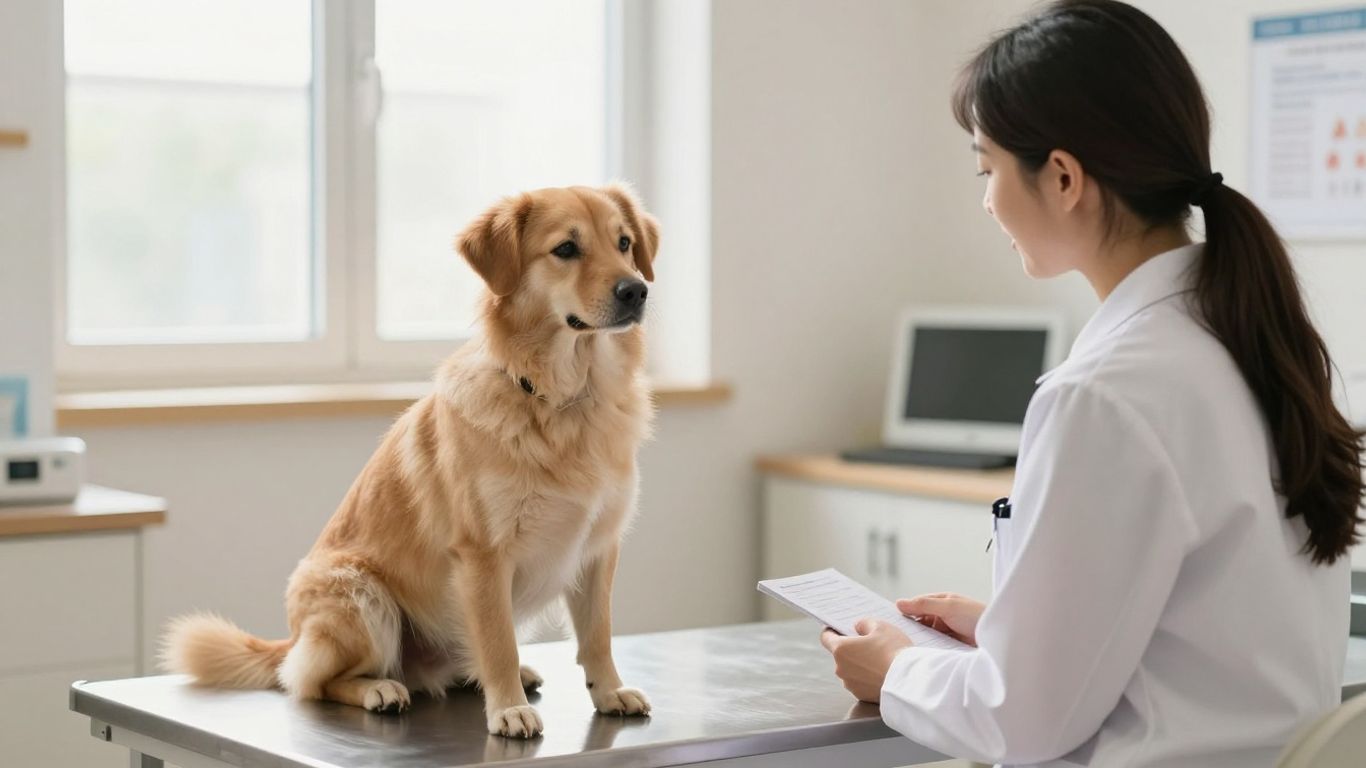
An evaluation usually begins with a detailed history and physical examination. The veterinarian will consider how quickly weight changed, what your dog eats, other symptoms, and any existing diagnosis or treatment. Depending on those findings, they may recommend laboratory tests or imaging to investigate possible causes.
What to track before the appointment
A few consistent notes can help make the visit more productive. Record your dog’s weight when you can, along with meals, treats, medication, vomiting or stool changes, thirst, and activity. A dog weight tracking guide can help you think about consistent measurements and feeding records, but follow your veterinarian’s advice if your dog needs a different monitoring plan.
Questions about cancer history, medication, and diet
Be ready to explain when the weight change began and whether it followed a medication, treatment, or change in food. Bring the names and amounts of medications and supplements, and estimate how much food your dog actually eats. Mention changes in treats and table scraps too, since small additions or missed portions can make the overall diet harder to interpret.
Common exams, lab tests, and imaging
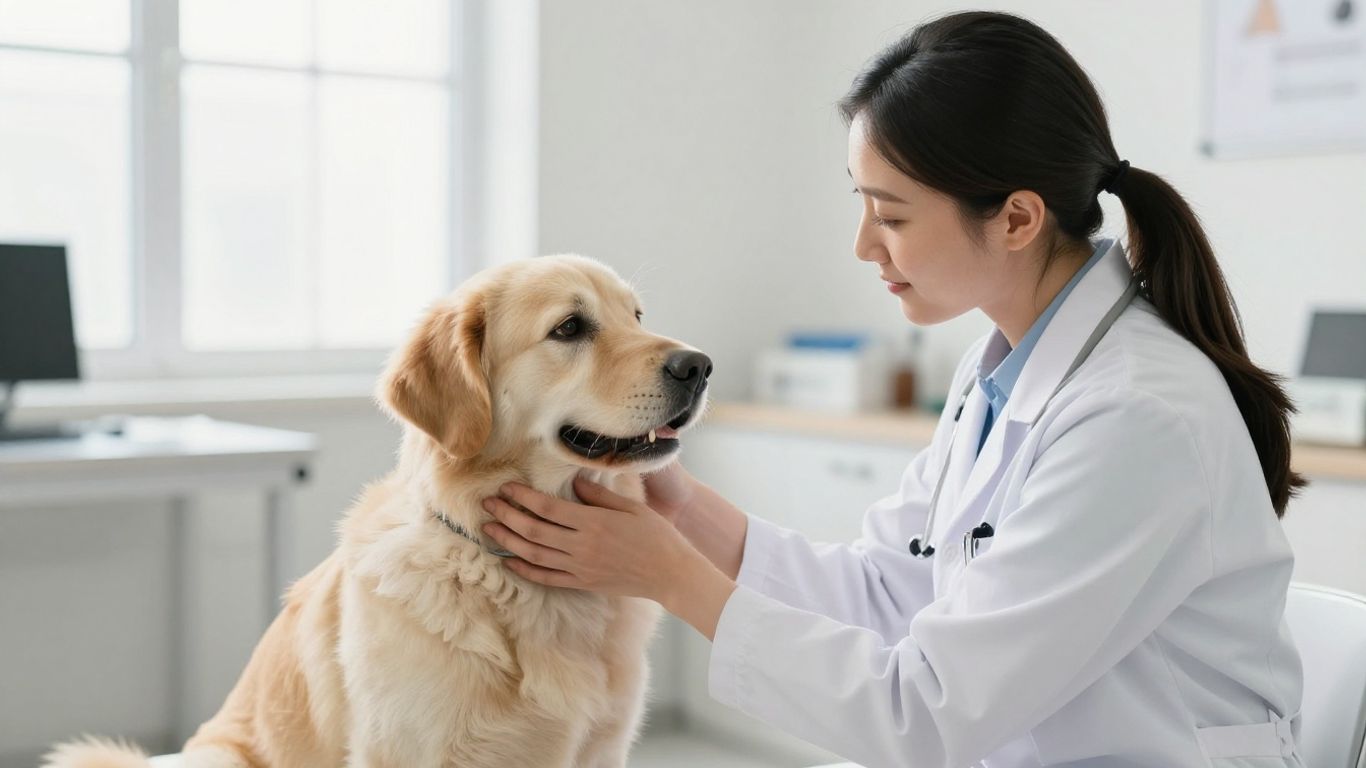
The veterinarian may assess body condition, muscle, hydration, mouth, abdomen, and other areas based on your dog’s symptoms. Blood or urine tests can help check for health changes beyond cancer, while imaging may be recommended when the examination or history points to a need for it. There is no single test plan that fits every dog, and the clinician will explain what each suggested test is meant to clarify.
Why weight loss alone cannot confirm cancer progression
A lower number on the scale does not establish that cancer has grown or spread. Appetite changes, treatment side effects, dental problems, and unrelated illness can produce similar signs. The veterinarian interprets weight alongside examination findings and any appropriate test results before discussing whether the cancer itself may have changed.
Nutrition strategies for a dog with cancer
Nutrition goals depend on the dog’s diagnosis, symptoms, usual diet, and treatment plan. Rather than making a major change based on general advice, ask the veterinary team what is appropriate and what to monitor. Their guidance can help you balance adequate intake with food your dog can comfortably eat.

Choosing an appropriate food with veterinary guidance
A suitable food is one your dog can eat and tolerate while meeting their individual nutritional needs. Ask the veterinarian whether the current diet is appropriate, whether a change makes sense, and how to transition if one is recommended. The best choice may depend on other medical conditions as well as cancer, so avoid assuming that one diet suits every dog.
Making meals more appealing when appetite is low
If interest in food fades, ask whether it is safe to warm the meal slightly, add a veterinarian-approved topping, or offer a different texture. Keep a note of what your dog accepts and whether a particular option seems to worsen symptoms. The veterinary team may also assess whether nausea, pain, or another treatable issue is making meals difficult.
Offering smaller, more frequent meals
Some dogs manage modest portions better than a large meal, especially when appetite is variable. If you try dividing the daily amount into smaller servings, keep track of the total offered and eaten so the team can judge whether intake is adequate. This is an adjustment to discuss with the veterinarian, particularly if your dog has another condition requiring a specific feeding plan.
Foods and supplements to discuss with the veterinarian first
Before adding a supplement, home-prepared food, or a new high-calorie product, check with the veterinary team. Some ingredients may be unsuitable for a dog’s health conditions or may affect prescribed treatment. Bring product labels or recipes to the appointment so the veterinarian can review the ingredients and the intended amount.
Monitoring weight and treatment response at home
Home monitoring is most useful when it is steady and simple enough to maintain. A single measurement can be affected by timing, equipment, or recent meals, so focus on the pattern rather than reacting to every small fluctuation. Share the record with your veterinary team, especially when weight continues to fall or your dog seems less comfortable.
Weighing your dog consistently
Use the same scale when possible and weigh your dog under similar conditions, such as at roughly the same time of day. For a small dog, a household scale may work; for a larger dog, your clinic can help arrange regular weigh-ins. Ask the veterinary team how often to measure, since the right interval may depend on your dog’s condition and treatment.
Keeping a record of food intake and symptoms
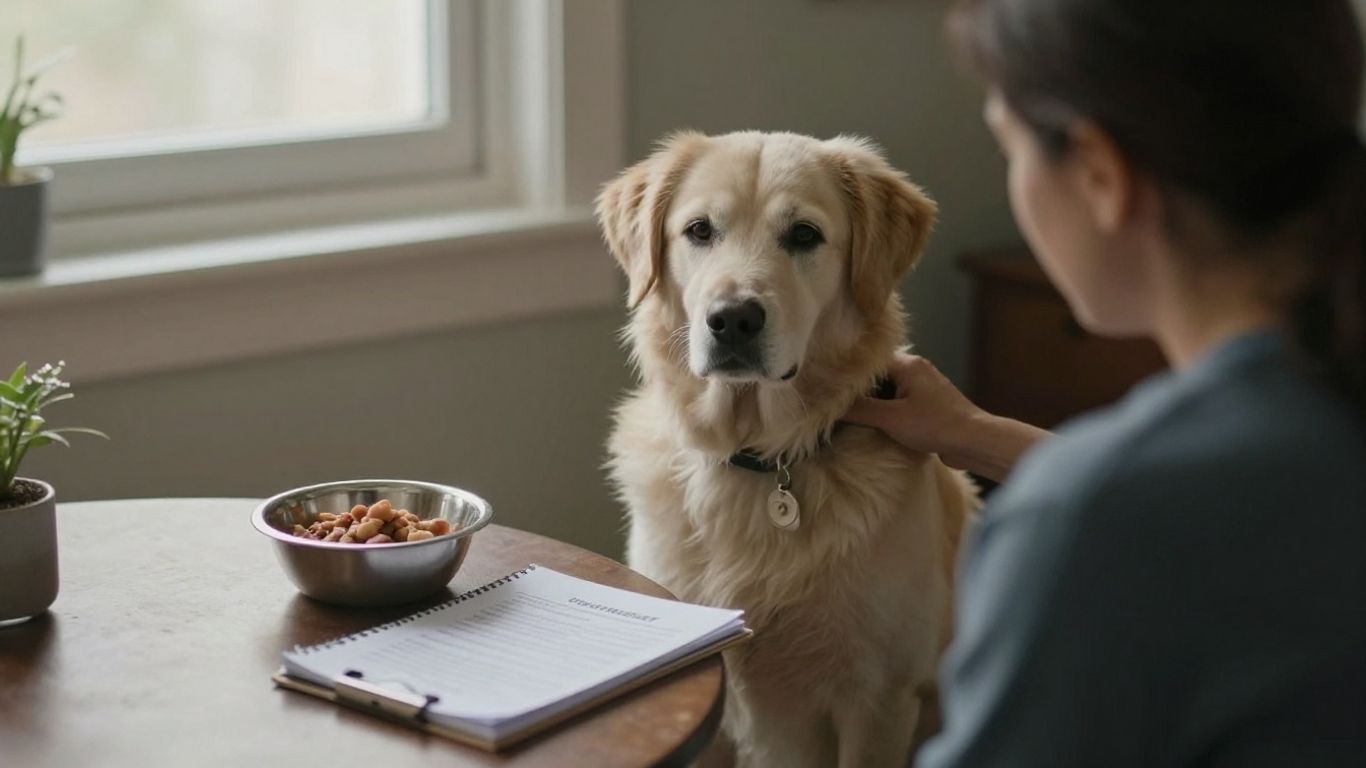
A brief daily log can show whether poor appetite is occasional or becoming a pattern. It is more helpful when it includes the amount offered and eaten, not just the name of the food. You can use a few simple prompts to keep the record consistent:
- Food and treats offered, with an estimate of how much was eaten.
- Medication or treatment timing, including any changes prescribed by the veterinarian.
- Vomiting, diarrhea, coughing, changes in thirst, or other symptoms.
- Energy, walks, sleep, and interest in familiar activities.
Review the notes every few days and bring them to appointments. This can help the veterinary team connect appetite or symptoms with treatment timing and decide whether the care plan needs reassessment.
Noting changes in strength and muscle condition
Along with weight, notice how easily your dog rises, walks, climbs, and participates in familiar routines. You can also mention if bones or muscles seem more prominent, but avoid relying on photographs or touch alone to assess body condition. A veterinarian can evaluate muscle loss and explain what changes are meaningful for your dog.
Knowing when to contact the veterinary team about a trend
Contact the clinic if your dog’s weight keeps declining, food intake drops, or new symptoms appear, even if the change seems gradual. Ask in advance what amount or duration of change should prompt a call for your dog’s particular diagnosis. A timely update may help the team decide whether your dog needs an appointment, a treatment adjustment, or additional support.
Working with your veterinarian to support comfort
Cancer care is not only about the tumor; it also includes how the dog feels and functions day to day. Regular communication gives the veterinary team a chance to respond to appetite changes, discomfort, and the practical challenges of care at home. Share what your dog still enjoys, as well as what has become difficult.
Reviewing pain, nausea, and other symptoms
A dog that avoids meals may be experiencing nausea, pain, mouth discomfort, or another symptom that needs attention. Describe what you see, when it happens, and whether it interferes with sleep or normal activities. Do not give human medications or change prescribed doses unless your veterinarian specifically directs you to do so.
Adjusting the care plan when eating becomes difficult
If your dog is eating less, tell the veterinary team rather than waiting for the next scheduled visit. They can assess possible causes and discuss appropriate options, which may include addressing symptoms or revisiting the feeding plan. Keep the conversation specific: how much your dog eats, how long the problem has lasted, and what seems to make meals easier or harder.
Balancing treatment goals with quality of life
Treatment choices can involve weighing possible benefits against side effects, travel, appetite, and the dog’s comfort. There is no single answer for every family or diagnosis; the veterinary team can explain options in light of your dog’s circumstances. Caregivers may also be managing unrelated household decisions, from inheritance tax planning to wet room design, but those topics do not determine a dog’s medical plan.
Seeking veterinary nutrition or oncology support
Ask your primary veterinarian whether a veterinary nutrition professional or veterinary oncologist could help with your dog’s particular needs. A specialist may offer another perspective on nutrition or cancer care, while your regular clinic can help coordinate ongoing monitoring. If you are also reviewing personal health information, an arthritis treatment overview is a separate resource and should not be used to guide your dog’s care.
Conclusion
Weight loss in a dog with cancer deserves attention, but it does not tell the whole story on its own. Track the changes you notice, keep your veterinary team informed, and ask for guidance before changing your dog’s food, supplements, or treatment. A thoughtful plan can focus on both medical needs and everyday comfort.
Frequently Asked Questions
Can cancer cause a dog to lose weight even if they are eating?
Yes. Cancer-related illness can affect the body’s use of nutrients, and some dogs lose muscle and fat despite continuing to eat. A veterinarian can assess whether this pattern or another cause is involved.
Does weight loss mean my dog’s cancer is getting worse?
Not necessarily. Weight loss can result from treatment effects, reduced appetite, digestive problems, or another health condition, so it cannot confirm cancer progression on its own.
How quickly should I contact a veterinarian about weight loss?
Contact your veterinarian when you notice persistent or unexplained weight loss. Seek prompt help if it is rapid or occurs with repeated vomiting, breathing difficulty, collapse, or severe weakness.
What information should I bring to the appointment?
Bring a record of weight, food and treat intake, medications, treatment dates, and new symptoms. Notes about thirst, activity, and changes in routine may also help the veterinary team.
Should I change my dog’s food after a cancer diagnosis?
Ask your veterinarian before changing the diet. The appropriate food depends on your dog’s diagnosis, other health conditions, appetite, and ability to tolerate different foods.
Are supplements safe for dogs with cancer?
Some supplements may be unsuitable or may interact with treatment or other medications. Show your veterinarian the product label and ask before giving anything new.
How can I tell if my dog is losing muscle?
You may notice more prominent bones, reduced strength, or difficulty with familiar movements, but these observations cannot replace an examination. Ask your veterinarian to assess muscle and body condition over time.

Leave a Reply