Key Takeaways
A suspicious change in a dog’s mouth deserves a veterinary examination, even when it looks like ordinary dental disease. Early assessment can clarify what is happening and help families make thoughtful decisions.
- Watch for new lumps, bleeding, bad breath, drooling, loose teeth, or trouble eating.
- A biopsy is usually needed to identify the type of growth.
- Imaging helps show whether a tumor involves bone or has spread.
- Treatment may include surgery, radiation, medication, or palliative care.
- Comfort, appetite, activity, and day-to-day quality of life should guide decisions.
What mouth cancer in dogs can look like
Mouth cancer in dogs does not have one predictable appearance. A growth may be dark or pale, smooth or irregular, small on the surface, or more extensive beneath the surrounding tissue. Because early signs can be subtle, changes that persist or worsen should not be dismissed as normal aging.

Early signs owners may notice
Some dogs first show a change in eating rather than an obvious mass. You may notice slower chewing, dropping food, favoring one side of the mouth, increased drooling, or a new reluctance to accept treats. Persistent bad breath, a swollen gum, or a tooth that suddenly becomes loose also warrants attention; this oral tumor overview describes several of these warning signs.
Warning signs that need prompt veterinary attention
Bleeding from the mouth, facial swelling, difficulty swallowing, weight loss, or pain when the jaw opens should be assessed promptly. A foul odor can occur with infection, ulceration, or trapped food, but it can also accompany a tumor. The combination of a visible lump and a declining appetite is especially concerning because discomfort may already be affecting nutrition.
How oral cancer symptoms can resemble dental disease
Periodontal disease can cause bad breath, red gums, loose teeth, drooling, and difficulty eating, so the two conditions may look alike at home. A dental cleaning may improve ordinary disease, but a persistent mass, unexplained bleeding, or swelling that returns needs a closer examination. A persistent change deserves answers, rather than repeated assumptions about the cause.
When a mouth mass is an emergency
Seek urgent veterinary care if bleeding will not stop, breathing is affected, the dog cannot swallow water, or severe swelling develops quickly. Collapse, repeated vomiting, marked weakness, or signs of uncontrolled pain also change the situation from a routine appointment to an emergency. Do not probe, cut, or squeeze the mass, and avoid giving human pain medication unless a veterinarian specifically directs you to do so.
Common types of cancer found in a dog’s mouth
Oral tumors arise from different kinds of tissue, and their behavior varies widely. A visual inspection cannot reliably distinguish a benign growth from a malignant one. The name of the tumor, its location, and whether it has entered bone or spread elsewhere all influence the next steps.
Oral melanoma and its typical behavior
Oral melanoma may appear darkly pigmented, although some lesions have little or no pigment. It can form on the gums, palate, or other areas of the mouth and may ulcerate, bleed, or become infected. Some melanomas behave aggressively, so a seemingly modest surface lesion can still require careful staging.
Squamous cell carcinoma and common locations
Squamous cell carcinoma often develops on the gums, beneath the tongue, or near the tonsils. It may look like an irritated, pink, red, thickened, or ulcerated area and can invade nearby tissue or bone. The canine OSCC guide explains why this tumor may resemble periodontal disease early on.
Fibrosarcoma and other oral tumors
Fibrosarcoma develops from connective tissue and may feel firm or appear as a slowly enlarging mass. Other malignant tumors can arise from bone, blood-vessel tissue, or other cells in the mouth. Their outward appearance is not enough to establish a diagnosis, and growth rate alone does not reliably predict behavior.
Benign growths that can look concerning
Not every mouth mass is cancer. Benign gingival growths, inflammatory swellings, cysts, and localized injuries can look alarming, particularly when they bleed after being rubbed by food. Even so, a benign appearance should not be assumed from a photograph; examination and, when indicated, tissue sampling provide a safer answer.
How veterinarians diagnose cancer in a dog’s mouth
Diagnosis usually combines a careful examination with tissue testing and imaging. The veterinarian will consider the dog’s age, symptoms, general health, and the mass’s exact position. The goal is not only to name the lesion but also to understand how far it extends and what treatment could realistically achieve.
Physical and oral examinations
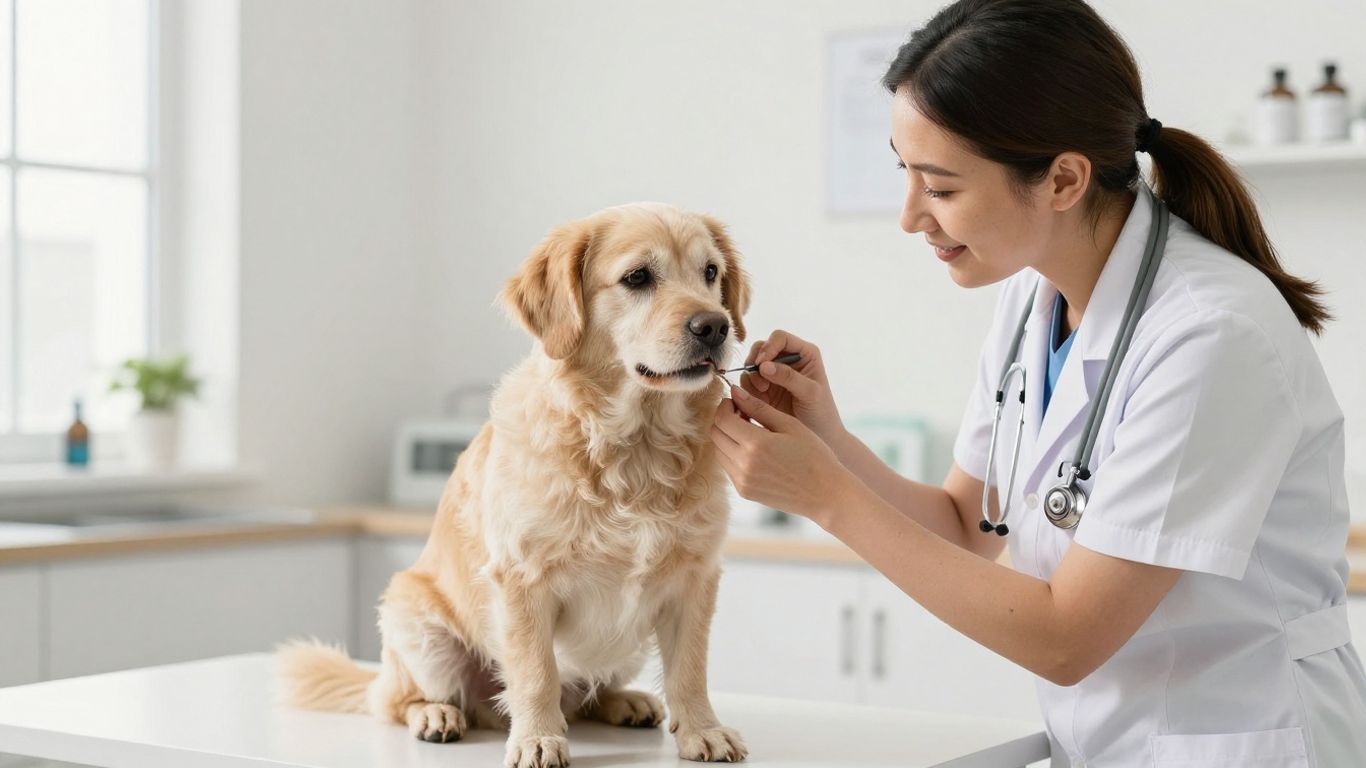
The veterinarian may inspect the gums, tongue, palate, teeth, jaw, and nearby lymph nodes. Some dogs tolerate a brief look while awake, but a complete examination may require sedation or anesthesia, especially when the mass is painful or sits far back in the mouth. Notes about appetite, chewing, drooling, bleeding, and changes in behavior can make this first assessment more useful.
Biopsy methods and what pathology reveals
A biopsy removes a small portion of the mass, or sometimes the entire lesion, for microscopic analysis. Pathology can identify the tumor type, indicate whether it is malignant, and sometimes describe features associated with its likely behavior. Ask whether the sample will also be assessed for margins, since that information can matter when surgery has already taken place.
Dental X-rays and advanced imaging
Dental radiographs can reveal damage or invasion involving the jaw that is hidden beneath the gum. CT or other advanced imaging may provide a more complete map for surgical planning and help evaluate the chest or other areas when spread is a concern. Imaging does not replace biopsy, but it can show the practical boundaries of the problem.
Blood tests and pre-anesthetic screening
Blood tests help assess organ function, blood-cell counts, hydration, and other factors relevant to anesthesia or treatment. They do not generally prove that a mouth mass is cancer. Instead, they help the veterinary team identify risks, tailor anesthesia, and decide whether additional stabilization is needed before a procedure.
Understanding staging and treatment decisions
Treatment is built around the tumor’s biology, its physical extent, and the dog’s overall condition. Two masses that look similar may lead to different recommendations after imaging and pathology. A clear discussion should cover the goal of treatment, the likely burden on the dog, and what comfort-focused care would look like if curative treatment is not suitable.
Why tumor size and location matter
A tumor near the front of the mouth may be easier to see and remove than one beneath the tongue, beside the tonsils, or close to major structures. Size matters, but depth matters too: a lesion that appears small may extend into bone or neighboring tissue. These details affect whether complete removal is possible and what function may remain afterward.
Checking nearby lymph nodes and possible spread
The veterinarian may examine or sample regional lymph nodes and recommend chest imaging or other staging tests. Enlarged nodes can reflect inflammation as well as cancer, so their size alone is not definitive. Staging helps distinguish a local treatment plan from one that should address disease elsewhere in the body.
Surgery, margins, and reconstructive considerations
Surgery may offer the best local control for some tumors, but complete removal can require taking a margin of apparently normal tissue. When the jaw is involved, the discussion may include partial jaw surgery, healing, appearance, chewing ability, and the possibility of reconstructive support. A surgeon should explain both the intended benefit and the limits before consent.
Radiation, chemotherapy, and immunotherapy
Depending on tumor type and stage, radiation or systemic medication may be recommended alone, after surgery, or as a palliative option. The expected response, schedule, side effects, travel requirements, and monitoring needs vary. Ask the veterinary team which outcome each treatment is intended to pursue: longer control, reduction of symptoms, or improved comfort.

When referral to a veterinary oncologist makes sense
Referral can be useful when the diagnosis is uncommon, surgery would be complex, staging is uncertain, or several treatment paths are reasonable. An oncologist can review pathology and imaging alongside the primary veterinarian and help compare goals. Referral is also appropriate when a family wants a second opinion, even if the eventual choice is supportive care.
What recovery and supportive care may involve
Recovery depends on the procedure, the location of the lesion, and the dog’s baseline health. Some dogs return to eating quickly, while others need a gradual plan and close pain control. Written instructions are valuable because mouth wounds can be difficult for owners to inspect.
Managing pain, swelling, and inflammation
Use only medications prescribed or approved by the veterinary team, following the dose and schedule exactly. Swelling, drooling, and mild blood-tinged saliva may occur after oral procedures, but worsening pain, bright-red bleeding, or sudden difficulty breathing is not something to watch casually. Keep activity calm while the mouth heals and call if the dog seems unable to settle.
Feeding changes after oral procedures
Soft food, smaller meals, or a temporary change in feeding method may make eating easier. Follow the surgeon’s instructions about texture and temperature, and monitor both food and water intake. If the dog repeatedly approaches food but cannot eat, contact the clinic rather than assuming the problem is stubbornness.
Dental hygiene and wound-care precautions
Do not brush the surgical area or offer hard chews unless the veterinarian says it is safe. Preventing rubbing and contamination can protect healing tissue. Once the mouth has recovered, the team may recommend a gentle dental-care routine suited to the remaining teeth and the dog’s tolerance.
Monitoring for infection or recurrence
At home, look for increasing odor, discharge, swelling, feverish behavior, worsening appetite, or a return of bleeding. A simple daily note about eating, drinking, medications, and energy can reveal gradual changes. Recurrence is not always visible at first, so a normal-looking surface does not eliminate the need for scheduled checks.
Follow-up visits and repeat imaging
Follow-up appointments allow the veterinarian to assess healing, review pathology, remove sutures if needed, and adjust medication. Repeat imaging may be recommended according to tumor type and the original staging results. Keep these visits even when the dog seems comfortable, since early changes can be easier to address.
Prognosis and quality-of-life considerations
A prognosis is an informed estimate, not a promise. It depends on the tumor’s type, grade, location, size, margins, and evidence of spread, as well as the dog’s response to treatment. Families often find it easier to make decisions when they define what a good day looks like before treatment begins.
How tumor type affects outlook
Some tumors are more locally invasive, while others have a greater tendency to spread. A pathology report may provide clues about aggressiveness, but the report must be interpreted alongside imaging and the surgical result. The mouth cancer overview is a useful general reading starting point, though an individual dog’s diagnosis requires veterinary interpretation.
Factors that influence survival time
Survival time can be influenced by the completeness of removal, lymph-node findings, distant spread, treatment response, and the dog’s ability to maintain nutrition. Age and unrelated illnesses also affect which options are practical. Statistics from groups of dogs cannot predict exactly how one patient will feel or respond.
Signs a dog may be struggling
Reduced appetite, persistent pain, inability to rest, repeated bleeding, breathing changes, and marked withdrawal can signal declining comfort. So can weight loss, dehydration, loss of interest in familiar activities, or more bad days than good ones. Report changes early; adjustments in medication or feeding support may help even when the cancer itself cannot be cured.
Using a quality-of-life assessment at home
A written record can make difficult patterns more visible. Consider rating appetite, hydration, comfort, mobility, interaction, sleep, and enjoyment each day, using the same simple scale. Share the record with the veterinarian, and include notes about what the dog can still do happily rather than focusing only on symptoms.
Preparing for veterinary appointments and treatment costs
Preparation helps turn a frightening appointment into a more manageable conversation. Bring observations from home, not just a description of the mass, because changes in eating and behavior may guide urgency. It is also reasonable to ask for an estimate in stages: diagnosis first, then treatment, then follow-up care.
What information and photos to bring
Write down when the change began, whether it has grown, and any episodes of bleeding, drooling, coughing, or food refusal. Photos taken in similar lighting can help document progression, but do not delay care while trying to obtain a perfect image. A medication list, prior dental records, and notes on appetite and weight are useful as well.
Questions to ask about diagnosis and options
Ask what the veterinarian knows now, what remains uncertain, and which test would change the treatment recommendation. Clarify whether sedation, biopsy, dental radiographs, CT, lymph-node sampling, or chest imaging is advised. If you are researching a clinic’s public information and local visibility, a local search guide may be relevant to the broader question of how practices communicate online, but it is not a substitute for veterinary advice.
Comparing treatment benefits, risks, and limitations
Ask how each option may affect comfort, eating, appearance, recovery time, and future monitoring. A useful comparison should include the chance of local control, possible complications, expected side effects, and what happens if the treatment is stopped. The right choice is individual; it may be aggressive treatment, a less intensive plan, or comfort care.
Planning for ongoing care and expenses
Costs may include consultations, anesthesia, biopsy, imaging, surgery, pathology, medications, hospitalization, and repeat examinations. Request a written estimate and ask which items are optional, time-sensitive, or likely to recur. For general pet-wellness reading, an at-home pet comfort guide can offer lifestyle context, while treatment budgeting should remain a conversation with your veterinary team.
Conclusion
A new mouth mass, unexplained bleeding, or trouble eating should prompt a veterinary examination rather than a guess based on appearance alone. Biopsy, imaging, and staging can clarify the diagnosis and make treatment choices more concrete, while careful pain control and quality-of-life monitoring remain central at every stage.
Frequently Asked Questions
What are the first signs of mouth cancer in a dog?
Common early clues include persistent bad breath, drooling, a new lump, bleeding, loose teeth, difficulty chewing, or a change in appetite. These signs can also occur with dental disease, so an examination is needed.
Can a dog have a mouth tumor without obvious pain?
Yes. Some dogs hide discomfort or compensate while eating. Pain may become more apparent as a growth enlarges or involves deeper tissue, which is why a quiet dog can still need prompt assessment.
Are all mouth masses in dogs cancerous?
No. Some masses are benign, inflammatory, traumatic, or cystic. Appearance alone cannot reliably distinguish them from cancer, and tissue sampling may be needed.
How is a mouth tumor diagnosed?
A veterinarian may perform an oral examination, recommend sedation or anesthesia, take a biopsy, and use dental X-rays or advanced imaging. Blood tests are commonly used to assess general health and procedural risk.
What treatments are available for canine mouth cancer?
Treatment may involve surgery, radiation, systemic medication, or a combination. In some cases, supportive or palliative care is the kindest option, depending on the tumor and the dog’s health.
How can I tell whether my dog’s quality of life is declining?
Track comfort, appetite, hydration, sleep, mobility, interaction, and enjoyment. A pattern of persistent distress, inability to eat, or more bad days than good should be discussed with a veterinarian.
Should I wait to see whether a mouth lump disappears?
A small lump can still be significant, and waiting may allow a treatable problem to progress. Arrange a veterinary examination promptly, especially if there is bleeding, rapid growth, pain, facial swelling, or difficulty eating.





Leave a Reply